2026 Best Light Bar Options for Global Buyers?
In the world of outdoor adventures, a quality Light Bar can make all the difference. Whether you're off-roading, camping, or working in low-light conditions, choosing the right Light Bar enhances safety and visibility. With many brands and models available, selecting the best option can be overwhelming.
This guide aims to help global buyers navigate these choices. Our focus will be on the most reliable and high-performing Light Bars available for 2026. We will delve into various features, including brightness, durability, and ease of installation. These elements significantly impact the overall value and user experience.
However, not all Light Bars are created equal. Some may promise high performance but fail in real-world usage. Reflecting on the options is vital to make an informed choice. Understanding personal needs and preferences is crucial in this process. As we explore the best Light Bar options, it's important to consider both user feedback and expert reviews.
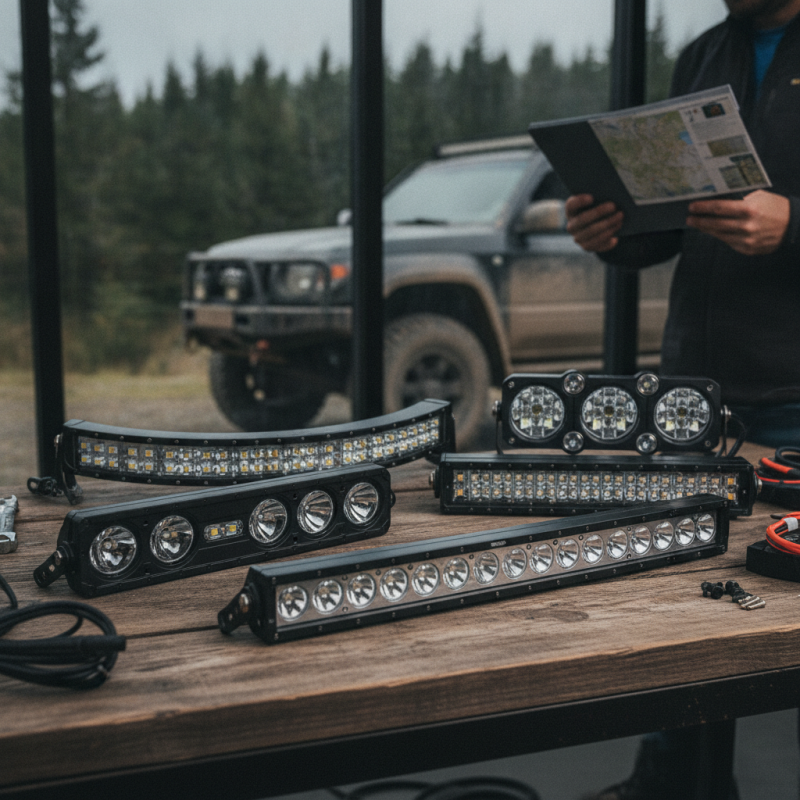
2026 Global Market Trends in Light Bars for Automotive Use
The automotive light bar market shows promising trends for 2026. According to market analysis by industry experts, the demand for LED light bars is projected to grow at a CAGR of 12% over the next five years. This growth reflects the increasing preference for energy-efficient lighting solutions in vehicles. Consumers are seeking products that offer not only durability but also enhanced visibility during nighttime driving.
Key market drivers include rising safety standards and the demand for off-road vehicles. A report from a leading automotive research firm highlighted that nearly 40% of consumers consider lighting a crucial factor when purchasing a vehicle. This emphasizes the need for manufacturers to innovate frequently. However, many producers face challenges due to fluctuating raw material costs and intense competition.
Moreover, the global market dynamics show regional variations. North America leads in light bar adoption, attributed to off-road culture and outdoor activities. Conversely, the Asia-Pacific market is expanding rapidly. Factors such as urbanization and rising disposable incomes contribute to this trend. The potential for market demand is high, but producers must adapt to changing consumer preferences and regulatory environments efficiently.
Comparative Analysis of LED vs. Halogen Light Bars in 2026
In 2026, the debate between LED and halogen light bars continues to escalate. LED bars are known for high efficiency. They consume less power and offer brighter illumination. A recent industry report indicates that LEDs can provide up to 90% more energy efficiency than halogen options. This shift highlights the growing preference for sustainability among consumers.
However, halogen lights have their advantages. They provide a warm color temperature, creating a familiar glow. This appeal remains significant, especially for specific applications like vintage vehicles. Yet, halogen bars generally require more frequent replacement, leading to higher long-term costs. According to market research, radiance levels typically decrease faster in halogen systems, causing users to rethink longevity.
The choice between the two often boils down to personal preference and application needs. While LEDs excel in durability and low energy consumption, halogens maintain a strong user base due to warmth and familiarity. Buyers should consider these factors closely. Doing so will enhance the experience with light bars, leading to informed purchasing decisions that align with their usage requirements.
Key Features Driving Consumer Choice in Light Bars Worldwide
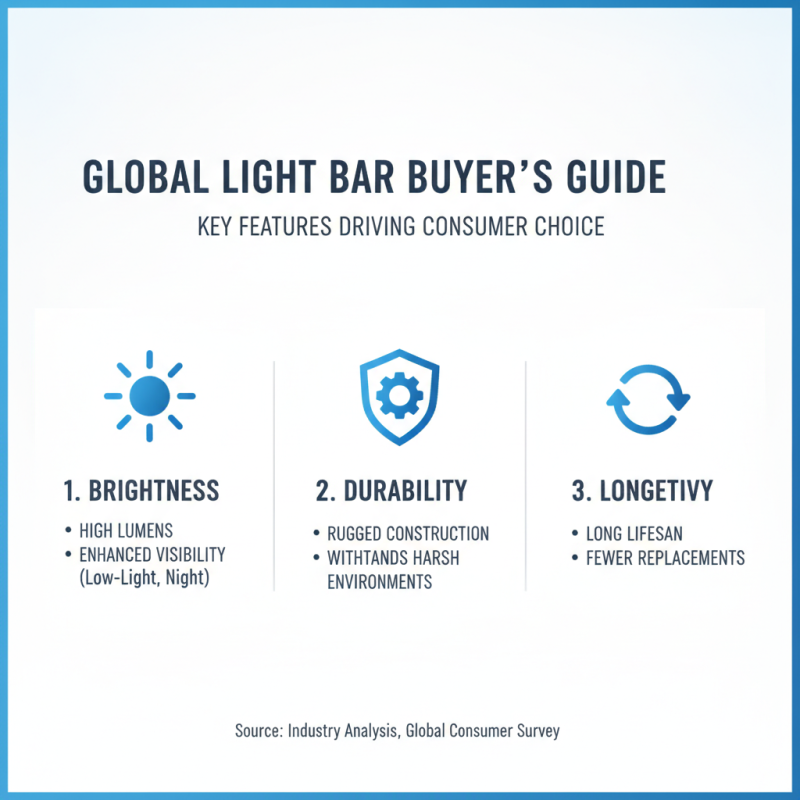
When selecting light bars, consumers prioritize several key features that influence their choices globally. Brightness plays a significant role in decision-making. High lumens guarantee visibility in low-light conditions, which appeals to outdoor enthusiasts and professional drivers alike. A rugged construction is also crucial, ensuring the product withstands harsh environments. Buyers often look for durability to avoid frequent replacements.
Energy efficiency is another vital feature driving consumer choice. Light bars with low power consumption are more appealing, especially to those who use them for extended periods. Additionally, the variety of beam patterns available allows consumers to select light bars suited for their specific needs. Some may desire wider beams for broader coverage, while others prefer focused beams for distant visibility.
Aesthetic appeal shouldn't be overlooked. Many consumers seek stylish designs that complement their vehicles. The trend towards customizable options, like color-changing lights, shows the growing desire for personal expression. However, it raises questions about practicality. Buyers must consider whether such features enhance functionality or simply serve as novelties. Balancing performance with visual appeal is an ongoing challenge for consumers.
Top Brands and Their Innovations in Light Bar Technology for 2026
In 2026, light bar technology is evolving rapidly. Brands are introducing innovative features to enhance safety and performance. Focus is shifting towards energy efficiency. Many products now utilize LED technology to reduce power consumption. This trend appeals to eco-conscious consumers. Enhanced brightness remains a key selling point. Users seek efficient lighting for off-road adventures or emergency situations.
Smart features are becoming more common. Integrated sensors can adjust brightness based on ambient light. Remote controls offer greater convenience for users. Some models even support smartphone connectivity. These advancements enhance the user experience but raise questions about reliability. Can these technologies withstand harsh conditions?
Durability must not be overlooked. Many products are tested against extreme weather and rugged environments. However, some still fall short. Buyers should research thoroughly before purchase. Reviews from current users provide valuable insights. It's essential to balance innovation with proven performance in light bar choices.
Safety and Regulatory Standards Impacting Light Bar Selection Globally
When selecting light bars, safety and regulatory standards are crucial. Countries often have specific requirements. For instance, the SAE (Society of Automotive Engineers) has set standards for lighting equipment, focusing on visibility and signaling. In Europe, the ECE regulations govern these aspects, ensuring products are safe for public use. Failure to comply can result in recalls or fines.
Data from the Global Lighting Industry Report indicates that over 60% of consumers consider safety certifications as a deciding factor when purchasing lighting products. This highlights the importance of adhering to regulations. Light bars without proper certification pose risks. They may not perform adequately in critical situations like emergencies.
Different regions may have varying standards that impact design and functionality. In North America, rugged terrain requires more durable solutions. In contrast, European markets often prioritize energy efficiency due to stricter environmental policies. It’s essential for manufacturers to balance compliance with innovation. Continuous awareness of evolving regulations is necessary for long-term success in the global market.
2026 Best Light Bar Options for Global Buyers
| Light Bar Type |
Lumens Output |
Length (inches) |
Beam Pattern |
Water Resistance Rating |
Certifications |
| LED Light Bar |
5000 |
24 |
Flood |
IP67 |
CE, RoHS |
| Halogen Light Bar |
3000 |
18 |
Spot |
IP65 |
DOT, SAE |
| Work Light Bar |
4000 |
30 |
Combo |
IP68 |
EMC, E-Mark |
| Off-Road Light Bar |
6000 |
36 |
Combo |
IP69K |
ISO 9001 |