2026 Top Automotive Led Lights for Global Buyers Trends?
As the automotive industry advances, the demand for innovative Automotive LED Lights continues to grow. These lights enhance vehicle safety and improve aesthetics. With the global market shifting towards sustainable solutions, LED technology stands out for its efficiency and longevity. Buyers are increasingly considering these factors when choosing the best lighting options for their vehicles.
In 2026, trends indicate a significant transformation in the design and functionality of Automotive LED Lights. Manufacturers are focusing on brighter, more adaptable lighting solutions. This shift caters not only to regular consumers but also to those interested in high-performance vehicles. However, the challenge lies in balancing advanced technology with affordability and widespread availability.
Understanding these trends is crucial for global buyers. The market is crowded with various options, each promising unique benefits. Not all products meet the high standards of quality and reliability needed. Therefore, careful evaluation is necessary. Buyers must consider not just the features but also the brand's reputation in the automotive lighting sector.
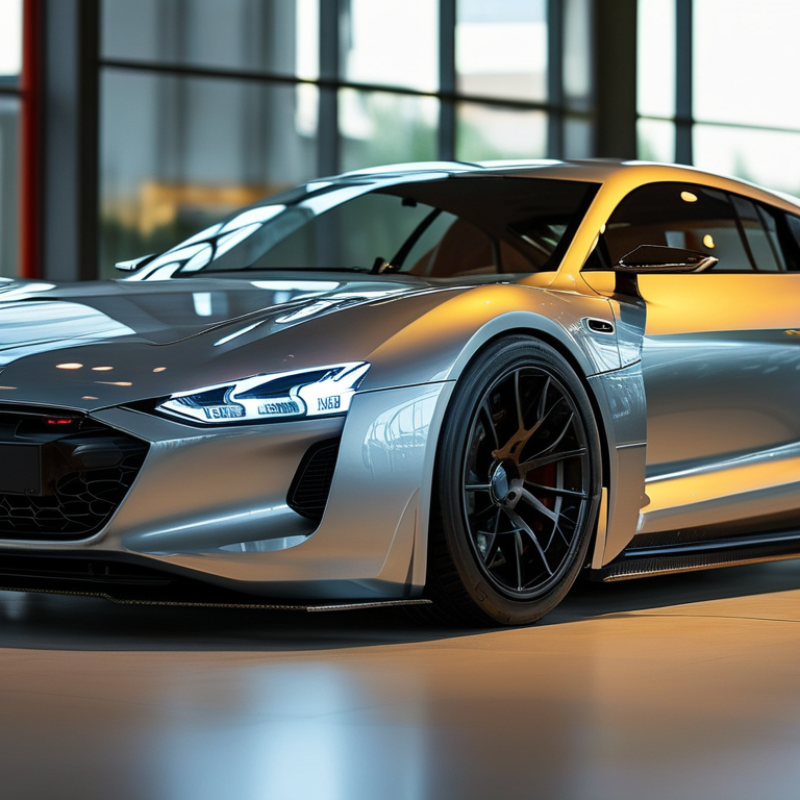
Trends in Automotive LED Lighting Technology for 2026
As we delve into the trends of automotive LED lighting technology for 2026, several innovations stand out. Advanced materials are paving the way for lightweight designs, making vehicles more efficient. Flexible LED circuits allow for creative lighting arrangements that enhance aesthetics. The shift toward adaptive lighting systems also improves safety by adjusting brightness based on road conditions.
Tips: Consider how LED lights can serve dual purposes. They enhance the design and increase safety. It’s vital to stay updated with regulations. Changes can impact which technologies are adopted.
Sustainable practices are gaining traction. Manufacturers focus on energy efficiency to reduce carbon footprints. Innovative recycling methods for old LED lights are becoming more common. Reflecting on manufacturing processes may lead to improvements. Not every innovation will meet expectations. This requires continuous evaluation and adaptation in designs.
Market Demand for LED Lights in the Global Automotive Industry
The automotive industry is experiencing a notable shift towards LED lighting. This trend is fueled by the growing demand for energy-efficient solutions. Electric vehicles (EVs) are leading this charge. They require innovative lighting technologies to enhance visibility while conserving battery life.
Manufacturers are adapting to market needs. They are developing LED lights that are not only brighter but also more durable. These lights can withstand extreme weather conditions. In addition, they offer longer lifespans, reducing the need for frequent replacements. However, the initial cost can be a barrier for some buyers.
Tip: Consider the total cost of ownership when choosing LED lights. While the upfront costs may be higher, the long-term savings on energy and maintenance can justify the investment.
Consumer preferences are shifting. Buyers now seek customizable options that fit unique vehicle designs. This poses a challenge for manufacturers. They must balance innovation with practicality. There is also a need for transparency about sustainability practices in production.
Tip: Keep an eye on advancements in LED technology. Staying informed can help you make better purchasing decisions that align with your values.
Key Players and Innovations in Automotive LED Lighting
The automotive LED lighting sector is evolving rapidly. Innovations are emerging in design and functionality. Key players focus on improved energy efficiency and lifespan of LED lights. These advancements help reduce vehicle emissions and enhance safety.
Recent trends highlight the integration of smart technologies in automotive lighting. Features like adaptive lighting systems adjust based on driving conditions. Such innovations not only increase visibility but also enhance driver confidence. However, challenges remain in standardizing these technologies across different regions.
User feedback on lighting effectiveness is crucial. Many drivers express a desire for brighter, more adaptable lights. Some still struggle with excessive glare from LED beams. Continued dialogue between manufacturers and consumers will drive improvements. The future of automotive LED lighting relies on collaboration, creativity, and addressing these real-world issues.
2026 Trends in Automotive LED Lighting: Global Market Insights
This chart illustrates the projected growth in the automotive LED lighting market across different regions by 2026, highlighting key trends and innovations shaping the industry.
Sustainability and Energy Efficiency in Automotive LED Solutions
As the automotive industry shifts towards greener solutions, the role of LED lighting cannot be overlooked. A report from MarketsandMarkets highlights that the global automotive LED market is expected to reach $36 billion by 2026, reflecting a significant demand for sustainable technologies. This growth aligns with consumer preferences for energy-efficient products. Automakers are increasingly investing in LED technologies that reduce energy consumption, thus lowering carbon footprints.
Energy efficiency is critical in this evolution. A comparison study by the Department of Energy suggests that replacing traditional halogen lights with LED systems can enhance energy efficiency by up to 85%. This transition does require careful planning. The production of LEDs still poses challenges, particularly concerning the materials used. Rare materials may affect sustainability if not sourced responsibly.
The advantages of LEDs extend beyond mere energy savings. They contribute to better visibility and safety on the road. However, companies must continuously reflect on the lifecycle of these products. Are the components fully recyclable? The industry faces the task of ensuring that the benefits of LEDs do not come at the expense of environmental integrity. The shift towards sustainable solutions in automotive LED lighting is both promising and complex.
Future Predictions for LED Lighting in the Automotive Sector
The automotive lighting sector is poised for significant evolution in the coming years. According to a recent market report, the global automotive LED lighting market is expected to grow by over 20% annually through 2026. This surge reflects a shift in consumer preferences toward energy-efficient and durable lighting solutions. LED lights offer longer lifespans and consume less energy compared to traditional options. However, there are challenges in terms of cost and technology adaptation that manufacturers face.
As vehicles become more technologically advanced, the demand for adaptive LED lighting will rise. Predictive analytics in this area suggest that by 2026, about 75% of new cars will feature smart lighting systems. This integration enhances safety and improves driving experiences. Yet, the industry must navigate issues like the high upfront investment in R&D and the need for extensive testing protocols.
Additionally, sustainability in production processes is becoming a focal point. Reports indicate an increasing number of automakers are considering eco-friendly materials in LED manufacturing. Despite this, inconsistencies in sourcing and recycling processes remain a concern. The path forward is complex and filled with hurdles. Balancing innovation with environmental responsibility is essential for future growth in automotive lighting.
2026 Top Automotive Led Lights for Global Buyers Trends
| LED Type |
Color Temperature (K) |
Lumen Output |
Lifespan (Hours) |
Market Share (%) |
Trends |
| Headlights |
6000 |
1200 |
50000 |
35% |
Increasing adoption in luxury vehicles |
| Taillights |
3000 |
800 |
40000 |
27% |
Focus on adaptive lighting technology |
| Interior Lights |
5000 |
600 |
30000 |
15% |
Personalization trends in vehicle interior design |
| Fog Lights |
4000 |
1000 |
25000 |
10% |
Growth in off-road vehicle segments |
| Daytime Running Lights |
6500 |
300 |
60000 |
13% |
Increased emphasis on vehicle visibility |