2026 Top Automotive Led Lights Trends for Global Buyers?
As the automotive industry evolves, the demand for innovative solutions has surged. Automotive LED lights are at the forefront of this transformation. John Smith, a leading expert in automotive lighting technology, states, "The future of Automotive LED Lights lies in efficiency and sustainability." This perspective highlights the importance of advancements in this field.
In 2026, we anticipate significant trends shaping the market. The shift towards energy-efficient lighting solutions has never been more crucial. Automotive LED Lights are not only eco-friendly but also enhance vehicle aesthetics and safety. Companies are investing in designs that integrate seamlessly with modern vehicles. However, challenges persist, such as manufacturing costs and the need for consumer education.
Staying informed about these trends is vital for global buyers. Understanding market dynamics can lead to better purchasing decisions. The innovations in Automotive LED Lights reflect a commitment to quality and performance. Nevertheless, buyers must remain cautious. Market saturation and varying quality can complicate choices. It’s essential to prioritize reliability and durability when selecting lighting solutions.
Emerging Technologies in Automotive LED Lighting for 2026
The automotive lighting sector is rapidly evolving, with LED technology leading the way. In 2026, advancements in automotive LED lighting are expected to significantly impact designs and functionality. Reports indicate that the global automotive LED market could reach $60 billion by 2026, demonstrating a compound annual growth rate (CAGR) of over 10%.
One notable trend is the integration of smart technology into LED systems. These systems may include adaptive headlights that adjust automatically based on road conditions and vehicle speed. Additionally, organic LED (OLED) technology is gaining traction for its potential to provide flexible and thinner designs. This could revolutionize tail light aesthetics and improve vehicle visibility.
However, the shift to advanced LED technology is not without challenges. The cost of implementation remains a concern for many manufacturers. Furthermore, achieving a balance between energy efficiency and high performance is a continuous area of research. Emerging countries may lag in adopting these technologies due to budget constraints, yet the demand for improved lighting solutions persists globally.
2026 Top Automotive LED Lights Trends for Global Buyers
This chart illustrates the projected growth trends in key automotive LED lighting technologies by 2026. The data reflects the increasing adoption of various LED lighting technologies within the automotive industry.
Sustainable and Eco-Friendly Practices in LED Light Manufacturing
As the automotive industry evolves, the focus on sustainable and eco-friendly practices in LED light manufacturing is becoming a priority. According to a recent report by the International Energy Agency, LED lights consume 75% less energy than traditional bulbs. This shift helps reduce carbon footprints, making it a crucial aspect for manufacturers. They are now investing in sustainable materials and energy-efficient processes, ensuring their products align with global environmental goals.
Many companies are seeking certifications for their manufacturing processes. This trend not only fulfills regulatory standards but also appeals to environmentally conscious consumers. The market for eco-friendly lighting solutions is expected to grow, highlighting the need for innovation in this sector.
**Tip:** When choosing LED lights, look for products with energy efficiency certifications. This ensures you are supporting manufacturers committed to sustainable practices.
Despite the progress, challenges remain. Some LED lights still contain harmful substances that complicate recycling processes. Additionally, not all manufacturers prioritize sustainability equally. Researching product origins can be beneficial.
**Tip:** Verify the supply chain of your chosen products. Transparency often indicates a commitment to eco-friendliness.
By prioritizing sustainability, the automotive LED light industry can foster a greener future. Focusing on continuous improvement will be vital in addressing existing obstacles.
Innovations in LED Designs: Enhancing Aesthetics and Functionality
The automotive lighting industry is evolving rapidly, with LED designs leading the way. Innovations in this field emphasize both aesthetics and functionality. Sleek, modern designs are transforming how vehicles look. Manufacturers explore various shapes and sizes, allowing for unique styling options. These advancements not only create striking visual appeal but also enhance visibility on the road.
Functionality remains crucial for LED lights. Technological advancements allow for improved brightness and energy efficiency. New designs include adaptive lighting systems that adjust based on driving conditions. However, the focus on innovation raises questions about durability and maintenance. Consumers must consider long-term performance when choosing LED options. While many designs look impressive, practical reliability should not be overlooked. Balancing aesthetics and practicality requires careful thought. As trends develop, buyers should remain informed yet cautious.
Global Market Trends: Consumer Preferences and Demands in 2026
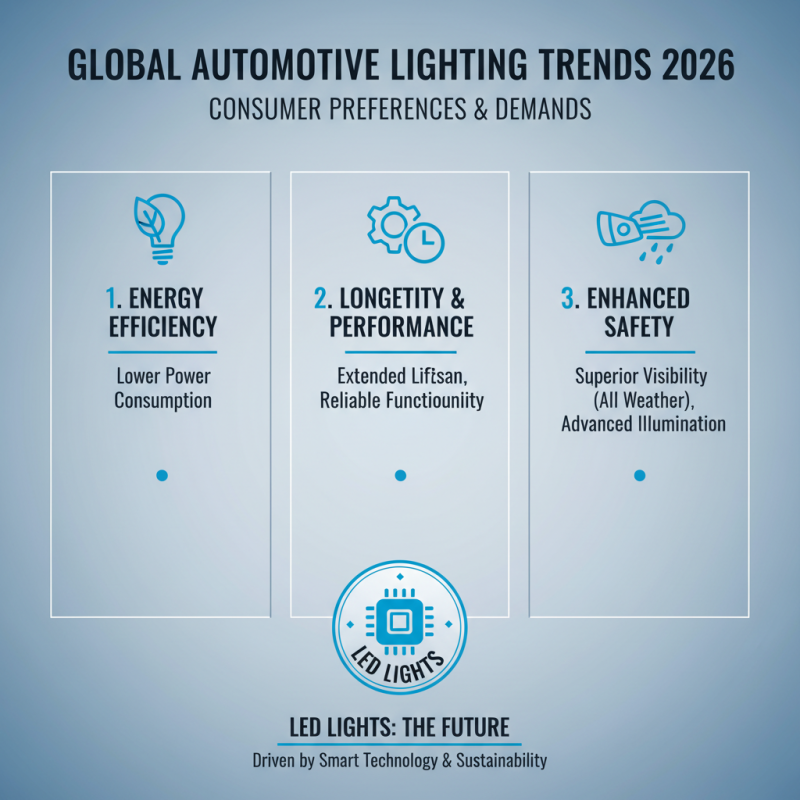
As the automotive industry evolves, consumer preferences are shifting significantly. In 2026, energy efficiency and longevity are paramount. Buyers are increasingly seeking LED lights that consume less power yet provide higher luminosity. This trend is not just about brightness; it’s about functionality and performance. Many consumers want lights that enhance safety and visibility, particularly in adverse weather conditions.
Customization is also becoming a significant factor. Buyers favor LED lights that can be tailored to their specific needs. Color temperature, brightness levels, and additional features such as adaptive lighting are in demand. However, not all manufacturers can meet these expectations. Some products fall short, lacking in quality or failing to offer the promised features.
There’s a growing concern about compatibility with various vehicle models. Many consumers express frustration over the complexity of installation and the risk of poor fit. This leads to a hesitance in purchasing new LED lights. Buyers are looking for reliable options that assure easy installation and durability. The market must address these gaps to align with consumer demands effectively.
Regulatory Changes Impacting Automotive LED Light Industry Worldwide
The automotive LED light industry is undergoing significant changes due to evolving regulations worldwide. These regulations aim to improve safety and efficiency in vehicles. For instance, new standards for brightness levels enhance visibility at night. Such measures are vital for reducing road accidents. Compliance with these regulations can present challenges for manufacturers. They must adapt their products to meet legal requirements while maintaining quality.
Additionally, regulatory changes often influence technological innovations. As standards become more stringent, companies invest in research and development. This drive for compliance can sometimes slow down the product launch process. However, it can also lead to improved designs that offer better energy efficiency. Buyers may benefit from this as high-quality products typically last longer. Yet, the fast-paced evolution in this sector requires constant vigilance.
Legal frameworks are not static; they evolve over time. Companies need to remain informed about these shifts. Inadequate attention to regulations might lead to penalties. This highlights the importance of ongoing education in the industry. Manufacturers should establish strong communication channels with regulatory bodies. Building such relationships can enhance understanding and facilitate smoother compliance.