2026 Top LED Headlights Trending Features and Innovations?
As the automotive industry evolves, LED headlights emerge as a vital innovation. In 2026, these lights will see incredible new features. John Smith, an expert in automotive lighting, emphasizes, "LED headlights are not just brighter; they transform how drivers experience the road."
This year, enhanced technology will improve energy efficiency and longevity. Manufacturers are implementing adaptive lighting systems that adjust to driving conditions. These innovations aim to provide safer and more responsive illumination. Yet, as the popularity of LED headlights grows, some challenges remain. The market is crowded, making it hard for consumers to choose quality products.
Moreover, misconceptions about LED lights persist. Some users still doubt their effectiveness in adverse conditions. As we move forward, education is key. Understanding both the benefits and limitations of LED headlights is crucial. Consumers must seek reliable information to make informed choices.
Emerging Trends in LED Headlight Technology for 2026
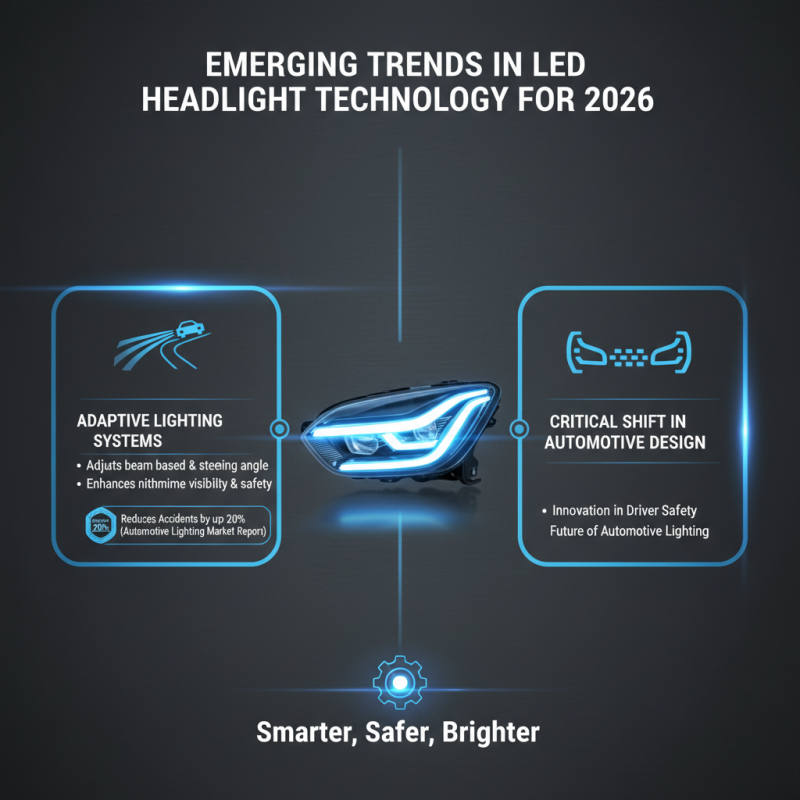
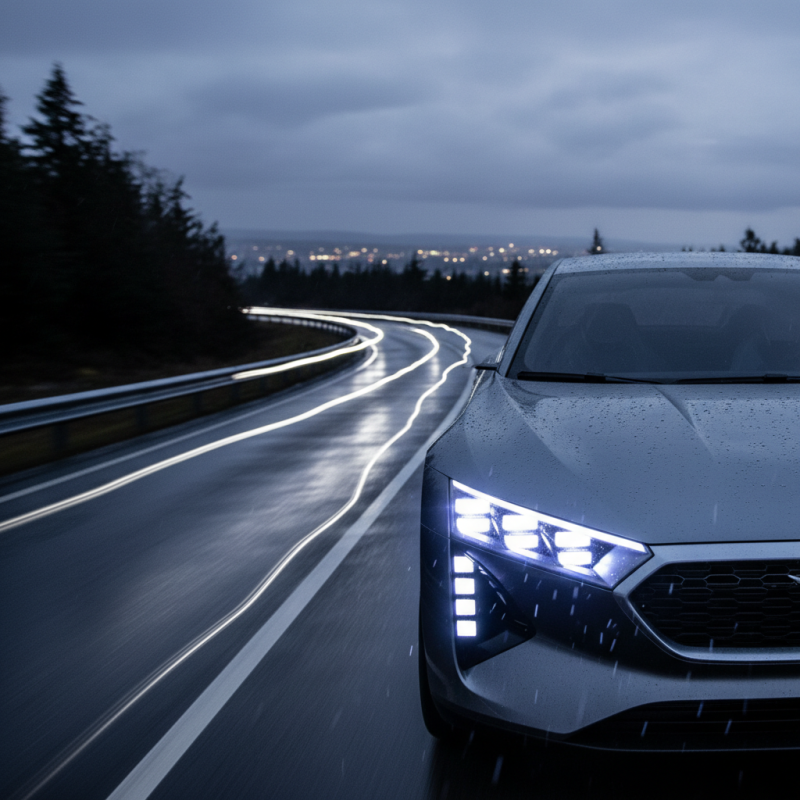
In 2026, LED headlight technology is poised for significant innovation. One emerging trend is adaptive lighting systems. These systems adjust the headlight beam based on vehicle speed and steering angle. A report from the Automotive Lighting Market states that adaptive headlights can reduce accidents by up to 20%. This technology enhances nighttime visibility and driver safety, reflecting a critical shift in automotive design.
Another notable feature is the integration of smart technologies. As vehicle automation grows, headlights are becoming smarter. They can communicate with other vehicles and road infrastructure. Research indicates that 45% of drivers prioritize vehicles with intelligent lighting systems. This interconnectivity can improve road safety and navigation, although it requires a robust infrastructure, which still faces challenges.
Energy efficiency continues to be a focal point. With regulations tightening around energy consumption, manufacturers seek advancements in LED technology. Improved thermal management and lower energy consumption are key goals. However, achieving these improvements can involve trade-offs in performance and cost, prompting ongoing refinement in the design process. The delicate balance between innovation and practicality remains a vital topic of discussion.
Key Features Enhancing Visibility and Safety in LED Headlights
LED headlights are revolutionizing vehicle safety and visibility. In 2026, innovative features enhance performance and driver experience. One key advancement is adaptive lighting technology. This feature adjusts the light beam based on vehicle speed, steering angle, and road conditions. Driving at night becomes safer as the system illuminates bends and curves, providing optimal visibility.
Another crucial enhancement is improved color temperature. Modern LED headlights offer a brighter, whiter light. This helps drivers see further and more clearly. Higher color temperatures, close to daylight, reduce eye strain during night driving. Unexpected obstacles are easier to spot, promoting safer driving habits.
However, these advancements come with challenges. Not all drivers adapt quickly to new features. Additionally, the brightness of LEDs can be blinding to oncoming traffic if not calibrated correctly. As technology progresses, continuous user feedback becomes vital for safety improvements. Ensuring that innovations enhance visibility and reduce glare will be essential for manufacturers moving forward.
2026 Top LED Headlights Trending Features and Innovations
Innovations in Energy Efficiency for Next-Gen LED Headlights
The future of LED headlights looks bright, particularly regarding energy efficiency. Innovations are focusing on minimizing energy waste while maximizing light output. Designers are exploring advanced materials that enhance light transmission and reduce heat buildup. For instance, the integration of heat sinks made from lightweight metals can help manage thermal performance efficiently.
Some new technologies are promising. Adaptive optics systems can adjust beam patterns based on driving conditions. These systems could improve visibility without wasting energy. However, incorporating these advanced features might increase manufacturing costs. This raises questions about affordability and mainstream adoption.
Furthermore, there's ongoing research into biodegradable materials for casing. This could make headlights less harmful to the environment. Yet, achieving durability with these materials remains a challenge. Balancing ecological responsibility with efficacy is a complex task. As the industry evolves, these dilemmas will need thoughtful consideration.
Integration of Smart Technology in LED Headlights for 2026
The integration of smart technology in LED headlights for 2026 marks a significant transition in automotive lighting. This year's trends focus on enhancing safety and user experience through advanced features. Adaptive headlights are expected to become mainstream. They adjust according to speed and steering angle, providing better illumination. This responsive behavior could greatly reduce nighttime accidents.
Moreover, smart LED headlights may incorporate vehicle-to-everything (V2X) communication. This technology enables headlights to interact with surrounding environments, sharing information about road conditions or potential hazards. Imagine headlights that dim automatically when approaching other vehicles, enhancing visibility without blinding other drivers. However, the reliance on this tech raises questions. What happens if the system fails? Drivers still need to be alert.
Another exciting development is the use of AI to learn driving habits. Over time, these headlights could optimize light patterns based on individual behavior. This personalization enhances comfort but also challenges traditional driving norms. Balancing innovation with safety will be vital. As manufacturers push boundaries, they must ensure that technology does not distract or overwhelm drivers.
Comparative Analysis of LED Headlight Brands and Their Innovations
As the automotive industry evolves, LED headlights are at the forefront of innovation. Evaluating different LED headlight brands reveals varying approaches to enhance visibility and safety. Some brands focus on adaptive lighting systems, which adjust the beam pattern based on driving conditions. This allows drivers to maintain optimal road illumination without blinding oncoming traffic.
Another trend worth noting is energy efficiency. Many brands are now prioritizing designs that consume less power while delivering higher luminosity. However, this efficiency sometimes compromises light quality in low-temperature conditions. Manufacturers must find a balance to ensure longevity and effectiveness in diverse environments.
Reflecting on user experiences, feedback often highlights the importance of beam width and color temperature. Some users prefer cooler hues for modern aesthetics, while others value warmth for comfort. Understanding these preferences is crucial as brands innovate.
Consistency in quality control remains a challenge, with some products lacking reliability. Continuous improvements in technology should aim to address these inconsistencies and better serve the needs of drivers.