2026 Top Led Off Road Lighting Trends for Global Buyers?
As we approach 2026, the landscape of Led Off Road Lighting is evolving rapidly. Experts in the industry, like Mark Jensen, a renowned lighting consultant, emphasize the importance of innovation. He states, "The future of Led Off Road Lighting lies in adaptability and advanced technology." This sentiment captures the essence of upcoming trends.
With more off-road enthusiasts seeking reliable lighting solutions, manufacturers are focusing on durability and efficiency. Emerging technologies like smart lighting and integrated sensors are making waves. These advancements not only enhance visibility but also improve safety on rugged terrains.
While the market is expanding, it's also crucial to reflect on the challenges. Environmental considerations and energy consumption are pressing concerns. Balancing performance with sustainability will define the future of Led Off Road Lighting. The journey ahead requires thoughtful innovation and a commitment to best practices.
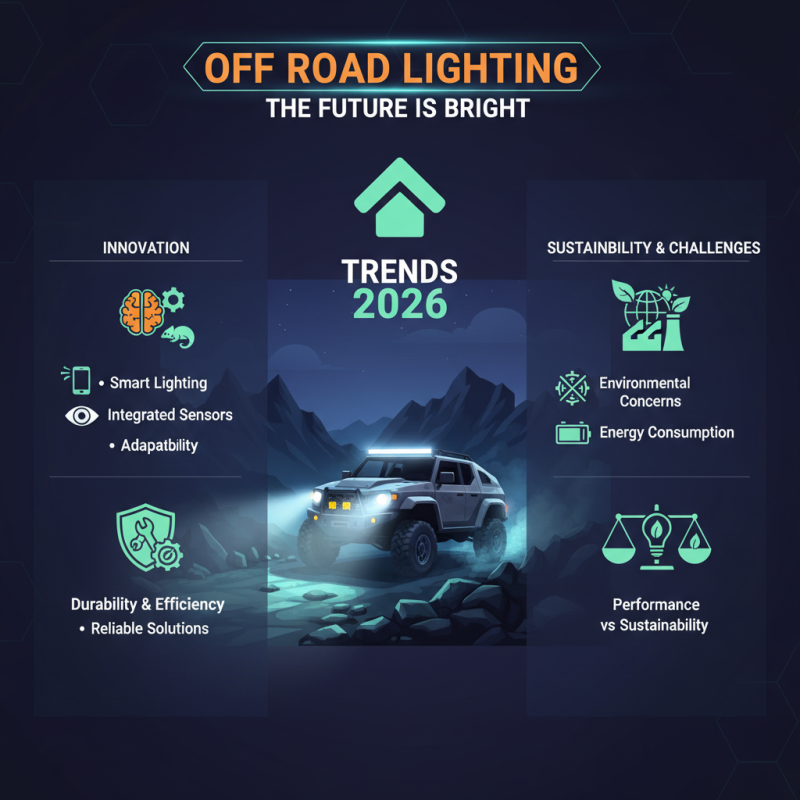
2026 LED Off Road Lighting: A Comprehensive Trend Overview
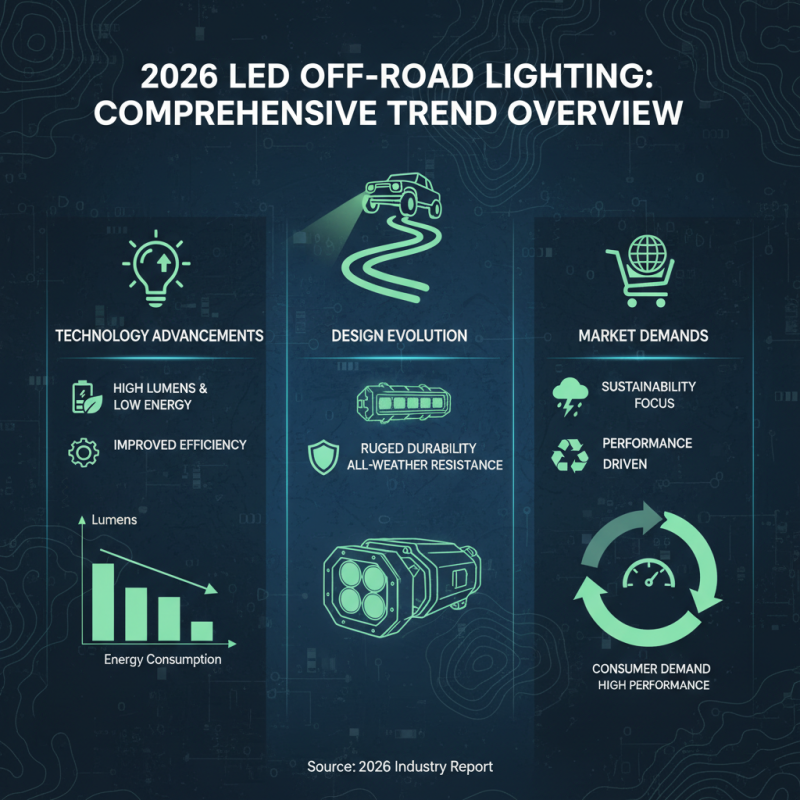
In 2026, LED off-road lighting is evolving rapidly, driven by advancements in technology and design. The latest trends reflect a focus on efficiency and durability. Buyers are increasingly looking for lights that offer high lumens output while consuming lower energy. This shift aligns with environmental awareness and the demand for sustainable products. Additionally, rugged designs that withstand harsh weather conditions are becoming standard.
Customized lighting solutions are gaining popularity. Off-road enthusiasts want lights tailored to their specific needs, whether for camping, trail riding, or competitive racing. Versatility in installation options is also key. Buyers prefer lights that can seamlessly fit into different vehicle types. Incorporating smart technology allows for remote control and dimming options, enhancing user experience.
However, some challenges remain. The market can be confusing due to varying quality and specifications. Consumers may struggle to determine what truly meets their needs in various environments. Moreover, while innovative features are appealing, simplicity should not be overlooked. Features that complicate use may deter potential buyers. Adapting to these insights will be vital for manufacturers aiming to succeed in this evolving market.
Innovative Technologies Revolutionizing Off Road Lighting Solutions
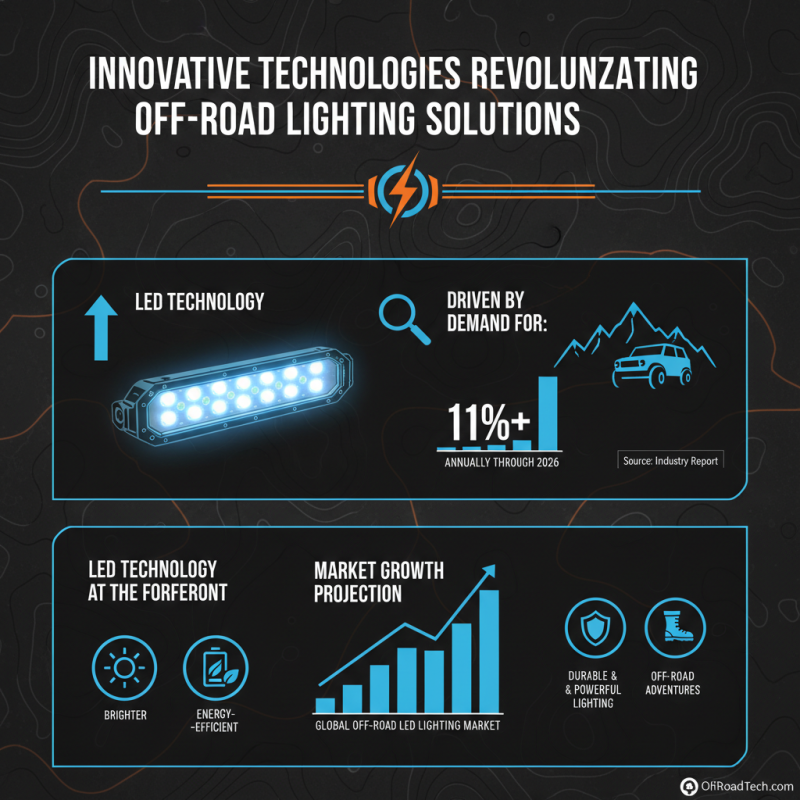
The off-road lighting industry is witnessing significant innovations. LED technology is at the forefront, providing users with brighter and more energy-efficient solutions. According to a recent industry report, the global off-road LED lighting market is projected to grow by over 11% annually through 2026. This growth reflects the increasing demand for durable and powerful lighting as more individuals engage in off-road adventures.
Innovative lighting solutions, such as smart LED systems, are changing the landscape. These systems allow users to control lights through mobile apps, adjusting brightness and even the color temperature. The flexibility of these options addresses various terrain conditions. However, while technology advances, some manufacturers struggle to maintain strict quality control. This inconsistency can lead to performance issues, making it essential for buyers to conduct thorough research before making purchases.
Furthermore, advancements in materials have enhanced product longevity. New weather-resistant coatings protect lights from harsh environments. Still, there are concerns regarding the environmental impact of both production and disposal. As buyers seek effective off-road solutions, they must also weigh these ecological considerations. Balancing innovation with sustainability will be crucial in shaping the future of off-road lighting.
Key Players and Their Contributions to Global Off Road Lighting Trends
The landscape of off-road lighting is evolving rapidly. Key players in the industry are making noticeable contributions to these trends. They focus on innovation, performance, and sustainability. As the demand for enhanced visibility grows, manufacturers are prioritizing LED technology. The shift towards energy-efficient lights is undeniable. This leads to brighter, longer-lasting solutions for off-road enthusiasts.
Customizable lighting options are becoming popular. Buyers now seek flexibility in their lighting solutions. This shift reflects a growing desire for personalization. Manufacturers are exploring modular designs. These can cater to different user needs and preferences. However, not all options deliver the same quality. Some products claim high performance but may fall short in harsh environments.
Durability remains a top concern. Off-road conditions can be tough on lighting systems. Water resistance and robust materials are critical. Buyers should look for indicators of quality. Checking reviews can provide insights into real-world performance. Yet, the landscape isn’t perfect. Some brands may overpromise while underdelivering. Research is essential for making informed decisions in this competitive market.
Sustainability and Eco-Friendly Practices in Off Road Lighting Industry
The off-road lighting industry is evolving rapidly, with sustainability becoming a key focus. More manufacturers are adopting eco-friendly practices. They are exploring materials that reduce their environmental footprint. This trend aligns with global consumers’ increasing awareness of ecological issues.
LED technology stands out for its energy efficiency. These lights consume less power and produce less heat. When off-road enthusiasts choose LED lights, they are making a sustainable choice. It’s important to consider the life cycle of products. Opting for lights that are durable reduces waste.
Tips for eco-friendly off-road lighting include recycling old light fixtures. Research local regulations regarding disposal. Also, look for products using recyclable materials. This is a step toward a greener choice. It's crucial to remember that every small action counts. The industry still has a long way to go, but there’s hope in these evolving practices.
Consumer Preferences and Market Demand Shaping Lighting Trends
The off-road lighting market is experiencing a shift driven by consumer preferences and rising demand. Reports indicate that the global off-road lighting market is projected to grow at a CAGR of 5.6% from 2021 to 2026. Buyers increasingly favor LED lights due to their efficiency and longevity. This trend is reshaping product designs and features.
Many consumers prioritize brightness and durability. Studies show that 73% of off-road enthusiasts look for lights with higher lumens and rugged construction. Buyers also want customization options. Installing different colors and styles allows for personalization. This preference influences manufacturers to diversify their product offerings.
Tip: When selecting off-road lights, consider the intended use. Higher lumens are essential for nighttime driving, while flexibility in design can enhance your vehicle's aesthetics.
Markets are responding to sustainability concerns. Eco-friendly materials and energy-efficient technologies are gaining traction. However, some manufacturers still lag behind in incorporating these elements. This inconsistency can affect consumer trust and market growth. Ensuring environmentally responsible options should be a priority for businesses.
Tip: Check for certifications that guarantee eco-friendly practices. They can provide assurance about the product's sustainability.
2026 Top Led Off Road Lighting Trends for Global Buyers
| Trend |
Consumer Preference (%) |
Market Demand ($M) |
Region |
| Smart Lighting Technology |
35% |
150 |
North America |
| Energy Efficiency |
40% |
120 |
Europe |
| Durability and Weather Resistance |
50% |
200 |
Asia Pacific |
| Customizable Colors and Modes |
30% |
90 |
Latin America |
| Integration with Vehicle Systems |
45% |
180 |
Middle East |