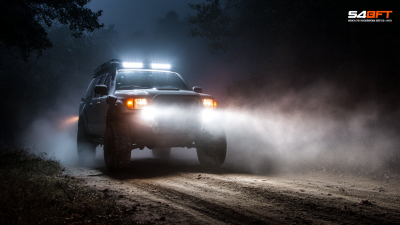
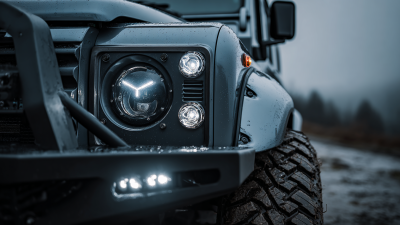
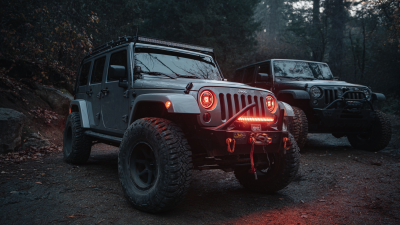
2026 Top Offroad Led Lights for Ultimate Adventure and Safety?
When it comes to offroading, safety and visibility are paramount. 2026 sees a shift in the industry’s focus on Offroad LED Lights. These lights enhance visibility during challenging journeys. According to the Off-Road Industry Association, 72% of offroaders report needing better lighting while exploring. This clearly indicates a demand for improvements.
Innovative designs in Offroad LED Lights now offer enhanced durability. They withstand extreme conditions better than traditional lighting. Recent tests show that advanced LED options provide 200% brighter output. Yet, many drivers underestimate the importance of proper installation. Poorly placed lights can cause blinding glare, which is dangerous for everyone on the trail.
Moreover, while high-quality lights are more effective, they come at a cost. Budget options may suffice initially but could fail in critical moments. Additionally, the variety of choices can lead to confusion. Consumers must settle on the right lights for their needs. As off-roading enthusiasts continue to embrace adventure, the role of Offroad LED Lights will only grow. Reflecting on personal experiences, we often overlook our gear's impact on our safety and enjoyment.
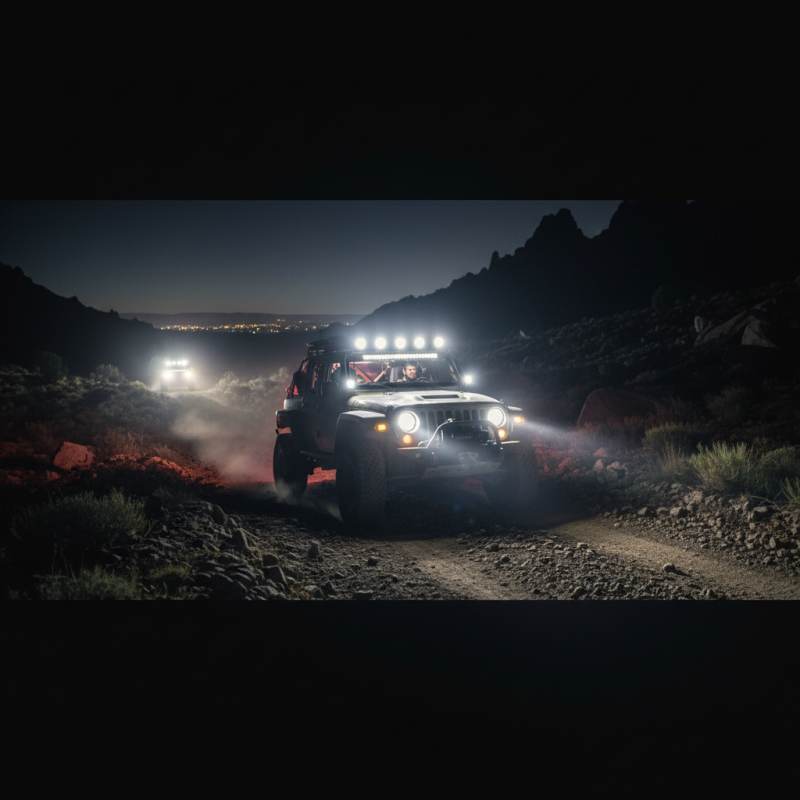
2026 Trends in Offroad LED Lighting for Adventurers
The world of offroad LED lighting continues to evolve, offering adventurers enhanced safety and visibility. In 2026, we see a push for versatility. Lights are becoming lighter and easier to install. Many options are designed for multi-purpose use, making them ideal for various terrains. Adventurers often balance performance with aesthetics, and new designs reflect that. Sleek yet rugged, these lights attract outdoor enthusiasts who value both function and style.
Advancements in technology are also reshaping the landscape. Smart lighting features are emerging. Some models can adjust brightness based on surrounding conditions. This helps conserve battery life during long journeys. However, not all products live up to the hype. Occasionally, users report inconsistencies in performance. This highlights the importance of doing thorough research before making a purchase.
User-friendly controls are another trend. Many new lights offer remote operation, allowing hands-free adjustments. This can be handy in tight spots. Yet, there are times when reliance on technology can backfire. Battery failures or connectivity issues may lead to frustrating experiences. As the market grows, adventurers must remain vigilant and informed, ensuring they choose the right lighting solutions for their needs.
Key Features to Look for in Offroad LED Lights
When choosing offroad LED lights, it’s important to consider brightness. Measured in lumens, a high output will ensure you can see clearly in the dark. Ideal brightness levels for intense trails are typically between 2,000 to 5,000 lumens. However, too much brightness can cause glare, making it hard to see. Finding a balance is key.
Durability is another critical feature. Look for lights made from tough materials like aluminum or polycarbonate. These can withstand impacts and resist corrosion. Weatherproofing, like an IP rating of 67 or above, ensures they function in heavy rain or snow. Poorly constructed lights may fail during your adventure, which can be frustrating.
Beam pattern matters as well. An optimal combination of flood and spot beams will provide wide coverage and focused distance. Unfortunately, many lights overemphasize one at the expense of the other. If you often drive in unfamiliar terrain, a balanced beam pattern is crucial. Evaluate how the lights project and test them in different conditions. Mistakes in this area can lead to safety hazards.
2026 Top Offroad Led Lights for Ultimate Adventure and Safety - Key Features to Look for in Offroad LED Lights
| Feature |
Description |
Importance |
Typical Rating |
| Brightness |
Measured in lumens, indicating illumination capability. |
High brightness ensures visibility in rugged terrain. |
3000 - 15000 lumens |
| Durability |
Resistance to shock, dust, and water. |
Essential for withstanding off-road conditions. |
IP67 or higher |
| Beam Pattern |
Spread of light, including spot, flood, or combo. |
Affecting visibility range and area coverage. |
Varies by design |
| Color Temperature |
Measured in Kelvin, affects visibility and aesthetics. |
Cooler temperatures improve clarity in night conditions. |
5000K - 6500K |
| Power Consumption |
Wattage required for operation. |
Efficiency impacts battery life and vehicle performance. |
20W - 300W |
| Mounting Options |
Variety of mounting brackets and accessories. |
Flexibility to fit different vehicle types. |
Multiple configurations |
Top Brands and Models of Offroad LED Lights Reviewed
Exploring the wilderness at night can be thrilling, but proper lighting is crucial. Offroad LED lights enhance visibility, allowing adventurers to navigate tricky terrains. These lights are designed for durability, with weatherproof features. They can withstand harsh conditions like rain and dust.
When considering offroad LED lights, several factors matter. Brightness is key; look for higher lumens for better clarity in pitch-black surroundings. Beam pattern also impacts performance; a wide spread can illuminate more area, while a focused beam is ideal for distance.
Many models boast easy installation features. However, users often encounter challenges with mounting options and wiring. Spending time researching the best fit is essential. Reading user reviews can uncover hidden issues, like flickering or overheating. Ensuring the right choice can greatly enhance your offroading experience.
Installation and Maintenance Tips for Offroad LED Lights
When installing offroad LED lights, proper positioning is crucial. According to industry reports, a 45-degree angle is ideal for maximizing visibility without blinding others. Many enthusiasts overlook this detail and end up with lights that are ineffective. The brightness of LED lights can reach up to 24,000 lumens, illuminating even the darkest trails. Ensuring they are mounted securely can prevent them from shifting during rough rides.
Maintenance is essential for the longevity of your lights. Regular cleaning keeps the lenses clear. Dirt and grime can significantly reduce brightness. A quick wipe with a soft cloth can prevent buildup. It's also wise to check the wiring for damage. Corrosion is a common issue, especially in harsh environments. Research shows that proper care can extend the lifespan of LED lights by 30%.
Remember that even small mistakes can lead to major safety issues. Misaligned lights can cause dangerous glare for other drivers. Being proactive about installation and upkeep helps ensure a safe adventure. Regular assessments and adjustments might feel tedious, but they are key to reliable performance on challenging terrains.
Safety Considerations When Using Offroad LED Lighting
Off-roading can be thrilling, but safety must come first. Proper use of LED lights enhances visibility significantly. Studies show that about 70% of off-road accidents occur at night. Bright and effective lighting can reduce these incidents.
When choosing off-road LED lights, consider their brightness and beam pattern. A light bar with a wide beam offers better peripheral visibility. However, improper installation can lead to glare for other drivers. This creates a risk rather than a solution. Positioning lights at the correct height is essential for optimal performance.
Additionally, drivers should ensure their electrical systems can handle the extra load. Overloading can lead to system failures, leaving drivers in dangerous situations. Reliably connecting all wires and ensuring a stable power source cannot be overlooked. Safety isn't just about visibility; it’s about reliability. Taking these precautions can enhance your adventures and keep you safe on the trails.