2026 Top Offroad Led Lights for Global Buyers Guide?
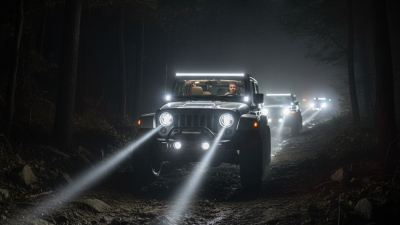
The demand for Offroad Led Lights continues to surge. As more individuals venture into off-roading, robust lighting solutions are essential. According to a recent report by the Offroad Lighting Association, the market is projected to grow by over 12% annually. This growth reflects a rise in outdoor recreation and the popularity of off-road vehicles.
Industry expert John Harrison stated, “High-quality Offroad Led Lights are not just accessories; they are vital for safety and performance.” His insight underscores how critical effective lighting is for nighttime exploration. Many enthusiasts seek the best gear to enhance safety and visibility on rugged terrains.
However, choosing the right Offroad Led Lights can be overwhelming. With countless brands and specifications, buyers often face uncertainty. Some lights promise durability but fall short during challenging conditions. Reflecting on this, it’s crucial to prioritize quality and reputation over flashy marketing. This guide aims to clarify options and highlight the best products for global buyers, ensuring informed decisions in the evolving off-road lighting landscape.
2026 Offroad LED Lights: Key Features and Innovations
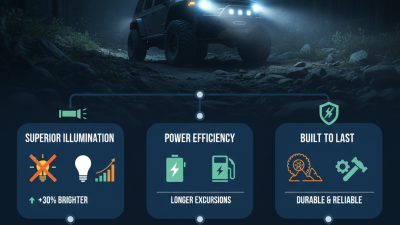
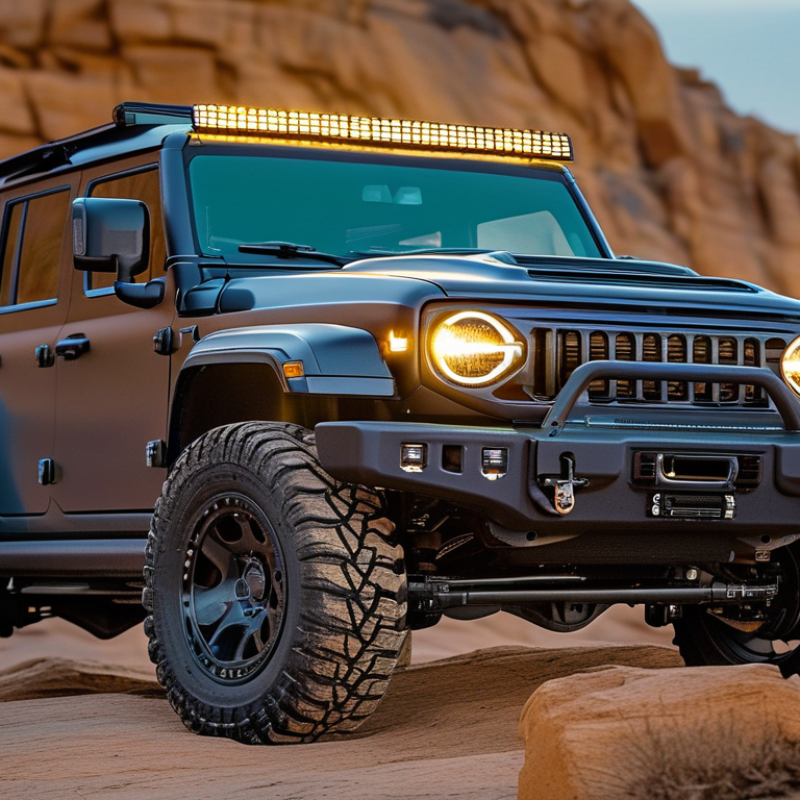
Offroad LED lights have evolved significantly in 2026. The latest models feature brighter outputs and better durability. They now utilize advanced LED technology for increased luminosity. Heat management is also improved, preventing overheating during extended use. This enhances their lifespan and performance in tough conditions.
Innovations include adjustable beam angles and smart controls. Users can customize light settings based on their environment. Many lights now offer wireless connectivity. This allows for remote adjustments, adding convenience for offroad enthusiasts. Durability is a focal point, with tougher materials resisting impact and weather damage.
Despite these advancements, some issues arise. Not all lights are easy to install. Many products come with complex manuals. Furthermore, brightness does not always equate to better performance off-road. Reflecting on these factors can guide buyers in making informed decisions. Careful consideration of features and user experiences can significantly improve satisfaction.
2026 Top Offroad LED Lights for Global Buyers Guide
| Model |
Brightness (Lumens) |
Power (Watts) |
Beam Pattern |
Waterproof Rating |
Lifespan (Hours) |
| Model A |
10,000 |
50 |
Spot |
IP67 |
50,000 |
| Model B |
8,000 |
40 |
Flood |
IP68 |
30,000 |
| Model C |
12,000 |
60 |
Combo |
IP69K |
70,000 |
| Model D |
15,000 |
75 |
Hybrid |
IP67 |
100,000 |
Performance Metrics: Brightness, Beam Distance, and Power Consumption
When selecting offroad LED lights, three performance metrics stand out: brightness, beam distance, and power consumption. Brightness is crucial for visibility in dark environments. A high lumen output means a brighter light, but it’s not the only factor to consider. Some buyers may prioritize a specific brightness level, thinking more is always better. However, it's important to find balance; too much brightness can cause glare and reduce overall visibility.
Beam distance relates to how far the light projects. A longer beam can illuminate the road ahead, enhancing safety during nighttime drives. However, many offroaders might overlook the quality of the beam pattern. A poorly focused beam can leave dark spots, diminishing the effectiveness of the light. It’s a reminder to test lights in various conditions before making a purchase.
Power consumption is another vital metric. While LED lights are generally energy-efficient, the actual consumption matters. Some high-output lights may drain vehicle batteries quickly, especially during extended use. It's worth considering how often you will use these lights and for how long. A long-lasting solution blends both efficiency and performance. Each metric requires careful evaluation to ensure optimal offroad experiences.
2026 Top Offroad LED Lights Performance Metrics
Comparative Analysis: Leading Brands in the Offroad Lighting Market
When exploring the off-road lighting market, understanding the leading brands is essential. Various manufacturers offer distinct features, pricing, and performance levels. Each brand presents unique strengths, such as exceptional brightness or durability suited for rugged terrains. Comparative analysis helps buyers choose based on their specific needs.
Tips to consider include examining the lumens output. Higher lumens generally mean brighter lights, beneficial for night driving. Additionally, assess the waterproof rating of lights. Off-road adventures often encounter harsh conditions, making durability vital. It’s crucial to invest in products resistant to moisture and impacts.
Another point to reflect on is the installation process. Some lights require complex mounting systems, while others offer straightforward setups. A simpler installation can save time and frustration. Ultimately, engaging in comparative analysis empowers buyers, leading to informed decisions that enhance their off-road experiences.
Installation Guide: Choosing the Right Configuration for Your Vehicle
When installing offroad LED lights, one must consider vehicle configurations carefully. The type of mounting, light beam pattern, and light intensity all matter significantly. Reports suggest that an optimal beam width of 60 to 90 degrees is ideal for off-road visibility. This range enhances peripheral vision essential for navigating rough terrains.
Choosing the right configuration also depends on the vehicle's power supply. Many vehicles can support lights drawing up to 100 watts without issue. However, exceeding this can drain the battery quickly, leading to inefficient performance, especially during night adventures. Tips for installation include ensuring a proper electrical connection and using a relay switch for extra safety.
Placement is another crucial factor. Mounting lights at 36 to 48 inches above the ground maximizes effectiveness. This height improves visibility over obstacles while minimizing glare. Keep in mind that uneven terrains can affect light distribution. Adjusting the angle and orientation after installation may be necessary to avoid blind spots. Always prioritize safety and compliance with local regulations when making your choice.
Regulations and Safety Standards for Offroad LED Lighting Systems
When considering offroad LED lighting, regulations and safety standards play a crucial role. Many regions require compliance with specific brightness levels and beam patterns. These standards ensure that offroad lights do not cause glare or hinder visibility for other drivers. For instance, a well-designed light should illuminate the terrain without blinding oncoming vehicles.
Safety is paramount in offroad activities. Improperly installed or substandard lights can lead to accidents. Regular inspections of lighting systems are essential. Check for damaged wiring or water ingress, which can affect performance. Moreover, understanding the local laws regarding offroad lighting can prevent legal issues. It’s a complex landscape, as regulations often vary. Staying informed is vital for safe usage.
Moreover, choosing the right installation methods is overlooked by many users. Simple mistakes can lead to inefficiencies. For example, placing lights too low may result in poor visibility. Lights should be positioned to maximize their effectiveness while adhering to regulations. Engaging with online forums can provide insights from experienced users. Their shared experiences can highlight common pitfalls.