What are Amber Led Fog Lights and How Do They Work?
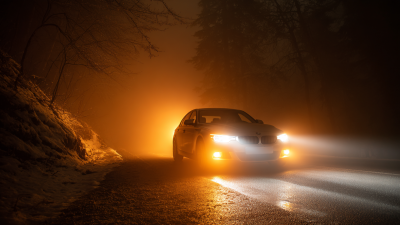
Amber LED fog lights have gained popularity among automotive enthusiasts and safety advocates. Offering improved visibility in adverse weather, these lights produce a warm amber hue. According to a report by the Automotive Lighting Association, vehicles equipped with amber fog lights can enhance visibility by up to 30% in foggy conditions compared to standard white lights.
Dr. Emily Harper, a leading expert in automotive lighting design, states, "Amber LED fog lights are game changers for driving safety." This reflects a growing consensus in the industry about their effectiveness. The technology behind these lights allows for greater light dispersion, which penetrates fog more effectively. However, while they are beneficial, some drivers may underestimate their importance. The tendency to rely solely on standard headlights may lead to reduced visibility during critical driving situations.
Moreover, the design of amber LED fog lights raises questions about standardization. Different manufacturers produce varying intensities and dispersing patterns. This inconsistency can create confusion for consumers. Therefore, understanding how amber LED fog lights work is essential to making informed choices for enhanced safety on the roads.
What Are Amber LED Fog Lights?
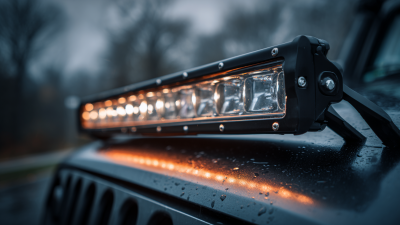
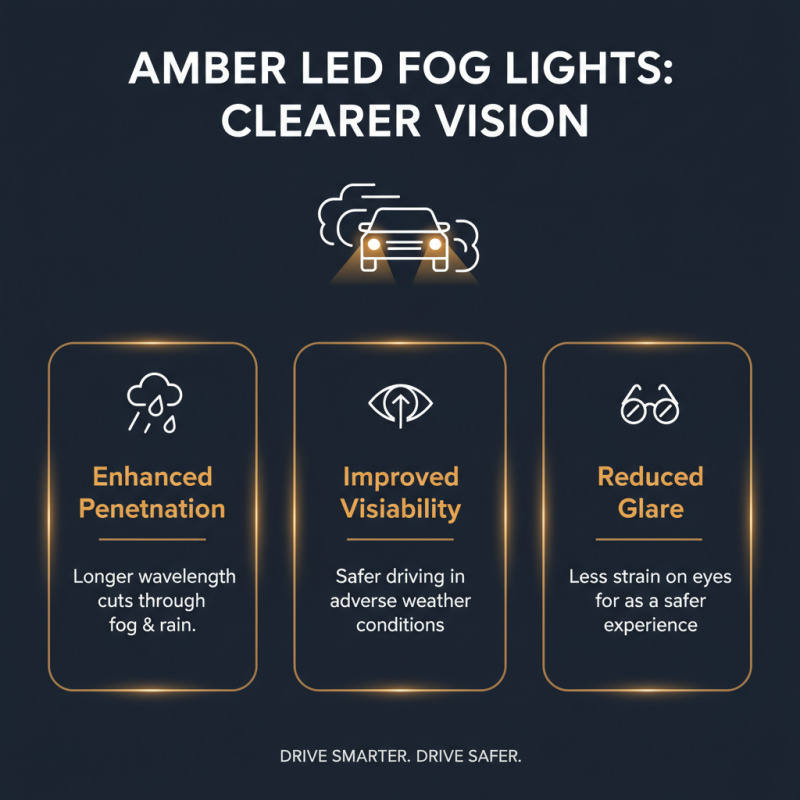
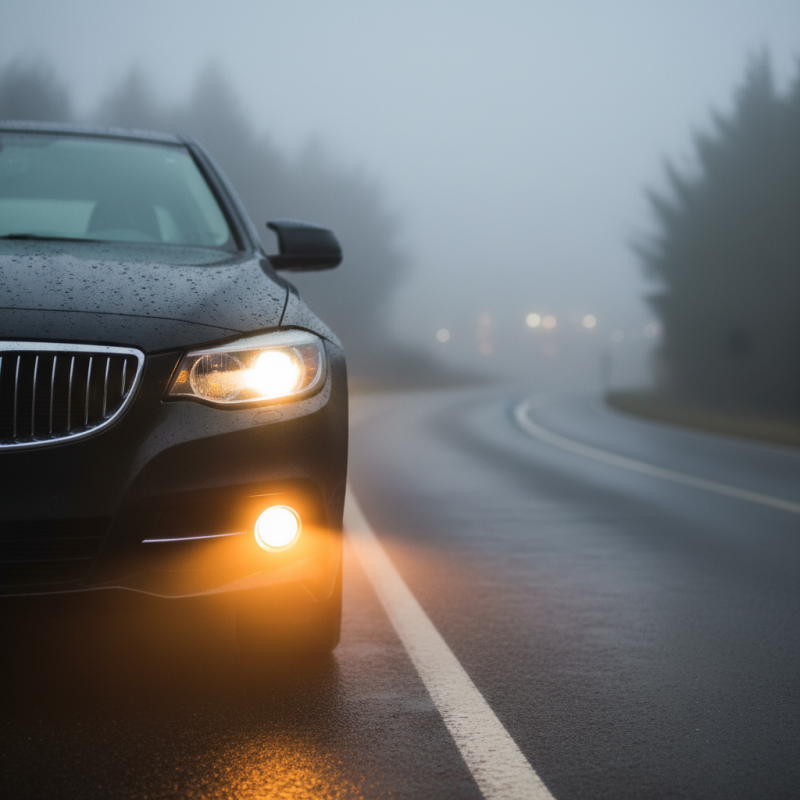
Amber LED fog lights are specialized lighting fixtures designed to improve visibility in adverse weather conditions. Unlike standard white lights, amber lights penetrate fog, rain, and snow more effectively. They reduce glare for drivers, making it easier to see clearly. This unique color helps to enhance contrast against reflected surfaces.
Incorporating amber LED fog lights into your vehicle can be beneficial. They can be particularly useful during heavy fog or snow. The yellow hue cuts through the moisture in the air. This can increase safety by allowing you to see the road ahead more clearly. You might not realize the power of color until you see how amber lights perform compared to traditional options.
Tip: When choosing fog lights, consider brightness and beam pattern. A focused beam helps illuminate the road better.
Also, installation can sometimes be tricky. Improperly aimed lights may cause more harm than good. Misalignment can dazzle oncoming drivers, creating unsafe conditions.
Tip: Test your fog lights after installation. Make sure they are angled correctly for optimal performance. It’s worth taking the time to ensure they work efficiently.
How Amber LED Fog Lights Work: A Technical Overview
Amber LED fog lights are designed to enhance visibility in hazardous weather conditions. Their warm hue penetrates through fog, rain, or snow better than standard white lights. This makes them ideal for use during low visibility situations, like heavy rain or thick fog. The unique light spectrum reduces glare, allowing drivers to see the road more clearly.
The technical workings of amber LED fog lights involve specific light wavelengths. LEDs emit light when an electric current passes through them. The amber color comes from a combination of phosphor coating and the diode material. These lights consume less power and last longer than traditional halogen options. They also produce less heat, making them safer to use in tight spaces.
Yet, not everyone prefers amber lights. Some argue they don’t illuminate the road as effectively as white lights. This brings forth a discussion about personal preferences in automotive lighting. Drivers need to consider their driving environment. While amber fog lights can improve safety in specific conditions, each driver must determine what works best for their needs.
What are Amber Led Fog Lights and How Do They Work?
| Feature |
Description |
| Color Temperature |
Amber LED lights typically have a color temperature of around 3000K, providing a warm, yellowish light. |
| Visibility |
Amber light cuts through fog, rain, and snow better than white light, improving visibility in adverse weather conditions. |
| Installation Type |
Amber LED fog lights can be a simple plug-and-play installation or may require wiring adjustments depending on the vehicle. |
| Power Consumption |
LED fog lights are energy-efficient, consuming less power than traditional halogen fog lights, typically around 10-25 watts. |
| Lifespan |
Amber LEDs can last up to 25,000 hours or more, significantly longer than standard halogen bulbs. |
| Applications |
Commonly used in off-road vehicles, trucks, and cars for enhanced visibility and safety during poor weather conditions. |
Installation Process for Amber LED Fog Lights
Installing amber LED fog lights can enhance visibility in foggy conditions. The installation process is straightforward, but requires attention to detail. First, gather all necessary tools. This includes a screwdriver, wire connectors, and a wrench. Safety is key. Always disconnect your vehicle’s battery before starting.
Begin by removing the front bumper to access the fog light area. This can be tricky. There may be clips or screws that are hard to see. Take your time. Once the bumper is off, you can install the amber LED lights. Align them correctly in the fog light housing. Connect the wiring harness carefully. Ensure that all connections are secure.
Tips: Use zip ties to organize loose wires for a cleaner look. Check the light’s angle after installation. Improper alignment can reduce effectiveness. Test the fog lights before fully reassembling the bumper. It’s easy to overlook small details, but doing so could save time later. Remember, patience is essential during this process.
Comparing Amber LED Fog Lights with Other Types of Fog Lights
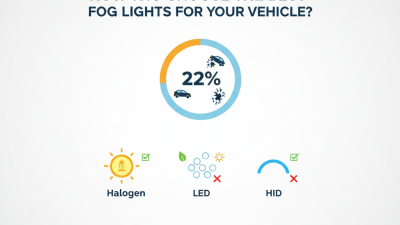
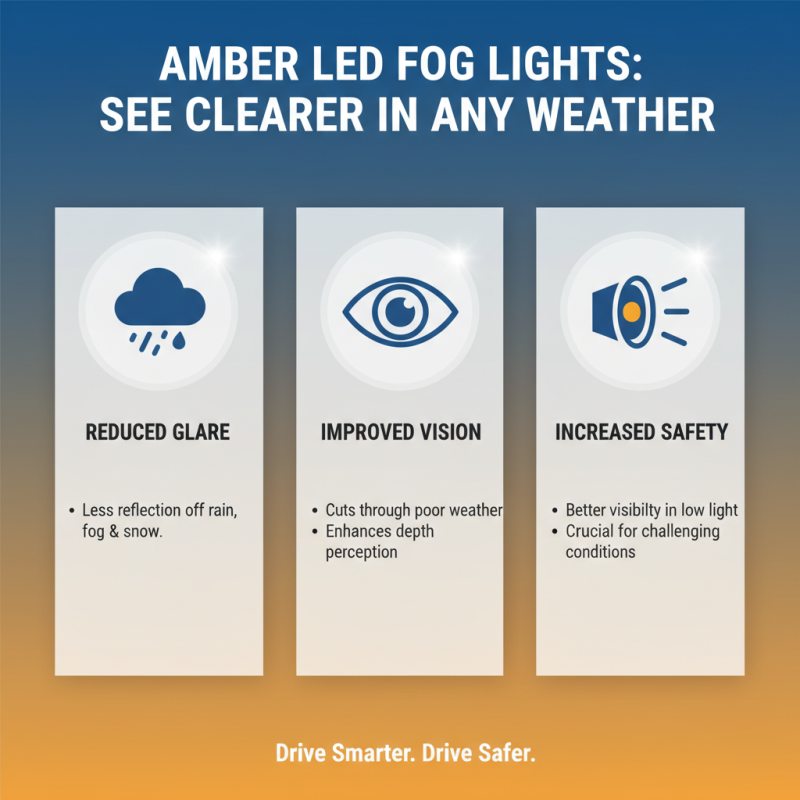
Amber LED fog lights offer a unique advantage over traditional halogen or white LED fog lights. The amber light is less likely to reflect off rain, fog, or snow. This characteristic improves visibility in poor weather conditions. Studies show that amber lights allow for better depth perception. This can be crucial when driving in low visibility.
In contrast, white lights can increase glare, especially in foggy weather. According to research by the National Highway Traffic Safety Administration (NHTSA), amber lights reduce glare by up to 30% compared to standard white lights. This makes amber LED fog lights a safer choice for nighttime driving and inclement weather.
Tips for choosing fog lights: Consider your typical driving conditions. If you frequently drive in heavy rain or fog, amber lights may be ideal. Think about installation as well. Some vehicles may require modifications. Be mindful of the wattage and output to ensure they meet local regulations. Balancing visibility and legality is crucial for safe driving.