Why Choose LED Lights for Your Headlights Benefits Explained?
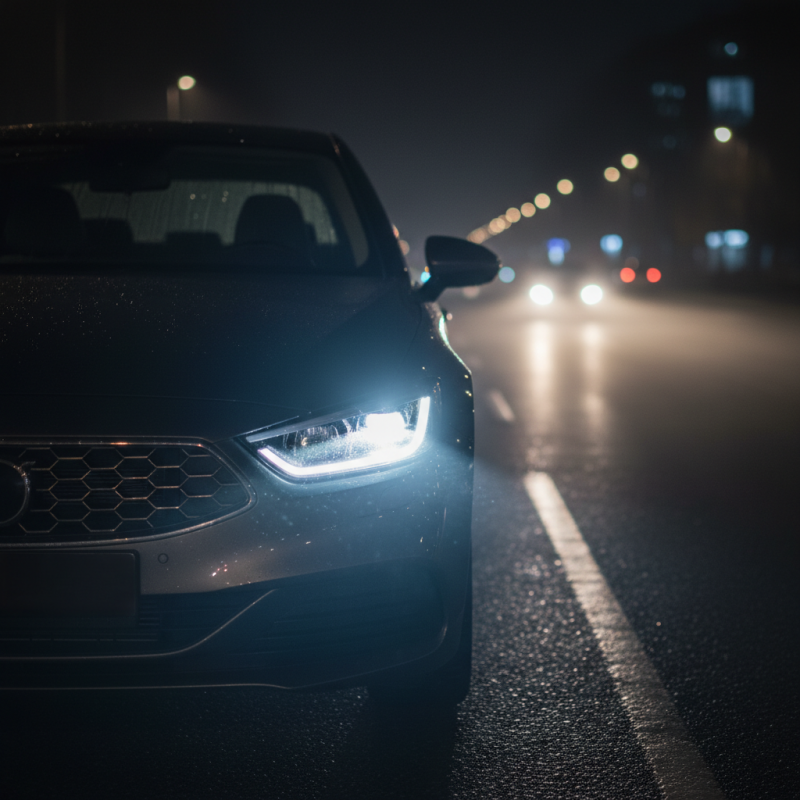
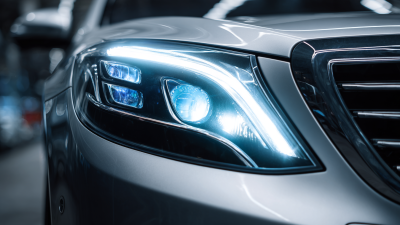
In the world of automotive lighting, LED lights for headlights are becoming increasingly popular. Renowned industry expert John Smith states, “LED headlight technology gives drivers improved visibility and safety on the road.” This technology provides brighter illumination and consumes less energy compared to traditional options.
However, it’s essential to consider the potential drawbacks. Some users report a harsher light that can cause glare for oncoming drivers. Finding the right LED lights headlights requires careful research and personal preference.
With a plethora of choices available, it can feel overwhelming. Yet, the benefits often outweigh the negatives. A well-chosen LED headlight can enhance nighttime driving and reduce replacement frequency. Embracing this technology can lead to safer journeys, but it’s vital to choose wisely.
Benefits of LED Headlights Over Traditional Halogen Lights
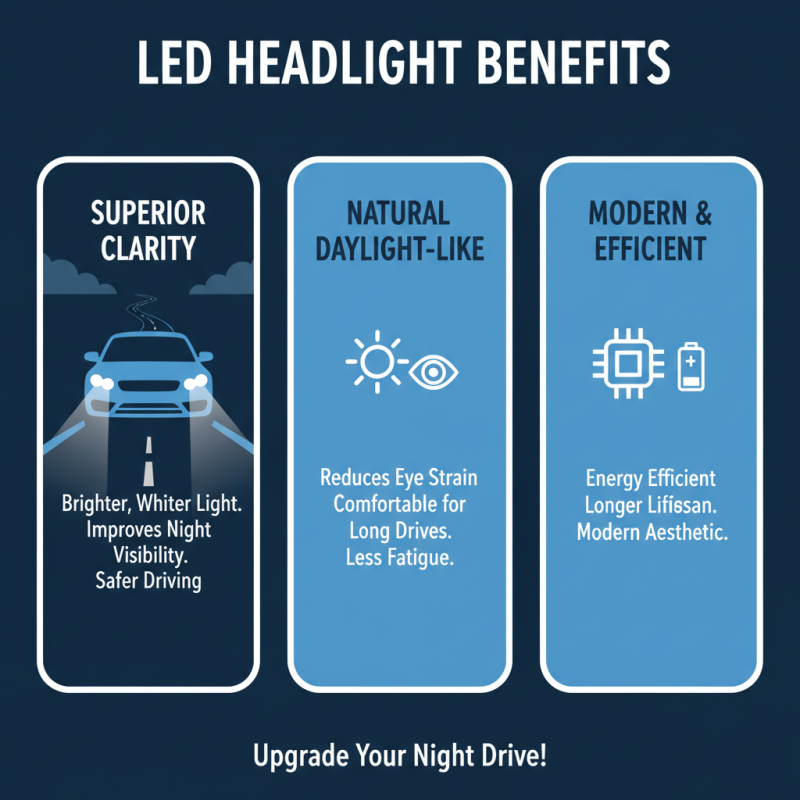
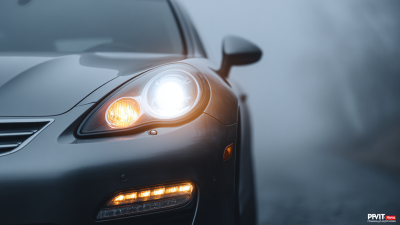
LED headlights are becoming popular for a reason. They offer bright, white light compared to traditional halogen lights. This clarity improves visibility, especially in dark conditions. Many drivers report feeling safer at night with LED headlights. The color of LED lights closely resembles natural daylight. This can reduce eye strain during long drives.
Durability is another significant advantage. LED lights typically last longer than halogen bulbs. They can withstand harsh weather and vibrations better. This resilience means less frequent replacements. While the initial cost may be higher, the long-term savings can be substantial. However, some may find the installation process challenging. It's crucial to ensure proper fitting to reap the full benefits.
Energy efficiency is a key selling point. LED headlights consume less power, reducing strain on your vehicle's electrical system. This might lead to better fuel economy over time. Yet, not all vehicles are equipped for LED technology. Some cars may need an upgrade. Balancing cost, benefits, and compatibility requires thought. Choosing the right option can sometimes be confusing.
Energy Efficiency: Comparing Power Consumption and Longevity
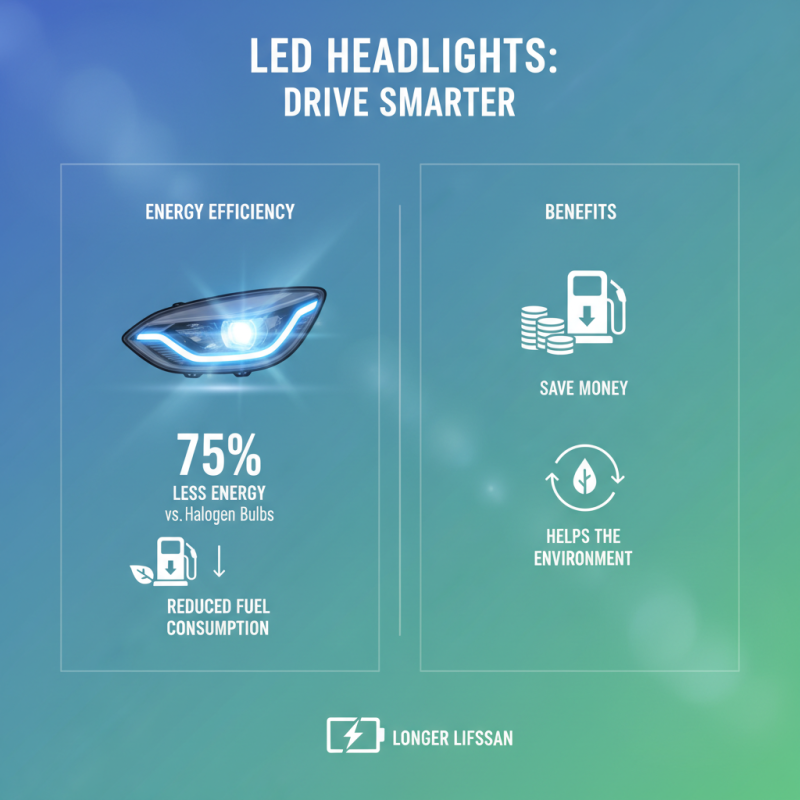
LED lights have gained popularity for vehicle headlights due to their energy efficiency. A recent report indicates that LED headlights consume up to 75% less energy than traditional halogen bulbs. This significant reduction can lead to notable savings on fuel consumption, especially over time. When driving, lower power use means better fuel efficiency, which helps both the environment and your wallet.
Another key benefit of LED technology is its longevity. LED headlights can last over 25,000 hours. In contrast, halogen bulbs often burn out after just 1,000 hours. This means fewer replacements and reduced waste. However, some users experience challenges in adapting to this technology. The initial cost of LED headlights may deter some drivers despite their long-term benefits.
Comparing power consumption, it's clear that LEDs provide superior performance. They produce more light per watt than halogen options. Additionally, LEDs maintain consistent brightness as they age, unlike halogen bulbs, which dim over time. This consistency can enhance driving safety significantly. However, the choice of LED headlights can sometimes lead to glare issues for oncoming drivers, which is an aspect to consider.
Brightness and Visibility: LED Output vs. Other Headlight Types
When it comes to headlights, brightness is crucial.
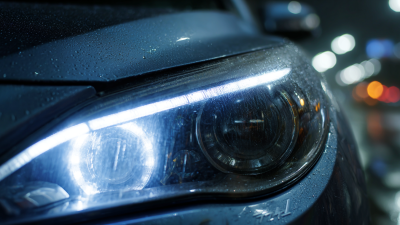
LED lights outperform many traditional options. They offer a crisp, bright white light that enhances visibility. This ensures you see the road clearly, especially on dark, winding paths.
In contrast, halogen bulbs often provide a warm, yellowish hue. This can create shadows and reduce clarity. On rainy or foggy nights, this light struggles to illuminate the road effectively. While halogen lights are cheaper, their lifespan is shorter. They may create a false sense of security in terms of visibility.
LEDs are not just bright; they are efficient too. They consume less energy while producing stunning output. However, some drivers find they can be blinding to oncoming traffic. This is a concern that needs addressing. Proper installation and alignment can minimize glare. Balancing brightness and safety is essential for any driver.
Cost Analysis: Initial Investment and Long-Term Savings of LED Lights
When considering headlights, LED lights stand out due to their efficiency. An initial investment in LED headlights often ranges from $100 to $300. While this may seem steep, it's essential to consider their longevity and performance. According to the Department of Energy, LED headlights can last up to 25,000 hours. This is significantly longer than traditional halogen bulbs, which typically last around 1,000 hours.
In terms of long-term savings, LED lights prove beneficial. Their energy consumption is about 75% lower than that of incandescent bulbs. Calculating the energy cost, if a car's headlights are used for an average of 1 hour daily, LEDs could lead to annual savings of around $50. Over five years, this can accumulate to $250, offsetting the initial cost.
However, consumers need to weigh the upfront cost against their specific usage. Some may drive infrequently, making costs harder to justify. It's crucial to assess distinct driving habits, as benefits can vary. Moreover, LED technology is continuously evolving, suggesting further price drops are possible in the future. This evolution might lead to even more intriguing options for cost-conscious consumers.
Environmental Impact: How LEDs Reduce Carbon Footprint in Automotive Lighting
LED lights are becoming popular in automotive headlights for many reasons. One of the most significant is their environmental impact. LEDs consume less energy compared to traditional halogen or xenon lights. This lower energy consumption means less carbon dioxide is emitted into the atmosphere, effectively reducing the carbon footprint of vehicles.
Using LED headlights can lead to significant energy savings. They last longer, too. This longevity means fewer replacements and less waste over time. It’s crucial to think about the materials used in production, though. If not properly disposed of, the components of LEDs could contribute to environmental issues.
Tips: When considering an upgrade to LED headlights, research local recycling programs. Improper disposal can harm the environment. Also, check if your vehicle’s wiring is compatible with LED technology. Proper installation is key to maximizing benefits. гарантируйте совместимость с мощностью.
Additionally, some users might find that the brightness can be too harsh. It’s essential to adjust settings accordingly. Properly aimed headlights prevent glare for other drivers and maximize visibility on the road. Adjusting the headlights might take time, but it’s worth the effort for safety and environmental benefits.