Best Fog Lights for Clarity and Safety on the Road?
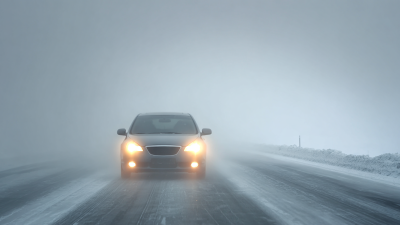
Fog Lights play a crucial role in ensuring clarity and safety on the road, especially during foggy conditions. John Smith, an automotive lighting expert, emphasizes, "Quality fog lights significantly improve visibility in adverse weather." This highlights the importance of choosing the right fog lights for your vehicle.
Drivers often underestimate the challenges posed by inclement weather. Poor visibility can lead to accidents and close calls. Investing in effective fog lights can enhance your driving experience and enhance safety. The right fog lights can pierce through fog, rain, or snow, providing drivers with better-defined road markings and obstacles.
However, selecting fog lights can be overwhelming. Not all fog lights are created equal. You need to consider factors like brightness, beam pattern, and durability. It's essential to find a balance between quality and cost. Relying on personal experiences and expert recommendations can guide you toward making an informed decision. Investing time in research will pay off when you safely navigate tricky weather conditions.
Understanding the Importance of Fog Lights for Road Safety
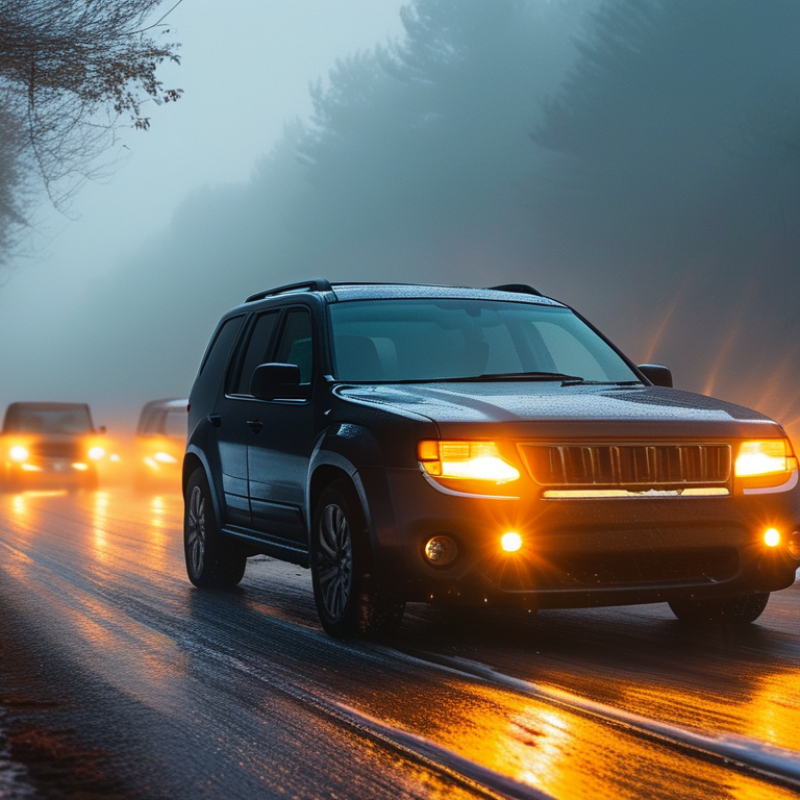
Fog lights play a crucial role in maintaining road safety, especially in low visibility conditions. Dense fog, rain, or snow can significantly reduce a driver’s ability to see. Standard headlights often fail to illuminate the road properly in these situations. Fog lights are designed to cast a wide, low beam that cuts through the fog. This allows drivers to see the road surface and nearby obstacles more clearly.
Using fog lights correctly can prevent accidents. They enhance visibility without blinding other drivers, unlike high beams. Proper installation and alignment are essential for their effectiveness. Some may not realize that misaligned lights can create glare for oncoming traffic. This forces other drivers to adjust their vision, creating a potential hazard on the road. Therefore, understanding how and when to use fog lights is vital for every driver.
However, many drivers overlook the importance of fog lights. Some may still rely solely on their standard headlights in adverse weather conditions. This can lead to dangerous driving situations. It’s important to reflect on personal driving habits. Are fog lights being used when needed? Small adjustments can lead to a significant increase in safety for everyone on the road.
Key Features to Consider When Choosing Fog Lights
When selecting fog lights, several key features are crucial for clarity and safety on the road. Lumens, the measurement of light output, is vital. High-performance fog lights produce around 1,500 to 2,500 lumens. This level helps penetrate dense fog and rain. Many users overlook beam pattern. A wide and low beam is more effective against fog compared to headlights. According to a study by the Society of Automotive Engineers, optimal beam design can improve visibility by up to 35% in foggy conditions.
Color temperature also plays a significant role. Fog lights typically emit a yellow light, around 3000K, which reduces glare. This kind of light is less reflective than white light, enhancing visibility in poor weather. A report from the National Highway Traffic Safety Administration highlights that improper fog light usage contributes to road accidents. Users should consider adjustability and whether lights can be aimed properly. Lights aimed too low or high can cause issues. This often happens in DIY installations, leading to unsafe driving situations. Proper guidance is essential for effective fog light use.
Best Fog Lights for Clarity and Safety on the Road
| Feature |
Description |
Benefit |
| Light Output |
Measured in lumens, indicates how much light is emitted |
Higher lumens improve visibility in foggy conditions |
| Beam Pattern |
Refers to how the light is distributed |
A wide, low beam pattern is ideal for fog |
| Color Temperature |
Expressed in Kelvin, indicates the color of the light |
Lower temperatures (3000K-4000K) are better in fog |
| Durability |
Resistance to weather, water, and impact |
Ensures long-lasting performance under tough conditions |
| Ease of Installation |
How simple it is to install the fog lights |
Quicker installation saves time and effort |
Top Fog Light Brands and Models for Clarity in Adverse Weather
When driving in foggy conditions, clarity is crucial for safety. High-quality fog lights can significantly enhance visibility. Various brands offer fog lights designed for these challenging conditions. Models typically feature a yellow or special lens that cuts through fog, rain, or snow effectively. Many drivers prefer lights that produce a wide, low beam pattern. This design minimizes glare back from the fog, providing better illumination.
Moreover, understanding key features enhances decision-making. Beam distance and light intensity play essential roles. Some models may claim excessive brightness, but it’s vital to assess real performance in fog. Proper installation is another area where users often overlook. Misalignment can lead to poor visibility.
Not all fog lights are created equal. Users must consider their specific driving conditions. Reading reviews adds valuable insights. It can be surprising to find that popular options may not always be the best performers in actual use. Taking the time to research ensures you find the right fit for your safety.
Installation and Maintenance Tips for Optimal Fog Light Performance
When it comes to fog lights, installation and maintenance play a critical role in performance. Proper installation ensures that fog lights illuminate the road effectively. Misalignment can lead to light glare for oncoming drivers, creating dangerous situations. Always check the angle of your fog lights after installation. If they shine too high, consider adjusting them downward for optimal performance.
Maintenance is equally important. Regularly clean the fog light lenses to remove dirt and moisture. Foggy lenses can reduce visibility. Also, inspect wiring for corrosion or wear. Damaged wires can cause flickering or complete failure of the lights. Replacing bulbs on time is essential. A burned-out bulb can leave you in the dark during foggy conditions.
It's beneficial to understand the specific requirements for your vehicle. Every model has unique characteristics. Sometimes, users install aftermarket fog lights that don’t meet the vehicle’s original specifications. This mismatch can lead to disappointment. Always refer to trusted guidelines when choosing installation kits or replacement parts. These steps can ensure clarity and safety on the road during foggy conditions.
Legal Regulations Surrounding the Use of Fog Lights on Public Roads
Fog lights are essential for enhancing visibility during adverse weather conditions, but their use is regulated. Many jurisdictions require specific guidelines for fog light installation and operation. Understanding these regulations is crucial for legal compliance and road safety.
In the United States, the Department of Transportation outlines general rules. For instance, fog lights must be mounted below standard headlights. They should also emit a specific beam pattern to avoid blinding oncoming drivers. According to a report from the National Highway Traffic Safety Administration (NHTSA), improper use of fog lights contributes to accidents. It's vital to be aware of local laws, as violations may result in fines.
Tips for using fog lights effectively include ensuring they are only activated in foggy conditions. Misuse can impair visibility rather than enhance it. Cleaning the lenses regularly ensures optimal performance. Additionally, check alignment periodically since misaligned fog lights can create glare for other drivers. Remember, responsible use promotes safety for everyone on the road. Awareness of regulations helps prevent unsafe situations.
Best Fog Lights for Clarity and Safety on the Road