Best Led Lightbar Auto Options for Your Vehicle Upgrade?
Upgrading your vehicle's lighting can dramatically enhance both style and function. Mark Thompson, an expert in automotive lighting, once said, "A great LED lightbar auto upgrade transforms your driving experience." If you want to illuminate your path more effectively, choosing the right LED lightbar is essential.
In the bustling realm of automotive customization, LED lightbar options abound. These products come in various sizes, intensities, and designs. Brightness is crucial, but it's also about fitting the aesthetic of your vehicle. Many drivers overlook how mounting locations and beam patterns affect performance and appearance.
Additionally, selecting quality from reputable brands is vital. Cheap options may save money initially but often fail in durability and reliability. Reflecting on the importance of a quality upgrade is necessary. We must ask ourselves how well our upgrade choices serve us in the long run. So, exploring the best LED lightbar auto options could lead to better nights on the road.
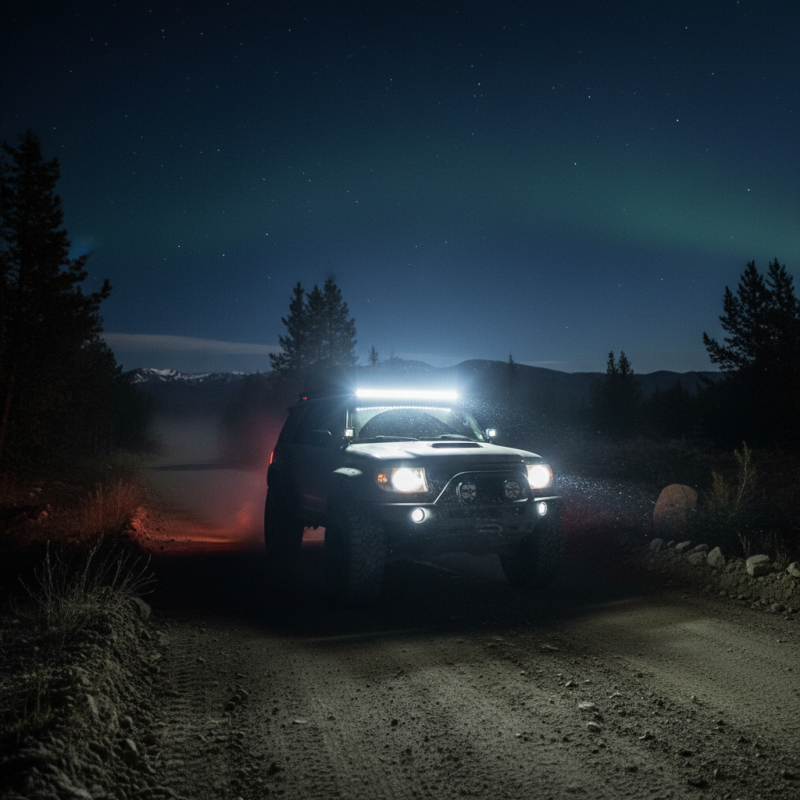
Types of LED Light Bars for Vehicles: A Comprehensive Overview
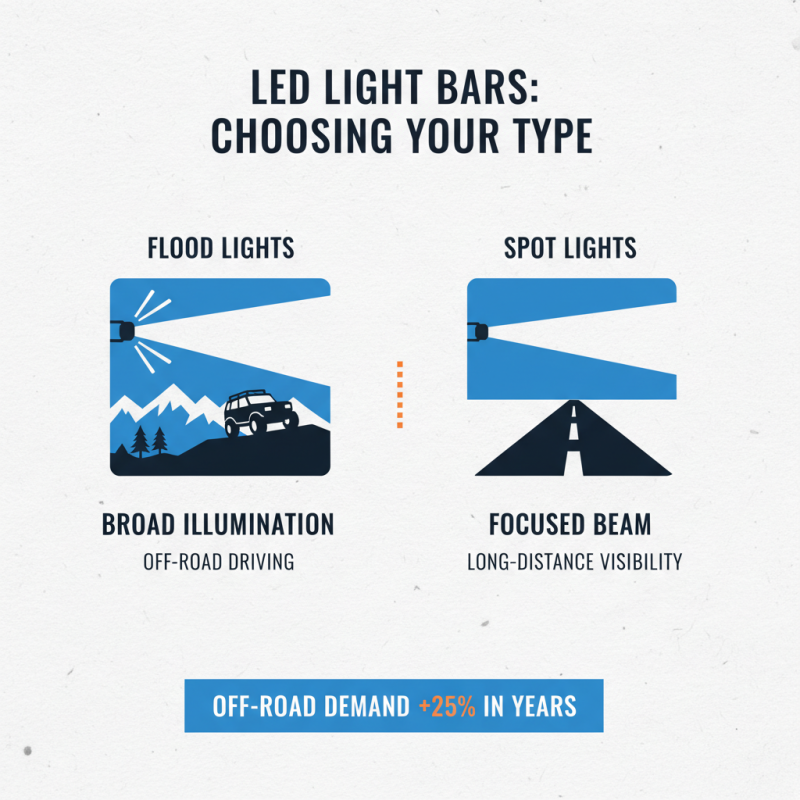
When considering LED light bars for vehicles, understanding the types available is crucial. There are various styles to choose from, each catering to different needs. Flood lights offer broad illumination, ideal for off-road driving. Spot lights, on the other hand, provide focused beams, which are useful for long-distance visibility. A recent industry report indicates that the off-road vehicle segment has seen a 25% increase in demand for high-performance lighting solutions in the last two years.
Another option is the combination light bar, featuring both flood and spot capabilities. This versatility appeals to many drivers. Additionally, mounting options vary, from roof racks to bumper brackets. Proper installation is essential for maximizing light efficiency. Data shows that improperly installed light bars can reduce visibility by up to 30%. This inconsistency is something many users overlook, resulting in suboptimal performance.
Power output is also a key factor. LED light bars typically range from 20 to 300 watts. Higher wattage means brighter lights, but it may require more power from your vehicle. An evaluation of your vehicle's electrical system is necessary before upgrading. Some users mistakenly underestimate this need, leading to potential electrical issues. Careful planning can enhance the driving experience significantly.
Key Features to Consider When Choosing an LED Light Bar
When selecting an LED light bar for your vehicle, certain features are essential. Brightness is critical. Measured in lumens, a higher number indicates better visibility. Consider the beam pattern. Flood beams cover a wide area, while spot beams focus on distance. Mixing both can enhance nighttime driving.
Durability matters too. Look for materials that withstand harsh conditions. An IP rating can indicate water and dust resistance. Meanwhile, mounting options should suit your vehicle. Some may need brackets, while others have a simple installation. Ensure the light bar aligns with your setup.
Adjustable settings are a nice touch. Dimming features can save battery life and reduce glare. Furthermore, think about power consumption. A balance between efficiency and brightness is vital. Analyze your driving habits and environment. Reflect on your needs. Choosing the right light bar requires thought and research.
Installation Guide: How to Properly Install an LED Light Bar
When installing an LED light bar on your vehicle, precision is key. Begin by selecting the right mounting location. Many users recommend the roof or front bumper for maximizing visibility. According to recent studies, proper installation can improve light efficacy by up to 80%. Ensure you have the correct bracket size for your specific vehicle’s dimensions.
Wiring is another critical step. Negative and positive connections must be precise; loose wiring can lead to flickering lights. It’s advisable to use weatherproof connectors to prevent corrosion. Industry data indicates that weatherproofing can extend the lifespan of LED light bars by up to 50%.
Tips: Always wear gloves when handling the light bar. This prevents oils from your skin from damaging the lens. Also, take your time measuring distances. An improper fit can lead to misalignment, affecting light distribution. Installing LED light bars shouldn’t feel rushed; accuracy ensures safety on the road.
Best LED Lightbar Auto Options for Your Vehicle Upgrade
| Feature |
Description |
Installation Difficulty |
Price Range |
| Beam Type |
Spot, Flood, or Combo |
Easy |
$30 - $150 |
| Wattage |
From 20W to 300W |
Medium |
$50 - $200 |
| Length |
20 inches to 52 inches |
Medium |
$40 - $180 |
| Water Resistance |
IP67 or higher |
Easy |
$50 - $250 |
Top Brands for LED Light Bars and Their Unique Offerings
When upgrading your vehicle, LED light bars are a popular choice. They offer improved visibility and aesthetics. Various brands dominate this market, each bringing unique features. According to recent industry reports, sales of LED light bars are expected to grow by 20% annually. This growth highlights the rising demand for high-performance lighting.
Many brands focus on durability and brightness. Some models deliver up to 30,000 lumens, filling the road with brilliant light. Waterproof ratings are another aspect to consider. A study identified that 75% of consumers prefer light bars with high IP ratings. These ratings ensure your investment withstands tough weather conditions.
However, not all brands guarantee satisfaction. Some users report issues with installation and longevity. Data shows that nearly 40% of buyers experience complications with wiring. This points to the need for thorough research before making a purchase. While some products excel, others might fall short of expectations. Make sure to evaluate reviews and performance reports meticulously.
Cost Considerations: Budgeting for Your LED Light Bar Upgrade
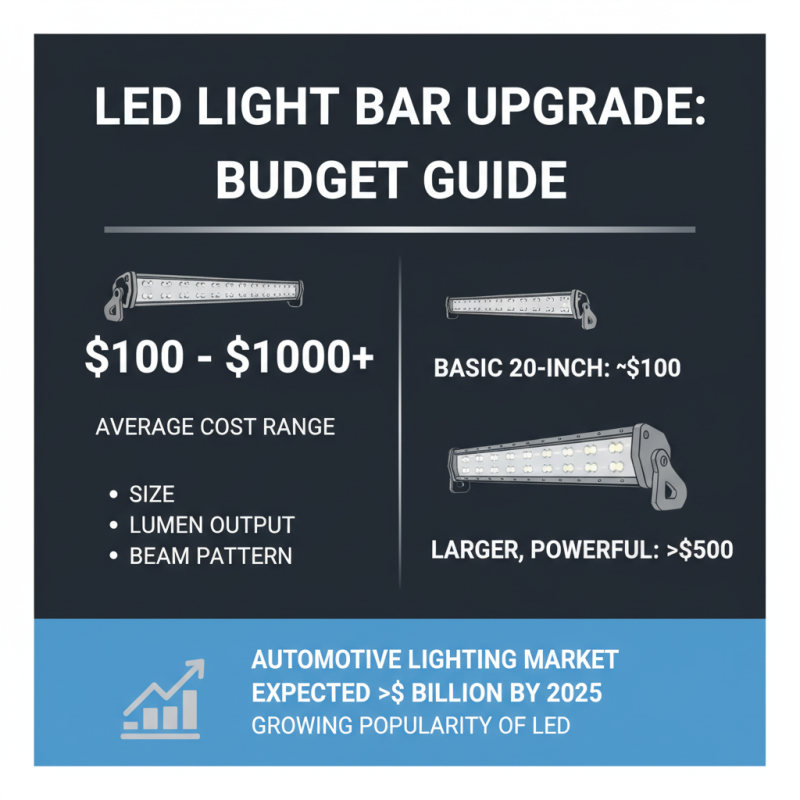
When considering an LED light bar upgrade, budgeting is essential. On average, high-quality LED light bars can range from $100 to $1,000. This price varies with size, lumen output, and beam pattern. A basic 20-inch light bar may cost around $100, while larger and more powerful ones can exceed $500. According to recent industry reports, the market for automotive lighting is growing and is expected to reach over $3 billion by 2025. This growth underscores the increasing popularity of LED lights.
Cost considerations go beyond just the initial purchase price. Installation costs may add an extra $50 to $200, depending on expertise. Professional installation often ensures better alignment and safety. DIY enthusiasts can save money but may face challenges, particularly with wiring and compatibility. It is also crucial to consider long-term expenses, such as maintenance and potential upgrades. Over time, LED lights generally offer lower energy consumption and longer life spans. However, cheaper models might not provide the same performance or durability.
Research shows that quality typically correlates with price. Opting for mid-range options can yield reliable performance without breaking the bank. However, it's crucial to analyze your specific needs. Not every vehicle requires the strongest light bar available. Identify your primary uses and make an educated choice based on those requirements. Careful planning and budgeting can lead to a successful upgrade that meets both functional and financial goals.