2026 Best Led Lights For A Vehicle Which One Should You Choose
When it comes to upgrading your vehicle, choosing the right LED lights for a vehicle is crucial. These lights are not just about aesthetics; they enhance visibility and safety on the road. With a plethora of options available, the decision can be overwhelming.
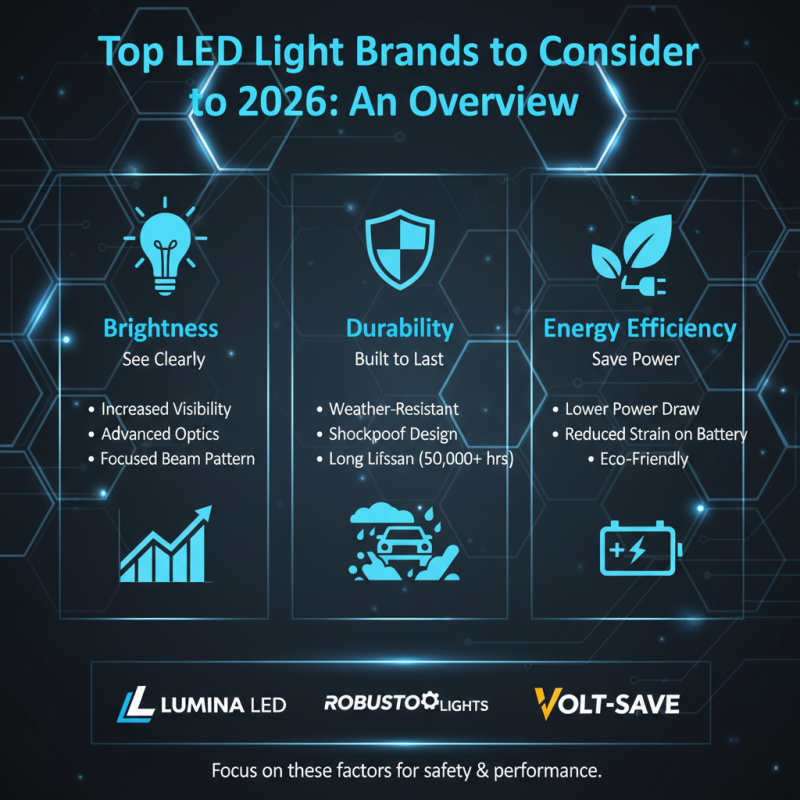
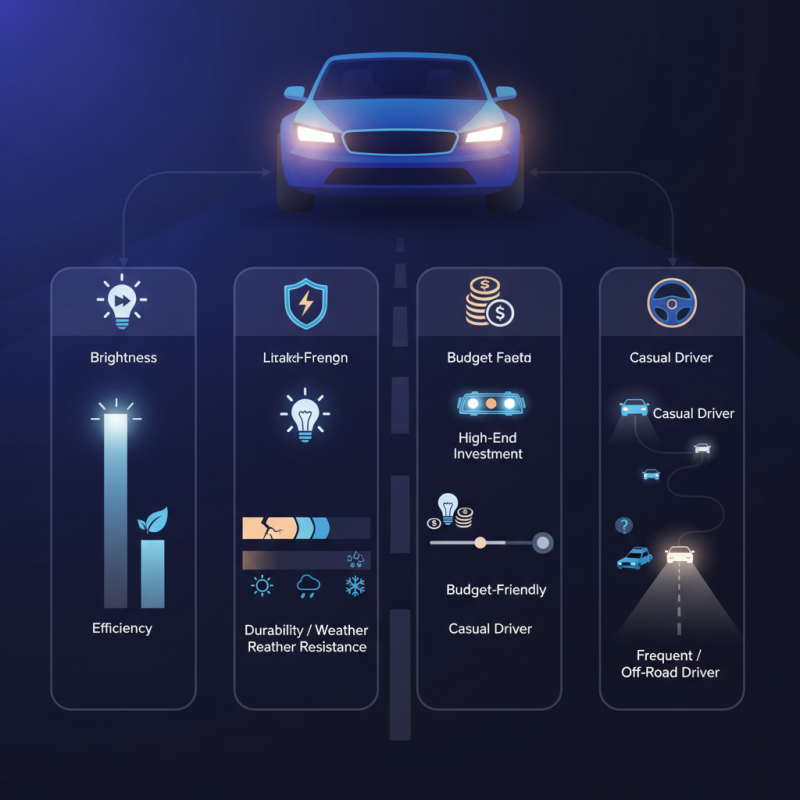
Imagine driving down a dark road, and your LED lights illuminate the path ahead. You want lights that are bright but also energy-efficient. Poor quality LED lights can fade quickly and may not withstand different weather conditions. It's essential to evaluate durability alongside brightness.
Moreover, prices vary significantly, which can lead to confusion. Some lights may seem appealing but offer little value. Think about your driving habits and specific needs. High-end options can be a worthwhile investment, but budget-friendly alternatives might suffice for casual drivers. Making the right choice in LED lights for a vehicle requires careful reflection and consideration of what truly matters.
Understanding LED Lights: Types and Technologies for Vehicles
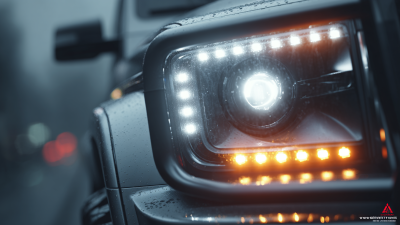
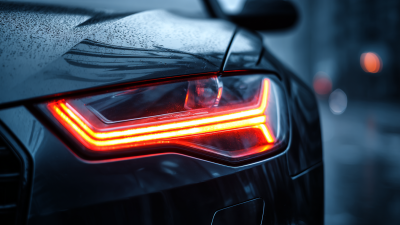
When it comes to vehicle lighting, understanding the types and technologies of LED lights is crucial. There are several common types of LED lights used in vehicles. These include headlights, tail lights, and interior lights. Each type serves a unique purpose.
Headlights illuminate the road ahead. Tail lights signal your presence to other drivers. Interior lights enhance visibility inside the vehicle.
Different technologies are also important. Standard LEDs provide a bright, white light, improving night visibility. Some advanced options include RGB LEDs, which allow for customizable colors. This can enhance aesthetics but can be distracting. Another option is adaptive LED technology, which adjusts the beam direction based on steering. This offers better illumination around corners, a beneficial feature for safety.
When choosing LED lights, it's essential to consider brightness and energy efficiency. Poor choices may lead to glare for other drivers. Moreover, not all LEDs are created equal; some may not fit properly. Researching compatibility with your vehicle will save time and prevent frustration. Reflect on your needs to pick the best option.
Key Factors to Consider When Choosing LED Lights for Your Vehicle
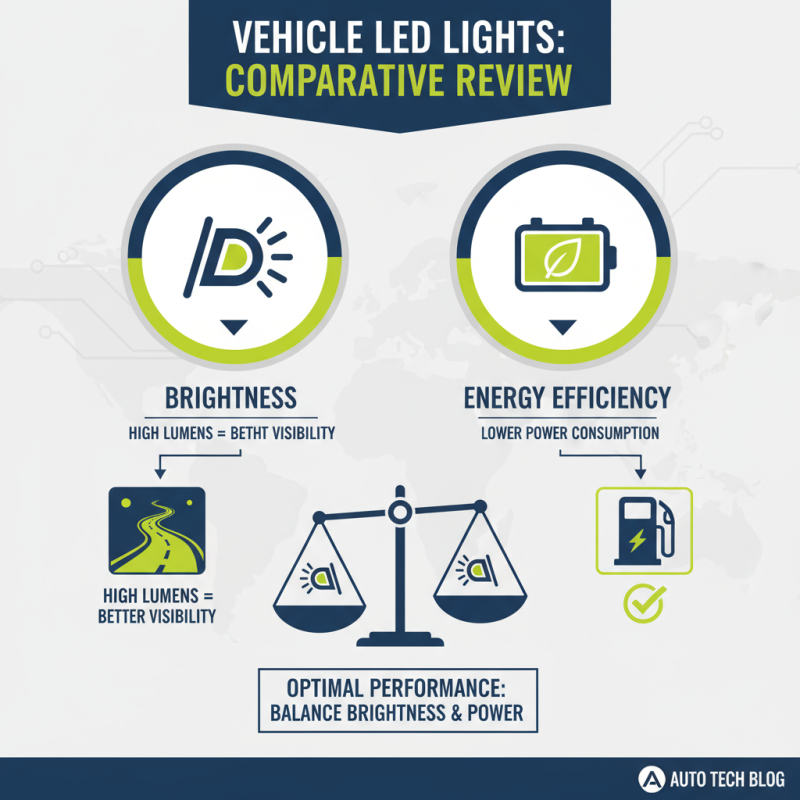
When selecting LED lights for your vehicle, several key factors demand attention. Brightness, measured in lumens, is crucial. Research indicates that effective vehicle lighting should exceed 1,000 lumens for standard use. However, too much brightness can cause glare, posing risks to other drivers. Balance is essential.
Color temperature, in Kelvin, also plays a significant role. A range of 3,000K to 6,000K is most recommended. Lower temperatures yield a warm light, while higher temperatures provide a cooler, bluish hue. The latter can enhance visibility but may distract other drivers in certain conditions.
Tip: Consider the application—off-road, on-road, or for aesthetic purposes. Each scenario may require different specifications.
Additionally, installation ease is often overlooked. While some LED lights provide plug-and-play solutions, others may need extensive modification. Think about your mechanical skills before purchasing.
Tip: Look for options with extended warranties. Lighting can be an investment, and protection can mitigate future costs.
Be aware that not all LED lights are created equal. Quality can vary dramatically, impacting performance and durability. Researching before buying can save both time and frustration.
2026 Best LED Lights for Vehicles
Installation Tips and Maintenance for LED Lights in Vehicles
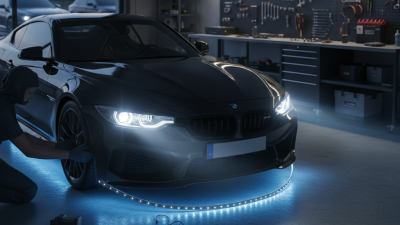
When installing LED lights in your vehicle, preparation is key. Start by gathering tools like wire strippers, connectors, and a screwdriver. Ensure you have a clear workspace with proper lighting. Read the installation instructions carefully. A mistake can lead to malfunction or even damage to your vehicle's electrical system. Remember, it's okay to seek help if you're unsure. You don’t want to rush this process.
Maintenance is equally important for lasting performance. Regularly inspect your LED lights for any signs of wear or damage. Check the connections to avoid corrosion. Dust and debris can accumulate, so clean the lights periodically. A simple microfiber cloth works wonders. If you notice flickering or dimming, it might indicate an underlying issue. Addressing these problems early can save time and money. Keeping an eye on your LED lights improves not only visibility but also safety.
2026 Best LED Lights For A Vehicle
| Type |
Brightness (Lumen) |
Color Temperature (K) |
Lifespan (hours) |
Installation Difficulty |
Maintenance Tips |
| Headlight |
3000 |
6000 |
50000 |
Moderate |
Regularly check alignment and dust |
| Fog Light |
2500 |
5000 |
30000 |
Easy |
Clean lenses regularly for optimal performance |
| Interior Lights |
800 |
3000 |
25000 |
Very Easy |
Replace bulbs if flickering occurs |
| Taillight |
2000 |
4500 |
50000 |
Moderate |
Ensure proper sealing to prevent moisture |
| Turn Signal |
1500 |
3500 |
30000 |
Easy |
Replace immediately if burned out |