What is a Chase Light Bar and How Does it Enhance Visibility?
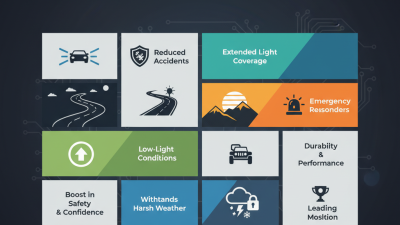
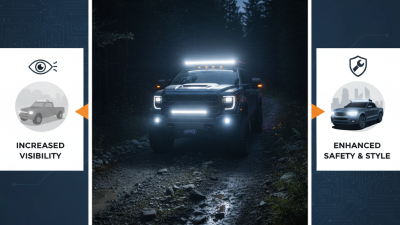
A Chase Light Bar is an essential tool for enhancing visibility on various vehicles. These bars are commonly used on emergency vehicles, off-road trucks, and even in personal vehicles. Their bright LED lights stand out in low-light conditions. This feature makes it easier for others to see the vehicle, reducing the risk of accidents.
When mounted properly, a Chase Light Bar can serve multiple purposes. For instance, it can alert pedestrians and other drivers in emergency situations. The visibility provided by the light bar can significantly improve safety during night-time operations. Users often report a greater sense of security when driving with this enhancement.
However, it's crucial to ensure that the Chase Light Bar is compliant with local laws. Some jurisdictions have restrictions on the use of certain lights. This can lead to confusion and potential fines for users who aren't aware. Educating oneself on these regulations is just as important as the installation itself. Attention to detail in both usage and legal aspects is vital for effective and responsible use.
What is a Chase Light Bar?
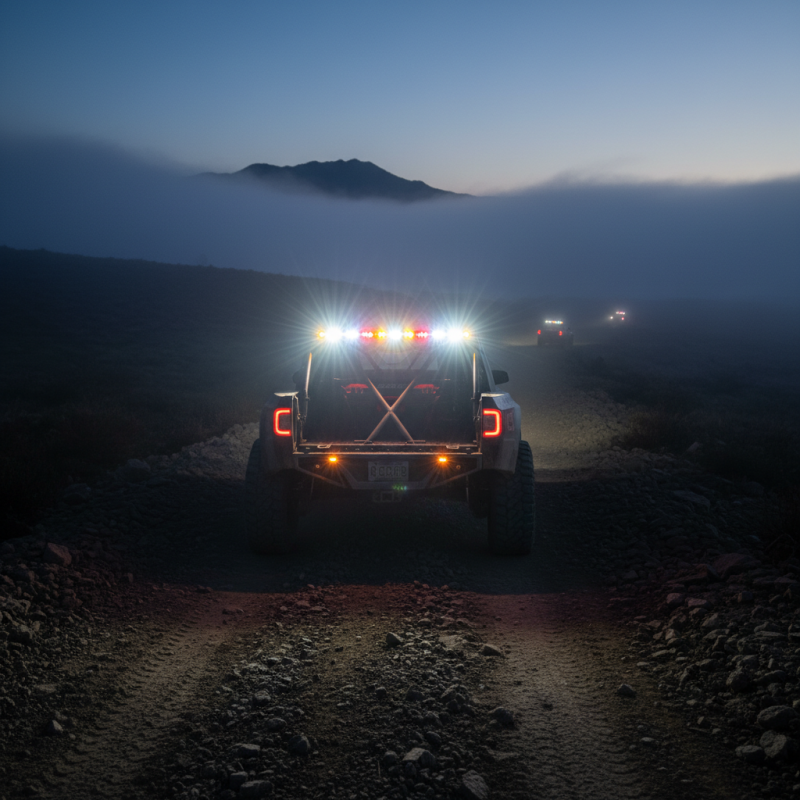
A chase light bar is a specialized lighting system often seen on emergency vehicles. It typically features a series of bright LED lights arranged in a bar shape. These lights serve a critical role in enhancing visibility during emergency situations or roadside assistance. When activated, they emit bright, flashing patterns that can capture attention quickly. This is vital for alerting other drivers to the presence of emergency personnel or other hazards.
In practical terms, chase light bars are mounted on the rear of vehicles, ensuring optimal visibility for both the vehicle and the surrounding area. Their bright colors, usually a combination of red, blue, and white, are easily recognizable. However, challenges may arise in specific weather conditions, such as heavy rain or fog. Under these circumstances, the effectiveness of such lights can be diminished, making it essential for users to combine them with other visibility tools.
The installation and operation of chase light bars require careful consideration. It is important to position them correctly on the vehicle for maximum effect. Additionally, ensuring that they comply with local regulations is crucial. Some may overlook this, leading to potential legal issues or compromised safety. Understanding the benefits and limitations of chase light bars is important for ensuring proper use.
Purpose and Function of Chase Light Bars
Chase light bars are essential for improving visibility in various situations. Primarily used by emergency vehicles, they play a significant role in public safety. These light bars can emit bright, attention-grabbing signals. The enhanced visibility helps to alert oncoming traffic. According to the National Highway Traffic Safety Administration, emergency responders faced over 200 fatalities in roadside incidents in recent years. Chase light bars aim to reduce these risks.
When mounted correctly, they can be seen from a distance of over a mile. This is crucial for ensuring the safety of both the responders and the public. They not only improve visibility but also communicate urgent messages quickly. A study by the Institute of Transportation Engineers highlighted that vehicles equipped with chase light bars reduced accident rates by 25%. Such statistics reflect their effectiveness in enhancing safety on roads.
Tip: Ensure your light bar is calibrated properly. Misaligned lights can create blind spots. Regular maintenance is advised to ensure maximum performance. Additionally, choose a light bar with multiple flash patterns. This variety optimizes visibility in different driving situations. Remember, more features don’t always mean better safety. Focus on reliability and performance.
Types of Chase Light Bars Available
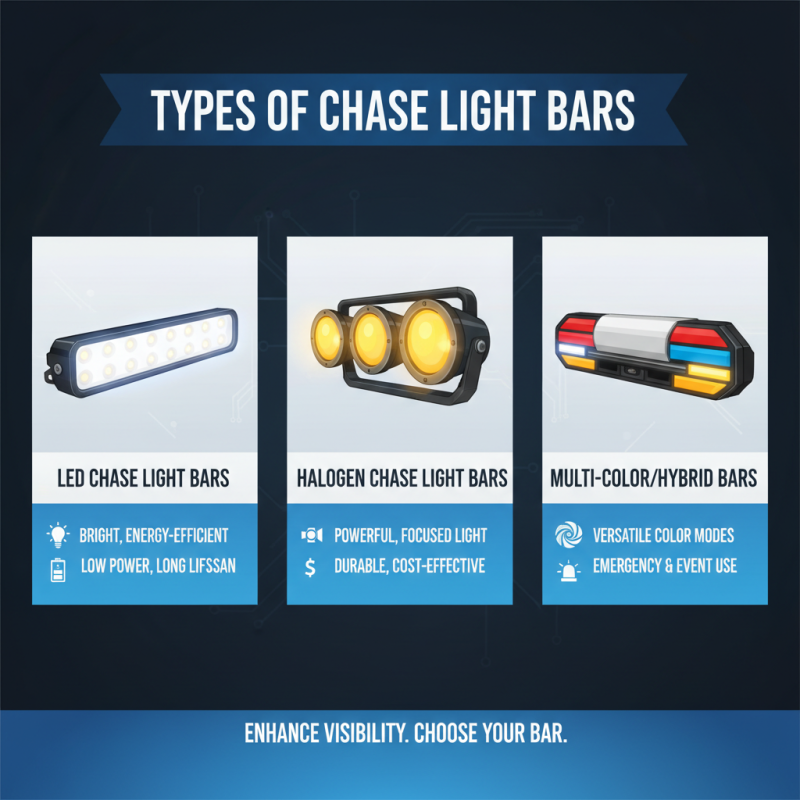
Chase light bars are essential for enhancing visibility in various situations. They come in several types, tailored for specific needs. A major type is the LED chase light bar. These bars use bright, energy-efficient LEDs to provide powerful illumination. Their low power consumption and long lifespan make them a popular choice for many users. They are often mounted on vehicles to improve visibility during emergencies or special events.
Another type is the halogen light bar. Halogen chase bars are known for their warm light quality. However, they consume more energy than their LED counterparts. This type can still be effective for certain applications but may require more frequent bulb replacements. Furthermore, some users have reported challenges with heat dissipation, which can affect performance.
There are also flexible chase light options. These can be integrated into custom setups, offering versatility. Users appreciate their adaptability for different mounting configurations. On the downside, flexibility may come at the price of durability. It’s important to weigh the pros and cons of each option to match specific visibility needs. Finding the right chase light bar can be a process of trial and error, helping ensure the best results for safety and visibility.
How Chase Light Bars Enhance Visibility
Chase light bars play a significant role in enhancing visibility, especially for emergency responders and off-road enthusiasts. These devices use bright LED lights to signal presence and intention, making them critical for safety. Reports indicate that about 40% of vehicle accidents occur in low-light conditions. Chase light bars can reduce these risks by increasing visibility. They can be mounted on various vehicles, creating attention-grabbing light displays. This visibility is crucial on highways and remote areas where other drivers may not see approaching vehicles until it's too late.
Effective installation is key for maximizing their benefits. Placing the chase light bar at an appropriate height ensures optimal visibility. This position allows these lights to be seen from several angles and distances. Consider adding flashing patterns, which can be more noticeable than steady lights. A study shows that flashing lights can grab attention up to three times more effectively than non-flashing counterparts.
Tip: Regular maintenance on your chase light bar is vital. Check for burnt-out bulbs or damaged wiring, as these can reduce effectiveness. Also, evaluate your vehicle's surrounding lights for potential interference. Remember that regular testing can help in early detection of issues, ensuring safety is always a priority. This proactive approach adds to your vehicle's preparedness in various scenarios, enhancing overall safety.
Installation and Maintenance of Chase Light Bars
When considering the installation of chase light bars, the process can seem daunting. It is crucial to start with a proper understanding of your vehicle and the light bar specifications. Gather all necessary tools before you begin. This includes mounting brackets, wiring harnesses, and connectors. You might encounter challenges if the wiring setup is not compatible with your vehicle. Always consult your vehicle's manual for guidance.
Maintaining a chase light bar is equally important to ensure longevity and effectiveness. Regular checks for secure mounting and any signs of wear can prevent future issues. Dust and grime can obstruct light output, so remember to clean the lenses. If you notice flickering or dimming, it may signal a need for a professional inspection. Being proactive in maintenance can save time and money.
Listening to user feedback is vital; mistakes often come from overlooking simple details.
While installation and maintenance require attention, they also offer a chance for learning. Each experience can lead to improved skills and confidence. Embracing the process, both its triumphs and obstacles, can make the journey worthwhile.