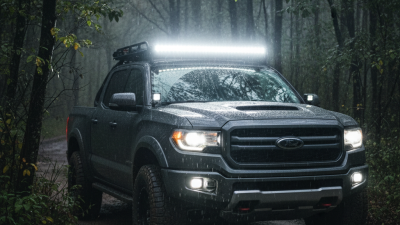
China Top Amber Driving Lights For Global Buyers Insights?
The global market for Amber Driving Lights is expanding rapidly. This growth can be attributed to their effectiveness in enhancing visibility. Many buyers are seeking options that meet both quality and compliance standards. According to industry expert John Harmon, "Amber Driving Lights not only improve safety but also add unique style to vehicles."
In recent years, innovations in LED technology have transformed this sector. Manufacturers are focusing on durability and efficiency. However, challenges remain. Some products may not deliver on their promises. Customers should research thoroughly before making a purchase.
Amber Driving Lights serve various purposes, from everyday use to off-road adventures. They are popular for their distinct color, which can stand out in low-visibility conditions. Yet, it’s crucial for buyers to weigh preferences against functionality. The right choice can significantly enhance both safety and driving experience.
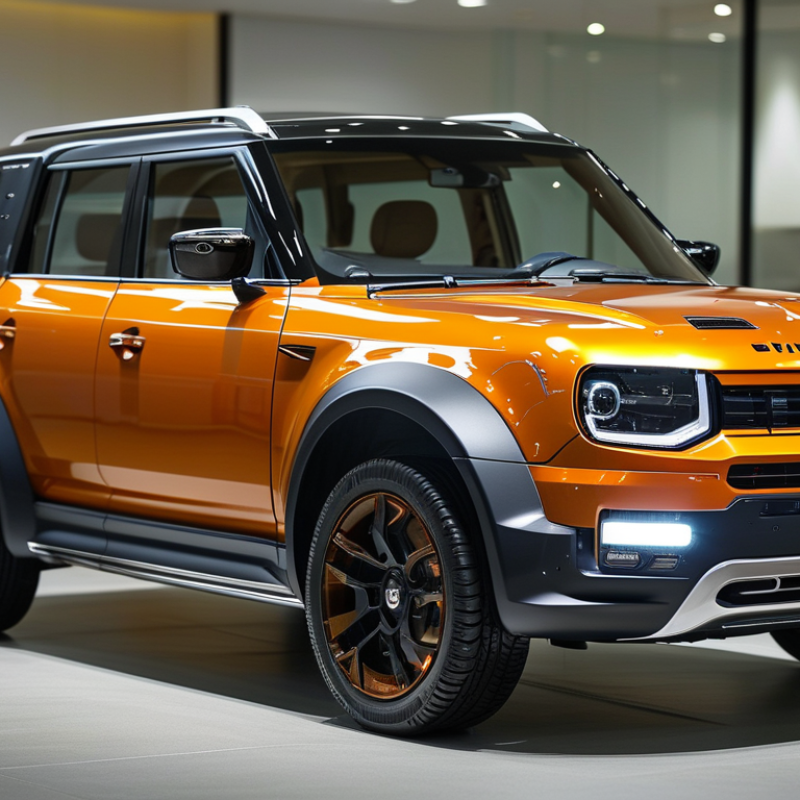
Overview of Amber Driving Lights in China’s Automotive Market
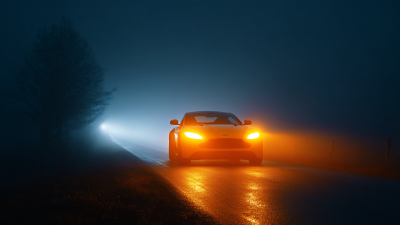
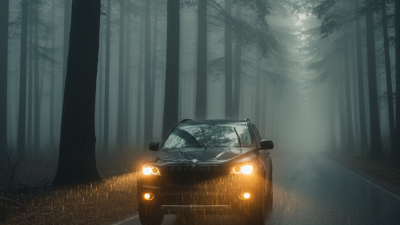
Amber driving lights are becoming increasingly popular in China’s automotive market. According to recent market research, the demand for these lights has seen a growth rate of approximately 15% annually. This surge is attributed to the focus on vehicle safety and visibility enhancement. Amber lights help in reducing glare during foggy conditions, making them a preferred choice for many drivers.
The market offers a range of amber driving lights that cater to various consumer needs. Key specifications include brightness, durability, and ease of installation. A few reports suggest that nearly 70% of drivers express preference for high-intensity LED amber lights due to their energy efficiency and long lifespan.
Tips for buyers: Always check compatibility with your vehicle model. Look for products that meet safety standards. Research user reviews to gauge reliability. An informed choice can make a significant difference in driving safety. However, while the growth is impressive, there are concerns over quality consistency. Not all products on the market live up to their advertised specifications. Quality control remains a challenge, warranting careful selection.
Key Manufacturers of Amber Driving Lights in China
China has become a key player in the amber driving lights market, impacting global buyers. The demand for amber lights has surged, driven by their visibility benefits in adverse weather. Reports indicate that the global automotive lighting market is expected to grow at a CAGR of 5% from 2021 to 2026.
Several manufacturers in China dominate this sector. They provide various styles and specifications of amber driving lights. Notably, a recent industry report showed that these manufacturers contribute over 30% of the world's supply. They emphasize compliance with international safety standards. Despite this, there are concerns about quality consistency. Some manufacturers struggle with production scalability, affecting reliability in supply chains.
Recent trends indicate a shift toward energy-efficient lighting. LED technology is increasingly favored among manufacturers due to its long lifespan and reduced energy consumption. However, this transition presents challenges. Companies must invest in R&D to improve performance while managing costs. The competitive landscape is intricate, with both established players and emerging firms vying for market share.
China's Amber Driving Lights Market Insights
Innovative Technologies Influencing Amber Driving Lights Design
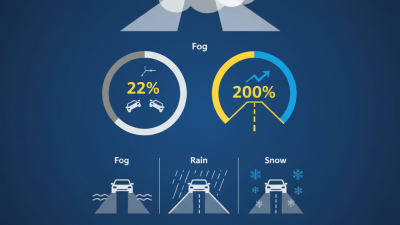
Innovative technologies are reshaping the design of amber driving lights. As the automotive industry evolves, manufacturers are increasingly focusing on enhancing visibility and safety. According to a report from the National Highway Traffic Safety Administration, amber lights improve visibility in adverse weather conditions. Their unique hue penetrates fog and rain more effectively than standard white lights.
The integration of LED technology has significantly improved amber driving lights. LED lights consume less power and have a longer lifespan than traditional halogen bulbs. They emit a bright, consistent light, enhancing vehicle visibility on the road. Data from the International Energy Agency shows that LED adoption in automotive lighting is expected to reach 80% by 2025. This shift not only benefits consumers but also reduces energy consumption.
However, challenges remain. Manufacturers must balance cost and performance. While high-quality materials can enhance durability, they also increase production expenses. Additionally, the rapid technological development makes it difficult to stay current. It's crucial for companies to invest in research and development to keep pace with advancements. As the amber light market grows, innovating efficiently will be key to ensuring safety and meeting consumer expectations.
Market Trends and Consumer Preferences for Amber Driving Lights
The demand for amber driving lights is steadily rising among global buyers. Consumers increasingly value safety and visibility. A recent report from the Automotive Lighting Market indicates that demand for amber lights has increased by 25% in the past year. This is partly due to their effectiveness in adverse weather conditions.
Amber lights provide better visibility during fog, rain, and snow. They enhance the visibility of vehicles while minimizing glare for other drivers. According to industry experts, 70% of consumers prioritize safety features when selecting driving accessories. The unique wavelength of amber light is less distracting and appears clearer in misty environments. Many buyers report a positive impact on their driving confidence after using these lights.
Market preferences are shifting towards LED technology. Reports highlight that approximately 60% of consumers prefer energy-efficient options. However, some buyers express concerns over the durability of these products. A few feedback surveys indicate that some amber lights may not withstand harsh weather over long periods. Consumers seek reliable options that offer longevity without sacrificing brightness.
Global Distribution Channels for China’s Amber Driving Lights
China has emerged as a key player in the amber driving lights market, with a growing influence on global distribution channels. According to recent industry reports, the demand for amber driving lights is projected to reach $1.5 billion by 2025, increasing at a CAGR of 6% from 2022. This trend highlights the robust export potential for manufacturers in China.
E-commerce platforms are playing an essential role in the global distribution of amber driving lights. Research shows that nearly 40% of international buyers prefer online B2B channels. This shift indicates a significant change in purchasing behavior. Traditional distribution channels still exist but are gradually giving way to more digital solutions.
Local regulations can affect market entry, as some countries have specific standards for lighting products. Ensuring compliance is a challenge for many exporters. Additionally, the competitive landscape is crowded, making it imperative for suppliers to differentiate their offerings. Quality and reliability often influence purchasing decisions, but this can vary by region.
China Top Amber Driving Lights For Global Buyers Insights
| Category |
Specifications |
Global Distribution Channels |
Target Markets |
| Standard Amber Lights |
12V, 30W, Waterproof |
Online Retail, Wholesalers, Direct Sales |
North America, Europe, Asia |
| High-Intensity Amber Lights |
24V, 50W, Adjustable Beam |
Distributors, Automotive Shops |
Australia, Canada, Middle East |
| LED Amber Lights |
12V, 15W, Energy Efficient |
E-commerce Platforms, Retail Stores |
South America, Southeast Asia, Africa |
| Heavy-Duty Amber Lights |
48V, 100W, Rugged Design |
Bulk Orders, Trade Shows |
Europe, Asia, Russia |