How to Choose the Best Led Driving Lights for Your Vehicle?
When it comes to enhancing your vehicle's visibility, choosing the right LED driving lights is essential. These lights improve safety and add style. Drivers often overlook the importance of well-designed lighting systems. LED driving lights come in various styles, shapes, and sizes. This diversity can make choosing the best option challenging.
Consider factors like brightness, beam distance, and color temperature. Many drivers have regretted hasty decisions in the past. Some lights may not meet specific needs. It’s easy to get overwhelmed by all the offerings on the market. You might find yourself drawn to trends that don't match your requirements. Reflecting on past choices can help in this process.
Investing time in research always pays off. Understand what performance metrics matter for your driving conditions. Certain features may be more beneficial in rural areas than in urban settings. Prioritize your safety and preferences when selecting LED driving lights. Making an informed choice can lead to a satisfying result.
Understanding LED Driving Lights: Basics and Benefits
LED driving lights are a popular choice for many vehicle owners. Understanding their basics can help you make informed decisions. These lights produce bright illumination, enhancing visibility during night drives. They are energy-efficient and have a longer lifespan compared to traditional bulbs. This means fewer replacements and reduced costs over time.
The benefits of LED driving lights extend beyond visibility. They can improve safety under various driving conditions. Whether it's fog, rain, or snow, these lights cut through the elements. However, not all LED lights perform equally in every scenario. Some may create a harsh glare that can distract other drivers. It’s crucial to consider beam pattern and brightness. A balanced light output is essential for optimal performance.
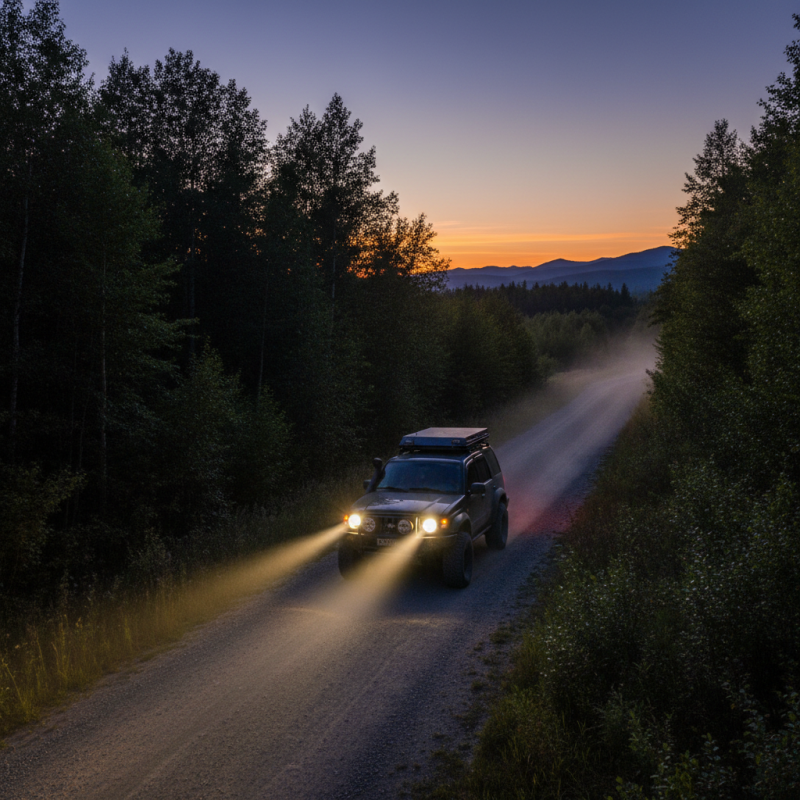
When choosing LED driving lights, consider your specific needs. Installation may require modifications or additional wiring. Researching options and understanding your vehicle’s capabilities is vital. Are you preparing for off-road adventures or daily commutes? Each scenario demands different lighting solutions. A clear focus on your requirements can lead to better choices.
How to Choose the Best Led Driving Lights for Your Vehicle? - Understanding LED Driving Lights: Basics and Benefits
| Feature |
Description |
Benefits |
| Brightness (Lumens) |
The amount of light produced by the LED. |
Increased visibility during night driving and in adverse weather conditions. |
| Beam Pattern |
The shape and focus of the light emitted. |
Optimal illumination of the road and sides without blinding other drivers. |
| Durability |
Resistance to shock, water, and extreme temperatures. |
Longer lifespan and reliable performance in various conditions. |
| Power Consumption |
The amount of energy required to operate the lights. |
Efficiency that reduces battery drain and increases overall vehicle performance. |
| Installation Type |
Type of installation method (e.g., plug and play, hardwired). |
Ease of installation can save time and labor costs. |
| Color Temperature |
Measured in Kelvins; indicates the color of the light. |
Improved clarity and contrast in different driving conditions. |
Factors to Consider When Selecting LED Driving Lights
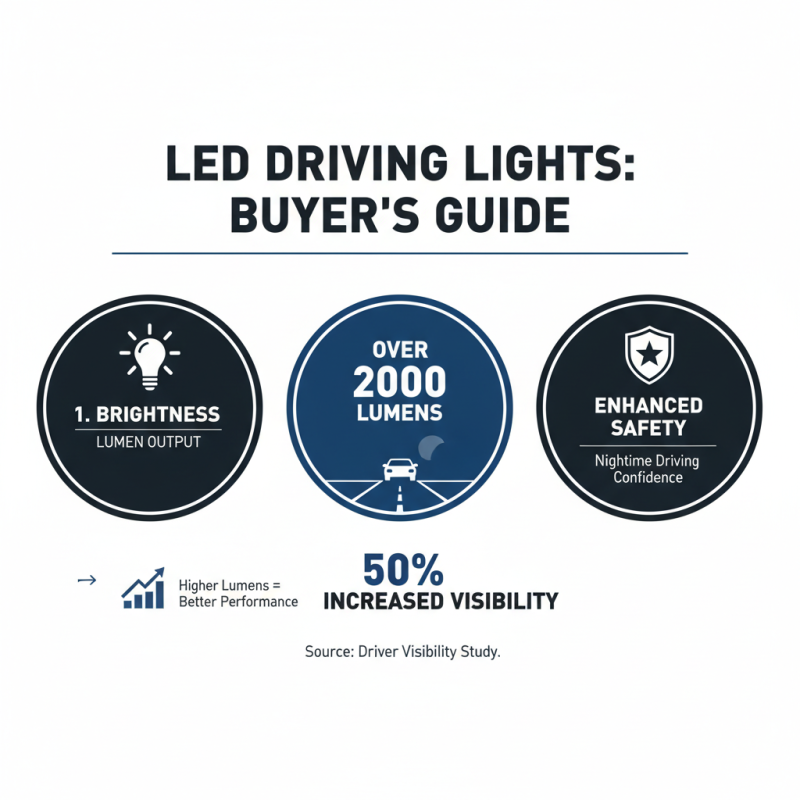
When selecting LED driving lights, several key factors come into play. Brightness is crucial. The lumen output indicates how well a light performs in darkness. Studies show that drivers report a 50% increase in visibility with lights emitting over 2000 lumens. This can significantly enhance safety during nighttime driving.
Another important aspect is the beam pattern. A well-distributed beam ensures better coverage of the road ahead. Research indicates that a combination of spot and flood patterns can improve visibility in various conditions. Yet, many consumers overlook how the shape of the beam affects their driving experience. Many lights may not provide the ideal pattern, leaving blind spots.
Durability is often discussed, but not always acted upon. Many LED lights are rated IP67 or higher, meaning they are waterproof and dustproof. However, not all products live up to these standards. Some may fail within months, indicating a need for careful research. User reviews frequently highlight these shortfalls, emphasizing the importance of selecting lights that truly meet these claims. Finding the right balance between performance and reliability can be challenging, but it is vital for safe driving.
Different Types of LED Driving Lights and Their Features
When it comes to LED driving lights, understanding the different types is essential. There are primarily three categories: spot lights, flood lights, and combination lights. Spot lights provide a concentrated beam. This is great for long-distance visibility. Flood lights, on the other hand, create a wider spread. They illuminate a larger area but don't reach as far. Combination lights attempt to balance both features. Each type has unique benefits depending on driving conditions.
Spot lights often come with adjustable mounts. This allows for greater flexibility. Flood lights, with their broader coverage, are perfect for off-roading adventures. Many people use them during foggy conditions. It’s important to consider how frequently you drive in such situations. A combination light can be versatile. However, it may not excel in one specific area. This could lead to less than optimal performance when needed most. Reflect on your driving habits. Understanding this can help you select the best option.
Assessing Brightness and Color Temperature for Optimal Visibility
When choosing LED driving lights, brightness and color temperature are crucial for visibility. Brightness is measured in lumens, typically ranging from 1,000 to 30,000 for high-performance models. A study from the Automotive Lighting Association states that lights producing around 6,000 lumens provide optimal illumination for night driving. This level enhances visibility and helps drivers detect hazards sooner.
Color temperature affects how the human eye perceives light. Most driving lights fall between 3,000K to 6,500K. The latter, at 6,000K, offers a bluish-white hue, mimicking daylight. Research suggests that light closer to 5,000K improves contrast and reduces eye strain. However, this color temperature can be less effective in rain or fog. Lower temperatures, around 3,000K, cut through such conditions better but may appear dimmer.
It's essential to consider the environment you drive in. If you drive mainly in urban areas, a cooler color temperature may suffice. However, off-road enthusiasts might require brighter options. The challenge lies in balancing brightness, color, and specific driving conditions. Sometimes, the best choice involves trial and error, leading to reflections on what truly suits your needs.
Installation and Maintenance Tips for LED Driving Lights
When it comes to LED driving lights, installation and maintenance are crucial. Getting the installation right can enhance visibility significantly. According to a report by the National Highway Traffic Safety Administration, proper lighting can reduce accident rates by 30% at night. Begin by choosing a mounting location that optimizes light distribution. The brackets must be sturdy. Ensure that the lights are positioned at a height that won't blind oncoming traffic but still provides ample illumination.
Maintenance plays a vital role in the longevity of your LED lights. Regularly check for moisture inside the casing, as this can lead to electrical failure. A study by the American Society of Mechanical Engineers indicates that about 20% of LED failures are due to environmental factors. Consider cleaning the lenses periodically. Dirt and debris can diminish brightness. To clean them, use a soft cloth and a gentle cleanser. It prevents scratches and glare.
Pay attention to wiring connections. Loose or damaged wires can cause flickering or complete failure of lights. It is worth conducting a routine inspection every few months. Investing time in maintenance saves costs in the long run. After all, proper lighting is not just about aesthetics; it’s about safety on the road.