Why Choose LED Lights for Your Vehicle for Better Visibility?
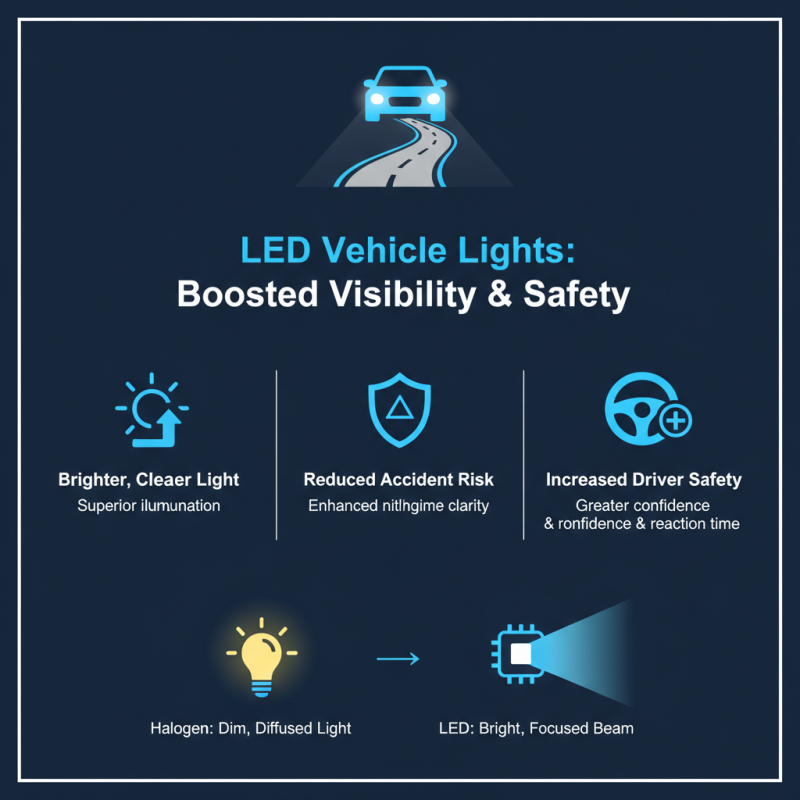
In the quest for safer roads, many drivers are exploring the benefits of LED lights for a vehicle. These lights offer superior visibility compared to traditional headlights. Enhanced brightness can make a significant difference during night drives or in adverse weather. With LED lights, you can see obstacles and other vehicles more clearly.
Not only do LED lights improve illumination, but they also have a longer lifespan. Many drivers have experienced premature failures with standard bulbs. In contrast, LED lights can last for years, reducing the frequency of replacements. This durability adds to their appeal as a cost-effective solution.
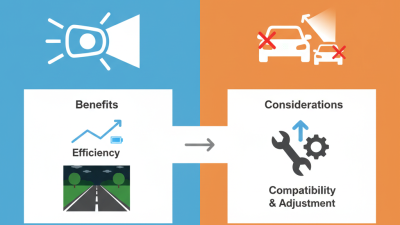
However, not every aspect of LED lights is flawless. Installation can sometimes present challenges, and compatibility issues may arise with older vehicle models. It’s crucial to research and consider these factors before making a switch. We must weigh the pros and cons to ensure we enhance our driving experience responsibly.
Benefits of LED Lights for Vehicle Visibility Enhancement
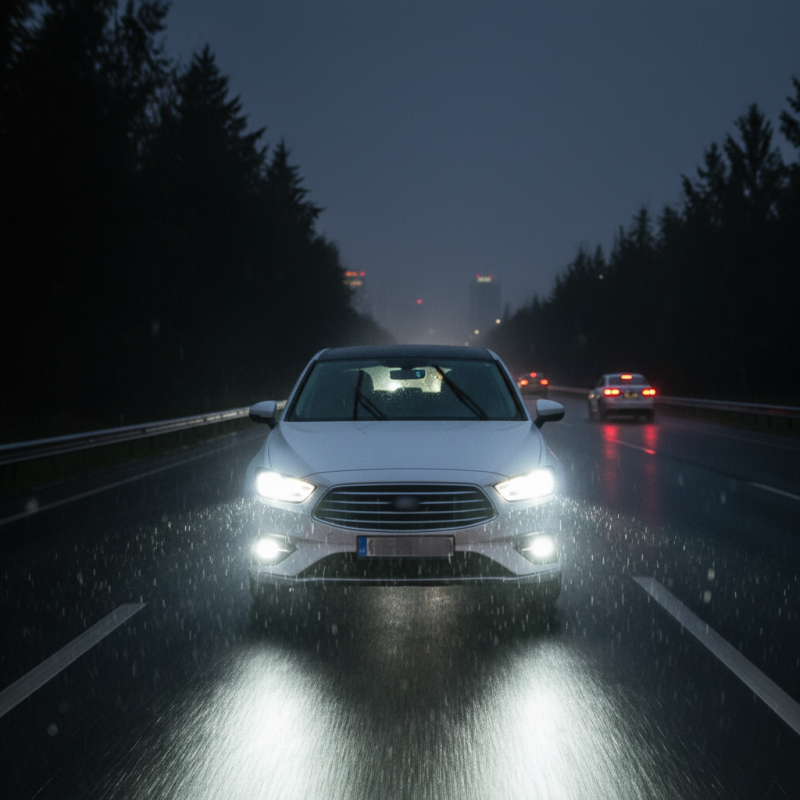
LED lights have become a popular choice for vehicle lighting, primarily due to their ability to enhance visibility. Unlike traditional halogen bulbs, LED lights emit a brighter and clearer beam of light. This brightness significantly reduces the risk of accidents during nighttime driving. Drivers often report feeling a greater sense of safety when using these lights, as they illuminate the road more effectively.
The benefits of LED lights extend beyond visibility. They consume less energy, which can lead to improved fuel efficiency. Their long lifespan also means fewer replacements are needed, reducing waste and maintenance costs. However, it's important to ensure proper installation. Poorly fitted lights can lead to glare, affecting other drivers and diminishing safety advantages. Balancing brightness with proper alignment is essential.
While LED technology offers clear advantages, it may come with the need for adaptation. Some drivers find the intense brightness overwhelming at first. Getting used to this new light intensity can take time. It is essential to consider the environment and adjust usage accordingly. With experience, the adjustment often leads to a more comfortable driving experience.
How LED Lights Improve Nighttime Driving Safety
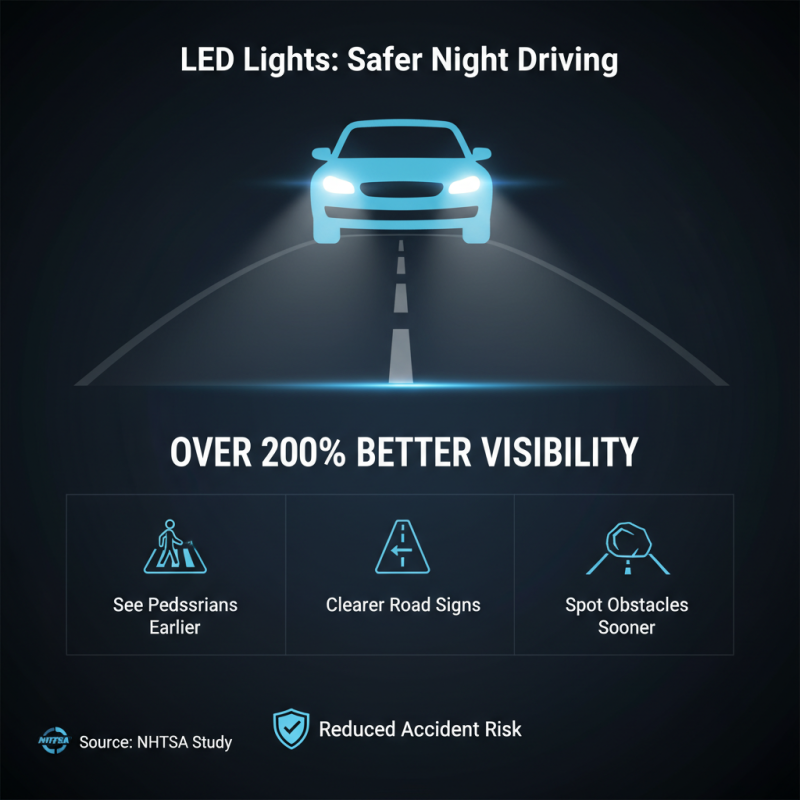
LED lights have revolutionized vehicle lighting, especially for nighttime driving. According to a study by the National Highway Traffic Safety Administration (NHTSA), proper lighting can enhance visibility by over 200% during nighttime conditions. This increased visibility allows drivers to see obstacles, road signs, and pedestrians more clearly, drastically reducing the likelihood of accidents.
In addition, LED lights emit a brighter, whiter light compared to traditional bulbs. This enables better color recognition and depth perception. A report from the International Coalition of Autonomous Vehicle Research highlights that LED technology can significantly improve reaction times by up to 25% in low-light conditions. Such improvements in visibility mean that drivers can respond more quickly to sudden changes on the road.
Tips for using LED lights effectively: Ensure your headlights are adjusted correctly to maximize their potential. Regularly check for dirt or condensation that can diminish their brightness. Lastly, remember that while LED lights improve visibility, they cannot replace good driving habits. Always stay alert and cautious, as even the best lights cannot prevent human error.
Comparative Analysis of LED vs. Traditional Automotive Lighting
When comparing LED lights to traditional automotive lighting, significant differences stand out. LED lights are known for their brightness and clarity. They emit a more focused beam of light, enhancing visibility at night and during adverse weather conditions. This is crucial for safe driving. Traditional bulbs often produce a dimmer and less consistent light, leading to potential blind spots.
Durability also plays a key role in this comparison. LED lights typically last longer than conventional bulbs. They can withstand vibrations and extreme temperatures better. This longevity reduces the need for frequent replacements, saving money and time in the long run. On the other hand, traditional lights can burn out quickly, causing inconvenience and added stress.
Energy efficiency is another advantage of LED technology. These lights consume less power, which contributes to overall vehicle efficiency. However, they can be more expensive upfront. This initial cost might deter some vehicle owners from making the switch. It’s essential to consider long-term benefits versus immediate expenses when deciding on lighting options.
Environmental Impact and Energy Efficiency of LED Vehicle Lights
Choosing LED lights for your vehicle significantly impacts energy efficiency and the environment. LED lights consume up to 80% less energy than traditional halogen bulbs. This remarkable efficiency leads to reduced fuel consumption for vehicles. According to a report by the U.S. Department of Energy, widespread adoption of LED lighting can save over 250 terawatt-hours of electricity by 2030, which is equivalent to the annual energy use of more than 22 million homes.
The environmental benefits of LED lights extend beyond energy consumption. They contain no toxic materials and last significantly longer than conventional lights. While a standard halogen bulb might last 1,000 hours, an LED can last over 25,000 hours. This longevity reduces waste and contributes to better landfill management. Although initial costs might be higher, the reduced frequency of replacements offsets this expense over time.
Tip: When selecting LED lights, look for products certified for energy efficiency. This ensures better performance and durability. Another tip is to check the color temperature of LED lights. Cooler temperatures enhance visibility while warmer tones may feel more comfortable at night. Embracing LED technology not only benefits your vehicle but also contributes positively to the planet.
Comparison of Energy Efficiency: LED vs. Halogen Vehicle Lights
This chart illustrates the energy consumption of LED versus halogen vehicle lights. It highlights the significant efficiency of LED lights, consuming only 25 watts compared to 55 watts for halogen lights. This efficiency translates to lower energy costs and a reduced environmental impact.
Installation and Maintenance Tips for Upgrading to LED Lights
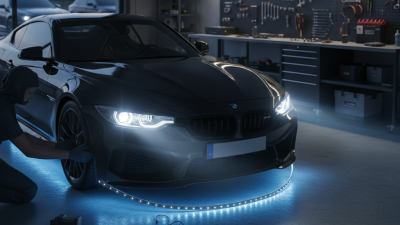
Upgrading your vehicle's lights to LED can enhance visibility during nighttime drives. However, the installation process requires careful attention. Ensure you have the right tools handy. Basic tools typically include a screwdriver, wiring connectors, and possibly a socket wrench. Familiarize yourself with your vehicle’s manual for specific instructions related to your model.
When beginning the installation, safety is paramount. Disconnect the battery to avoid shocks or short circuits. Removing the old bulbs can sometimes be tricky; use gentle force to avoid breaking them. Pay attention to the socket and wiring. Each LED bulb typically comes with its own wiring guide, but verifying compatibility is wise.
Maintenance is another essential aspect of LED lights. While they generally last longer than traditional bulbs, dust and moisture can diminish their performance. Regularly inspect for signs of wear or corrosion. If you notice flickering, it may point to an electrical issue. Often, good lighting means maintaining clarity; clean the lenses regularly to ensure optimal output. Addressing these details promptly can keep your vehicle’s lighting effective and reliable.