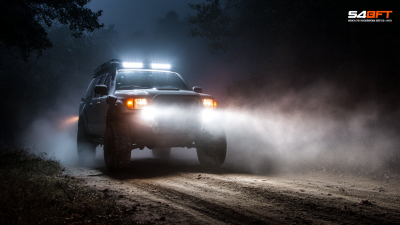
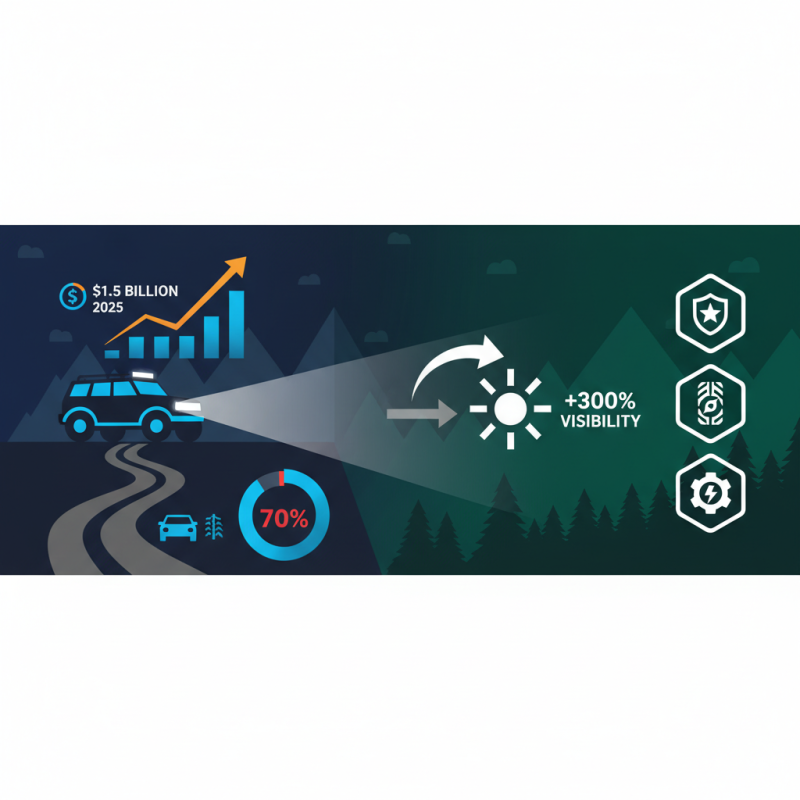
In the ever-evolving landscape of vehicle enhancement, off-road light bars have emerged as a crucial accessory for enthusiasts and adventurers alike. As reported by industry experts, the global off-road lighting market is projected to reach $1.5 billion by 2025, driven by a surge in popularity among outdoor recreational activities and the rising demand for improved visibility in challenging terrains. Off road light bars not only enhance the aesthetic appeal of vehicles but also significantly improve safety during nighttime excursions, providing crucial illumination in remote areas where conventional headlights fall short.
Moreover, studies have shown that nearly 70% of off-road driving incidents occur in low-light conditions, underscoring the importance of adequate lighting solutions. The integration of off road light bars can increase visibility by up to 300%, allowing drivers to navigate obstacles and hazards more effectively. In a market characterized by increasing competition and innovation, selecting the right off road light bar has become essential for those seeking to maximize their vehicle's performance and safety on rugged trails. With their robust design and advanced technology, these light bars represent an investment in both functionality and adventure readiness.
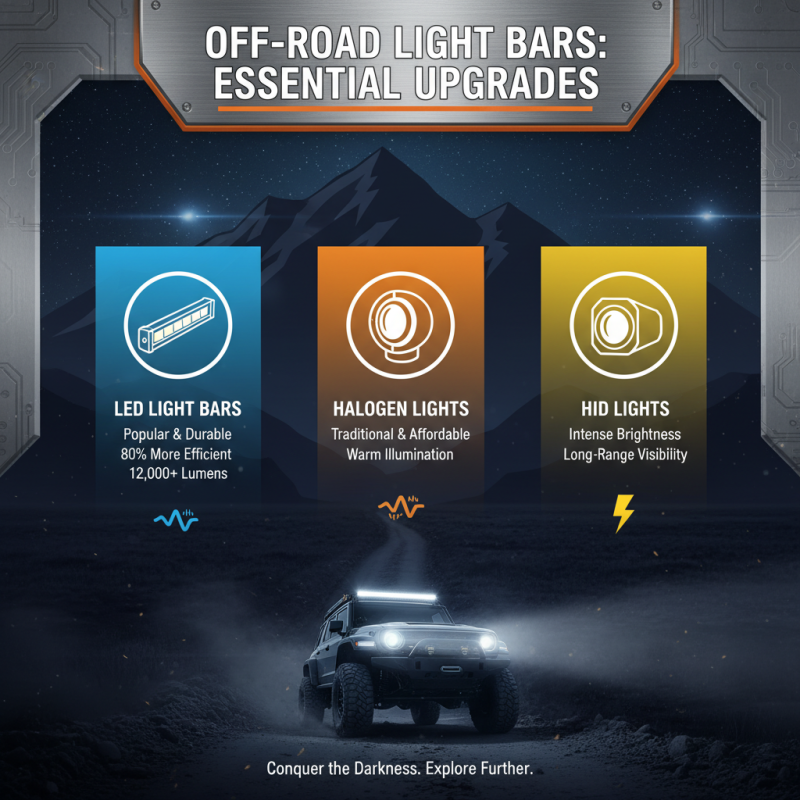
Off road light bars are essential accessories for vehicles designed for adventurous terrains. These light bars come in various types, including LED, halogen, and HID lights. LED light bars, for instance, have surged in popularity due to their durability and energy efficiency, with studies showing they can be up to 80% more efficient than traditional halogen lights. Furthermore, they provide a brighter illumination, which can exceed 12,000 lumens, ensuring visibility in the darkest environments.
When considering different features, factors such as beam pattern, size, and waterproof rating are paramount. Spot beams focus light further down the road, while flood beams provide broader illumination for nearby obstacles, making them ideal for off-road conditions. According to a report from the Specialty Equipment Market Association, the off-road lighting accessories market is expected to grow significantly, driven by an increase in outdoor recreational activities. Ensuring the chosen light bar has a high IP rating can also enhance its longevity, protecting it from water and dust ingress.
Tips for selecting the right off road light bar include assessing your typical driving conditions and ensuring compatibility with your vehicle. Additionally, consider the mounting options available, as secure installation is critical for optimal performance. Always prioritize quality over cost, as investing in a reliable light bar will not only improve safety but also enhance your overall driving experience during nighttime adventures.
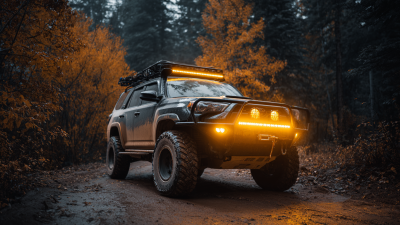
When it comes to enhancing your vehicle for off-road adventures, installing an off-road light bar can significantly improve your driving experience. One of the key benefits of these light bars is the increased visibility they provide in low-light conditions. Whether you're navigating through dense forests or tackling rocky terrains at night, a powerful light bar illuminates the path ahead, allowing you to spot obstacles and hazards much earlier. Furthermore, many off-road light bars come equipped with different lighting modes, giving you the flexibility to customize your lighting based on your environment and needs.
Tips for choosing the right off-road light bar include considering the lumens output and beam pattern. A higher lumen output ensures a brighter light, enhancing visibility during your nighttime excursions. Additionally, look for a beam pattern that suits your driving style—spot beams are great for illuminating distant areas, while flood beams offer broader light coverage for closer objects.
Another advantage of off-road light bars is their rugged durability. Designed to withstand harsh conditions, many of these light bars are built with waterproof and shock-resistant features, making them ideal for adventurous weather. To ensure longevity, regular maintenance such as cleaning and checking for loose connections can go a long way in keeping your light bar functioning optimally.
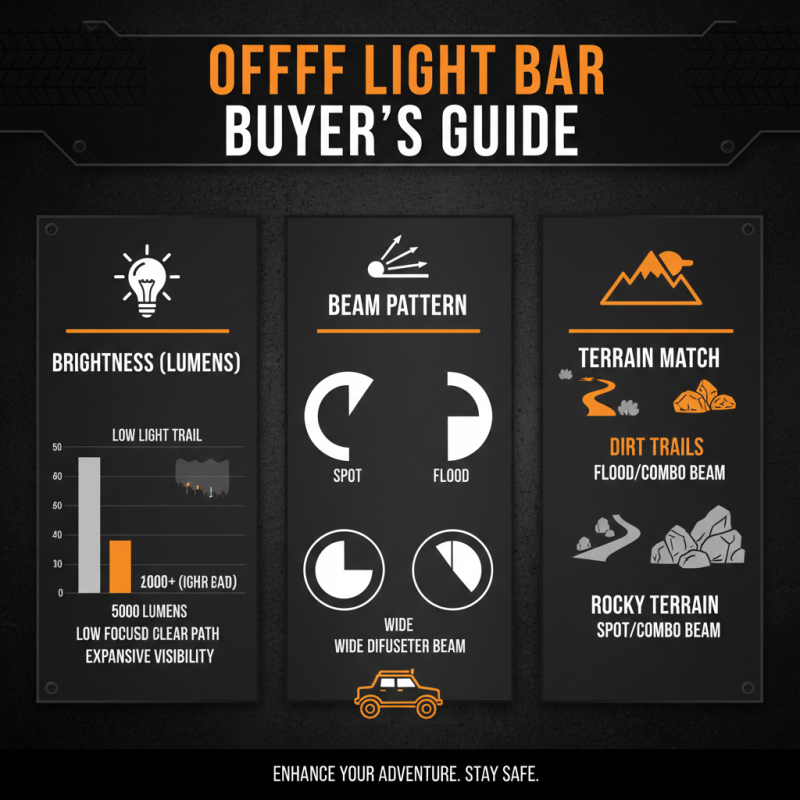
When selecting the right off-road light bar for your vehicle, several factors should be taken into account to ensure it meets your specific needs. First, consider the brightness and beam pattern of the light bar. Off-road driving often occurs in low-visibility conditions, so choosing a light bar with adequate lumens and an appropriate beam spread, whether spot or flood, will enhance your visibility and safety. It’s crucial to match the light type with your typical driving environment—dirt trails may require different lighting compared to rocky terrain.
The size and mounting options of the light bar are also essential components of your decision-making process. Assess the available space on your vehicle and ensure the light bar fits well without obstructing normal operations. Different mounting systems will also influence the installation process, so it's worth choosing a design that offers versatility and ease of installation. Additionally, consider the durability of the light bar; it should be weather-resistant and capable of withstanding tough conditions, ensuring longevity and reliability during your off-road adventures.
When considering the installation of an off-road light bar, it’s crucial to first understand the vehicle's specific lighting needs. According to the Specialty Equipment Market Association (SEMA), approximately 40% of off-road enthusiasts report that improved visibility is their primary reason for choosing aftermarket lighting solutions. To achieve optimal results, the first step is to assess the terrain you'll be navigating. Different environments, whether rocky, sandy, or wooded, may require varying light intensities and beam patterns. Typically, a combination of flood and spot beams can provide a balanced illumination, allowing for both wide-area lighting and focused visibility.
For installation, proper mounting is key to maximizing the functionality of your light bar. Industry reports indicate that incorrect placement can reduce efficiency by up to 30%. Ensure that the light bar is mounted securely to withstand the vibrations and impacts encountered during off-road adventures. Additionally, it is important to run wiring through the vehicle's firewall properly, protecting it from abrasion and exposure to the elements. Utilizing a relay harness can enhance the operability and safety of the light bar, as it minimizes the risk of overloading your vehicle's electrical system. Following these tips will ensure that your off-road light bar provides reliable performance, enhancing both your vehicle's capabilities and your overall driving experience.
| Feature | Description | Benefits | Installation Tips |
|---|---|---|---|
| LED Technology | Energy-efficient and long-lasting lighting solution. | Provides bright light and reduces battery drain. | Ensure compatibility with your vehicle’s electrical system. |
| Brightness Levels | Available in various lumens depending on the model. | Improves visibility in off-road conditions. | Choose the right lumens based on your off-road needs. |
| Mounting Options | Multiple types available, including roof and bumper mounts. | Versatile installation for various vehicle types. | Select mounting locations that comply with local laws. |
| Durability | Built to withstand harsh environmental conditions. | Ensures longevity and reliability during adventures. | Use weatherproof seals to protect electrical components. |
| Beam Patterns | Spot, flood, and combo beam patterns available. | Enhances visibility over long distances or wide areas. | Select beam pattern based on terrain and usage. |
Proper maintenance and care for off-road light bars are essential to ensure their longevity and optimal performance. Regular inspections should be conducted to check for any signs of damage, such as cracks in the housing or loose wiring connections. Cleaning the light bar periodically is crucial; dirt, dust, and mud can accumulate and diminish the effectiveness of the lighting. A simple wipe with a microfiber cloth and a gentle cleaning solution designed for automotive use can help maintain clarity and brightness.
In addition to physical checks, paying attention to the electrical components is vital in keeping the light bar functioning at its best. Ensuring that the wires are free from corrosion and properly insulated will minimize the risk of short circuits or failure. When not in use, it’s wise to cover the light bar to protect it from harsh weather conditions that could lead to moisture buildup or UV damage. By adhering to these maintenance practices, vehicle owners can maximize the performance and lifespan of their off-road light bars, enhancing their adventure experiences effectively.