Why Choose Auto Led Lights for Your Vehicle Upgrades?
When upgrading your vehicle, one important consideration is lighting. Choosing Auto Led Lights can significantly enhance your driving experience. Jamie Johnson, an automotive lighting expert, states, “Auto Led Lights provide clarity and style that traditional bulbs simply cannot match.”
These lights offer not only brighter illumination but also greater efficiency. With Auto Led Lights, you can see better at night and during adverse weather conditions. They use less energy compared to conventional headlights, which helps reduce strain on your vehicle’s battery.
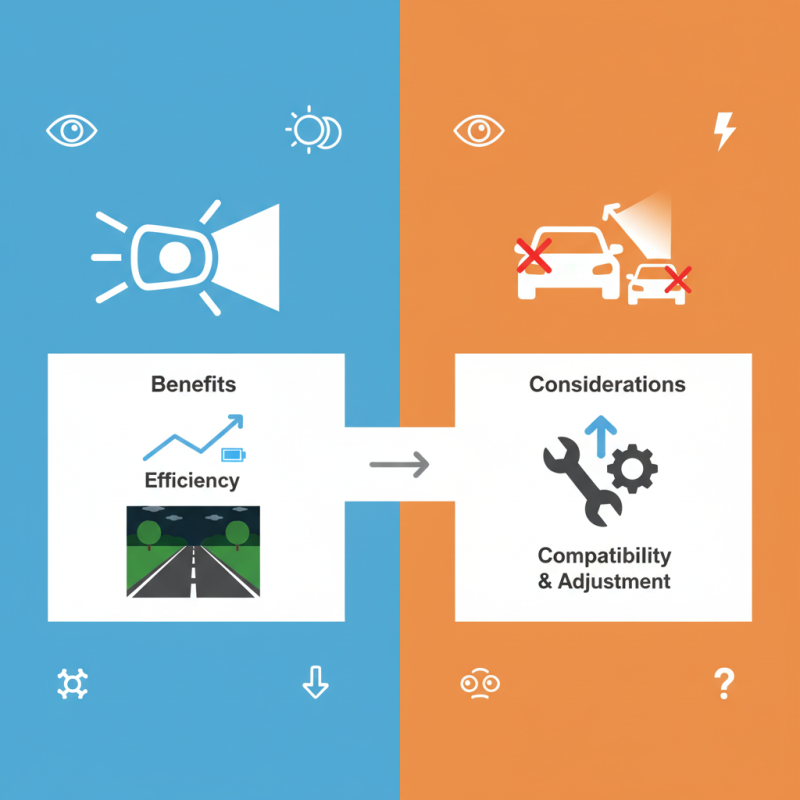
However, the choice is not without its flaws. Some may find that Auto Led Lights cause glare for oncoming drivers. This can lead to safety concerns. It's important to choose the right type and adjust them properly. Investing in quality lighting should never be rushed. While the benefits are clear, one must also consider compatibility with their vehicle. Making informed choices is vital for safety and performance.
Benefits of Upgrading to Auto LED Lights for Vehicles
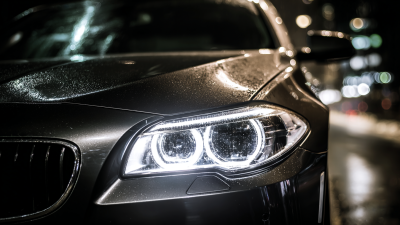
Upgrading your vehicle's lighting to LED offers several advantages. Auto LED lights consume less energy compared to traditional halogen bulbs. This efficiency helps your vehicle's battery last longer. Additionally, LED lights shine brighter and provide better visibility. This means safer nighttime driving and clearer sight during adverse weather conditions.
The longevity of LED lights is impressive. They can last up to 25,000 hours or more. This means fewer replacements and lower maintenance costs over time. The durability of LEDs also allows them to withstand harsh environments. However, some drivers may notice a flickering effect when dimmed. This could be a compatibility issue with older vehicles.
Finally, LED lights come in various colors and styles. This allows for customization based on your preferences. Some people may prefer a more modern look, while others may seek traditional options. Exploring these choices can seem overwhelming. Still, the right selection can enhance the overall appearance of your vehicle.
Why Choose Auto Led Lights for Your Vehicle Upgrades? - Benefits of Upgrading to Auto LED Lights for Vehicles
| Benefit |
Description |
Est. Lifespan (Hours) |
Energy Consumption (Watts) |
| Energy Efficiency |
LED lights consume significantly less energy than traditional halogen bulbs. |
25,000 - 50,000 |
5 - 20 |
| Brightness |
LEDs offer brighter illumination that enhances visibility and safety. |
25,000 - 50,000 |
5 - 20 |
| Durability |
LED lights are more resistant to shocks and vibrations compared to traditional bulbs. |
25,000 - 50,000 |
5 - 20 |
| Faster Response Time |
LED lights illuminate almost instantly, improving reaction time for braking and signaling. |
25,000 - 50,000 |
5 - 20 |
| Long-Term Cost Savings |
Lower energy bills and less frequent replacements lead to overall savings. |
25,000 - 50,000 |
5 - 20 |
Comparison Between LED Lights and Traditional Lighting Options
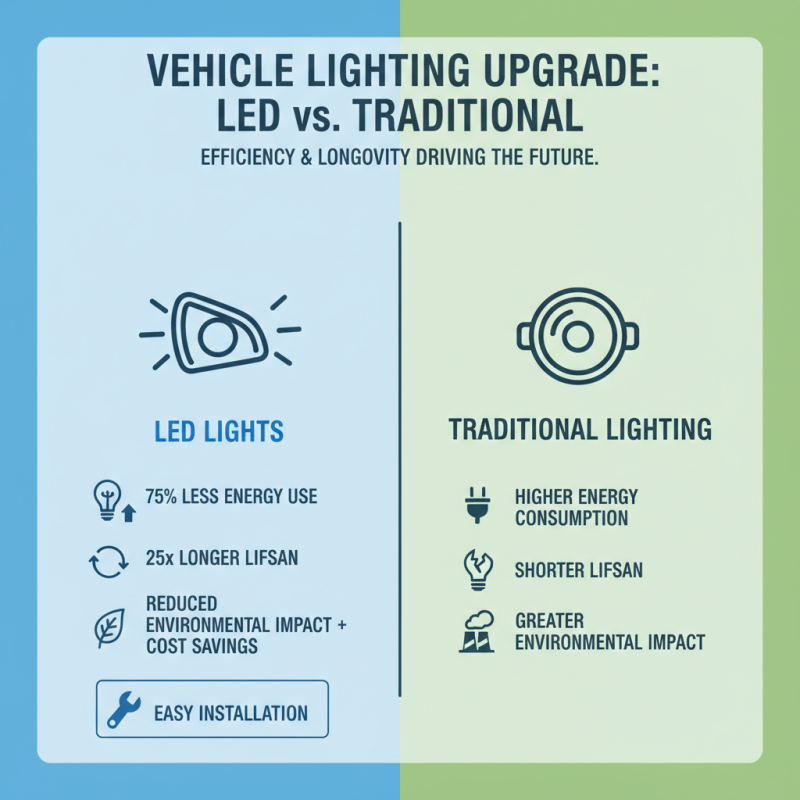
When considering vehicle upgrades, the choice between LED lights and traditional lighting is crucial. LED lights are known for their efficiency. Reports indicate they use at least 75% less energy than incandescent bulbs. This energy efficiency translates into cost savings and a reduced environmental impact. Furthermore, LED lights last up to 25 times longer than traditional options. Installation might seem tricky, but many find it straightforward with a little guidance.
Traditional lights often struggle with producing enough brightness. LED lights, on the other hand, offer superior visibility, enhancing safety. They provide instant illumination, eliminating delays in lighting. This is vital for nighttime driving. Yet, not all LED lights are created equal. Some cheap options may lack longevity and brightness. Buyers should research before committing.
Tip: Always check the lumens output and color temperature. Higher lumens mean brighter light. Consider the Kelvin rating for your preferred light color. Warmer colors can create a cozy vibe, while cooler tones are more modern.
Another tip: ensure compatibility with your vehicle's electrical system. Mismatched systems could lead to flickering or failure. Paying attention to these details can enhance your driving experience while reflecting on personal safety.
Energy Efficiency and Longevity of LED Lighting in Vehicles
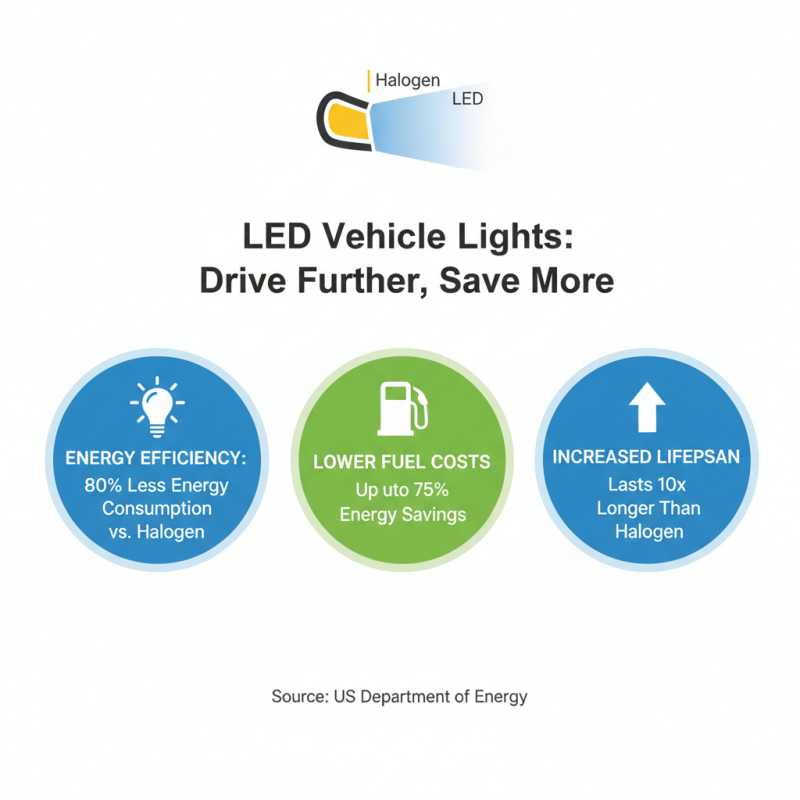
Upgrading to LED lights in vehicles provides significant energy efficiency. Traditional halogen bulbs waste a lot of energy as heat. In contrast, LEDs convert about 80% of their energy into light. According to the U.S. Department of Energy, LEDs consume up to 75% less energy than incandescent lighting. This reduction in energy consumption can translate to lower fuel costs over time.
Longevity is another critical advantage. LED lights last much longer than traditional bulbs. They can operate for 25,000 to 50,000 hours, depending on usage. This lifespan means fewer replacements and less hassle for vehicle owners. Additionally, the Environmental Protection Agency notes that fewer replacements lead to less waste in landfills.
In practical terms, this longevity cuts down on maintenance time. However, many users may overlook the upfront costs. Higher initial expenses can cause hesitation among consumers. Yet, when considering the long-term savings, LED upgrades often prove to be worth it. Reflecting on these factors can help vehicle owners make informed choices.
Aesthetic Enhancements: How LED Lights Improve Vehicle Appearance
Upgrading to LED lights can dramatically enhance your vehicle's appearance. These lights are brighter and more vibrant than traditional bulbs. According to a recent industry report, vehicles equipped with LED lighting can improve visibility by up to 200%. This enhances safety, yes, but it also makes your car stand out.
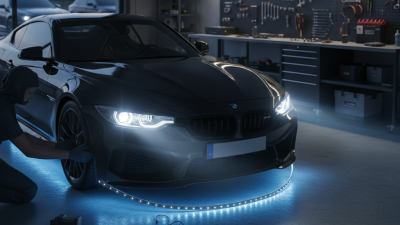
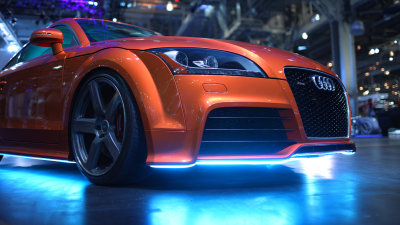
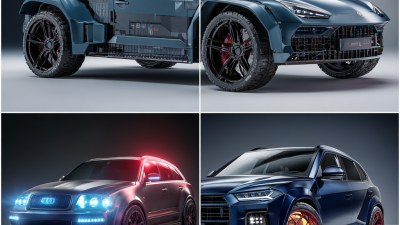
Many car enthusiasts choose LED lights for their aesthetic appeal. They create a modern look that is hard to ignore. LEDs are available in various colors and styles that can be customized. For example, changing the interior lights to a soft blue can create a calming atmosphere. Conversely, a sharp red can add a sporty edge.
However, not all upgrades lead to perfection. Some users report issues like inconsistent lighting or installation difficulties. It's crucial to choose the right type and quality of LEDs. Poor choices might diminish your car's overall aesthetics. The key is to balance form and function. Proper installation matters too. If lights are improperly positioned, they can fail to deliver the desired effect. Careful planning can avoid this common pitfall.
Impact of LED Lights on Vehicle Aesthetics
Installation and Cost Considerations for Upgrading to LED Lights
Upgrading your vehicle with LED lights can significantly enhance both aesthetics and visibility. However, installation and cost are key considerations. Some people find the installation process straightforward. Others may struggle without proper tools or experience. It's crucial to assess your skill level before diving in.
When it comes to cost, LED lights vary widely in price. While you may find budget options, higher-quality ones often provide better performance and longevity. This initial expense might feel daunting, yet over time, LEDs can save you money. They consume less energy, leading to lower fuel consumption and fewer replacements. Still, the thought of changing all the bulbs can be overwhelming for many.
Do your research before making a final decision. Look into local regulations regarding vehicle lighting to avoid any potential issues. You might be excited about the upgrade but ensure you're making a choice that fits your vehicle's needs. Sometimes, the best choice isn't the most popular one. Reflecting on your specific requirements can lead to smarter upgrades.