How to Choose the Best Driving Lights For Trucks?
When selecting the best driving lights for trucks, the options can be overwhelming. According to Alex Johnson, a lighting expert at BrightRoads, "Choosing the right driving lights can enhance visibility and improve safety." This statement emphasizes the importance of making informed choices.
Driving lights for trucks vary in design, brightness, and functionality. Many truck owners may feel unsure about what they truly need. The right lights can make night driving safer and more effective. However, poor choices can lead to inadequate illumination or even damage the vehicle.
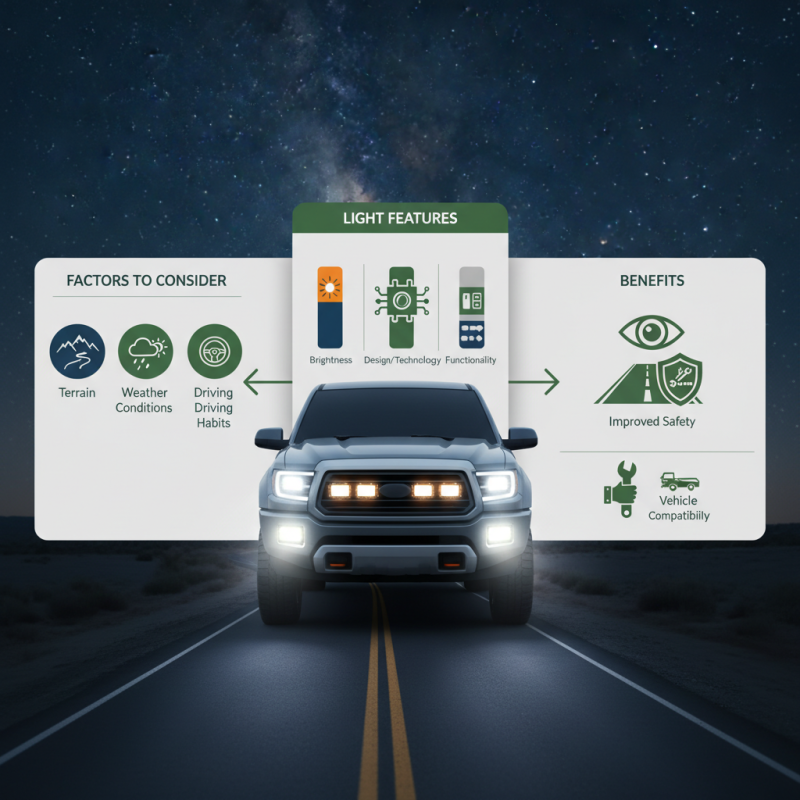
Consider the specific needs of your truck. The terrain you'll navigate and the typical weather conditions play crucial roles. Don't rush this decision. Think about your driving habits and the environments you frequent. The search for perfect driving lights for trucks should be a thoughtful process that balances performance with practicality.
Factors to Consider When Selecting Driving Lights for Trucks
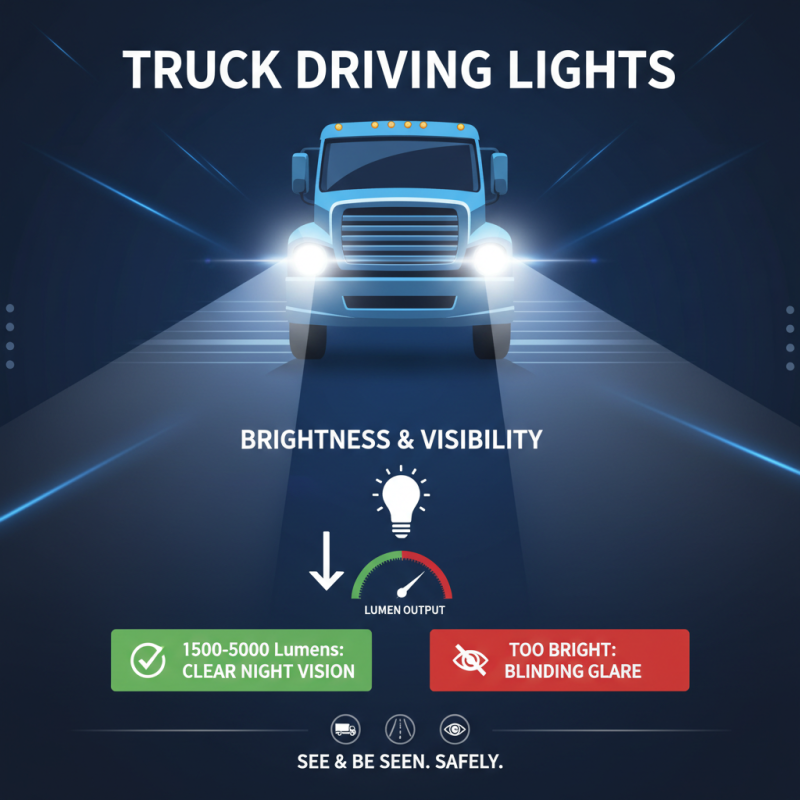
Choosing the right driving lights for your truck requires careful consideration. Brightness is a major factor. You want lights that provide excellent visibility without blinding other drivers. Check the lumen output. A common range is between 1,500 to 5,000 lumens. This is bright enough for night driving, but not overwhelming.
Beam pattern is another essential aspect. A combination of flood and spot beams can enhance visibility in different conditions. Flood lights provide a wide area of illumination, while spot lights focus on long distances. Testing various beam patterns in real conditions can help you understand which works best for your driving style.
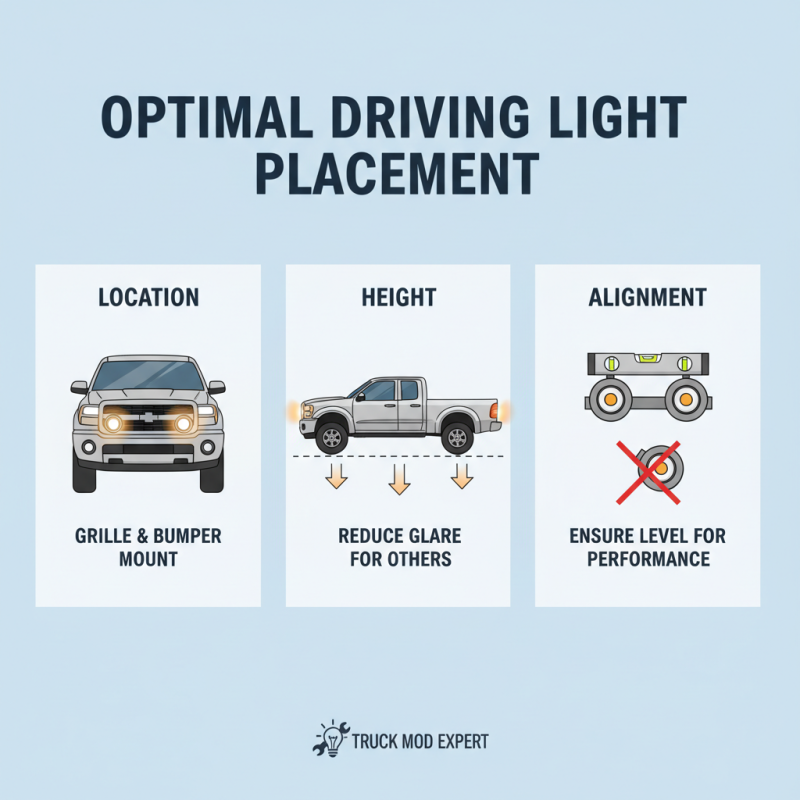
Size and mounting options also play a role. Some trucks have limited installation spaces. Ensure that the lights fit properly without obstructing other components. Pay attention to the design. Some lights may seem attractive but may lack durability. It’s worth considering how often you drive in harsh conditions. This reflection can guide your choice, leading to a more suitable selection.
Types of Driving Lights Available for Trucks
When selecting driving lights for trucks, it’s essential to understand the various types available. There are several options tailored for different needs. Halogen lights offer bright illumination and are generally affordable. They emit a warm light, great for close-range visibility. However, they consume more power compared to newer technologies.
LED lights are increasingly popular. They are energy-efficient and last significantly longer than halogen lights. Their brightness is impressive. Many drivers appreciate the cool, white light they provide. Yet, some might find them too intense, leading to potential glare issues.
Another option is HID lights. They produce a vivid blue-white light. While they are very bright, they can be expensive, both in initial cost and installation. Some drivers may struggle with the adjustment period, as they take longer to warm up. Choosing the right type requires careful thought and research. Each has its strengths and drawbacks. Make sure to consider your driving habits and any local regulations.
Understanding Beam Patterns and Light Output
Choosing the right driving lights for trucks involves a thorough understanding of beam patterns and light output. Different beam patterns serve various purposes. For example, spot beams focus light on a specific area, ideal for long-distance visibility. Flood beams, on the other hand, provide a wider area of illumination. According to a 2021 study by the Lighting Research Center, drivers report improved visibility on dark roads with flood beams.
Light output is also critical. Measured in lumens, the brightness directly impacts how far and wide the light can reach. A report from the National Highway Traffic Safety Administration indicates that better light output significantly reduces nighttime accidents. For instance, a light producing 3,000 lumens can illuminate the road effectively up to 300 feet, enhancing driver safety.
However, not all lights are created equal. Quality can vary greatly among manufacturers. Cheaper options may boast higher lumens but lack in color temperature and consistency. High-quality lights often feature a color temperature of 5,000K. This strikes a balance between brightness and visibility. In some cases, the hype around lumens can be misleading. Thus, selecting lights purely based on specifications may lead to subpar experiences on the road.
Best Driving Lights for Trucks - Beam Patterns and Light Output
Evaluating Durability and Weather Resistance of Driving Lights
When assessing driving lights for trucks, durability and weather resistance are crucial factors. A report by the American Society of Mechanical Engineers indicates that driving lights face extreme conditions, including vibrations, temperature fluctuations, and moisture. Reliable lighting is essential for safe travels under all weather scenarios.
Research shows that LED lights typically have a lifespan of 30,000 to 50,000 hours. This longevity translates to fewer replacements, which is cost-effective. It’s unclear why some drivers overlook light housing materials. Aluminum housings offer superior durability over plastic. They resist impacts and corrosion better, ensuring performance during tough weather.
Moreover, the IP rating measures weather resistance. A rating of at least IP67 is advisable. This indicates the lights can withstand immersion in water and are dust-tight. Many products fall short of this standard. Consumers need to be cautious and not just rely on claims. Ask questions about the testing methods used. Choosing driving lights involves more than just brightness; it’s about lasting quality and safety in all conditions.
How to Choose the Best Driving Lights For Trucks? - Evaluating Durability and Weather Resistance of Driving Lights
| Light Type |
Durability Rating |
Weather Resistance |
Average Lifespan (Hours) |
Price Range ($) |
| LED |
Excellent |
IP67 |
50,000 |
100 - 300 |
| Halogen |
Good |
IP55 |
500 |
50 - 150 |
| Xenon |
Very Good |
IP68 |
2,000 |
75 - 250 |
| Laser |
Excellent |
IP69 |
30,000 |
250 - 800 |