How to Choose the Best Fog Lights for Your Vehicle?
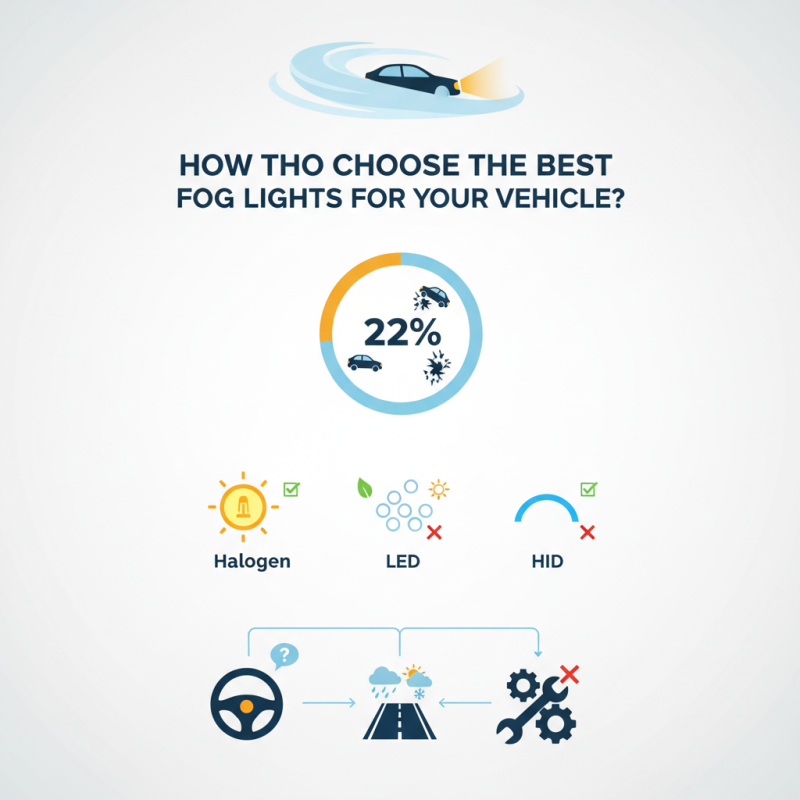
Fog lights are essential for improving visibility in adverse weather conditions. According to a 2021 report by the National Highway Traffic Safety Administration (NHTSA), nearly 22% of accidents occur in foggy conditions. This statistic highlights the importance of equipping vehicles with the right fog lights.
Choosing the best fog lights requires consideration of various factors. Different types of fog lights serve different purposes. Halogen, LED, and HID options are popular, with LED lights typically offering the best energy efficiency and brightness. However, while LED lights are beneficial, they can be overly bright for some conditions, blinding oncoming traffic.
It's crucial to reflect on the unique needs of your vehicle and driving habits. While many products exist, not all will suit your vehicle perfectly. Research suggests that proper installation also matters. Misaligned fog lights can create more danger than they resolve. Investing time in choosing appropriate fog lights ensures safer journeys ahead.
Factors to Consider When Selecting Fog Lights for Your Vehicle
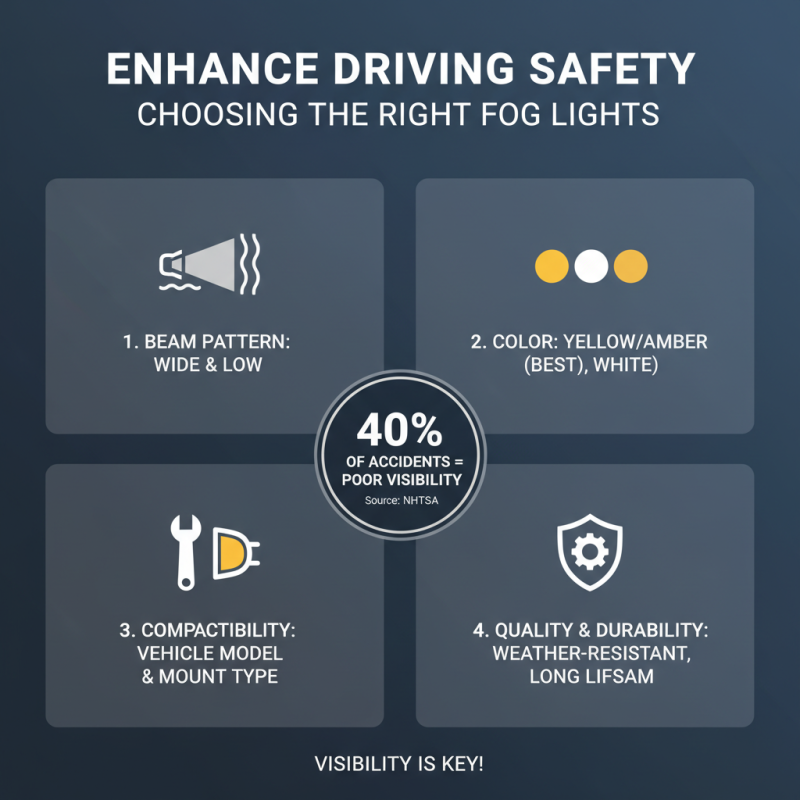
Choosing the right fog lights for your vehicle involves multiple factors. Understanding these factors can enhance your driving safety. Visibility is key. According to a report from the National Highway Traffic Safety Administration, poor visibility contributes to around 40% of all vehicle accidents. This statistic highlights the importance of effective fog lights.
One critical factor is the brightness of the fog lights. Measured in lumens, brighter lights provide better visibility in foggy conditions. Most fog lights range from 1,500 to 3,500 lumens. However, it’s essential to choose lights that won’t blind oncoming drivers. Light color also matters, with yellow appearing less harsh in fog compared to white. A study published in the Journal of Transportation Research shows that yellow lights cut through fog more effectively.
Durability is another aspect. Fog lights are exposed to harsh weather conditions. Selecting lights with robust construction is crucial. Look for options rated for water and dust resistance. Current data indicates that about 25% of fog lights fail due to environmental exposure. It’s vital to balance features with quality to avoid frequent replacements, which can be costly and frustrating. Assessing these details may seem daunting, but they are essential for your safety on the road.
Understanding Different Types of Fog Lights: Halogen, LED, and HID
When choosing fog lights, understanding the types available is crucial.
Halogen fog lights are the traditional choice. They emit a warm yellow light. This color helps cut through fog and rain. However, their lifespan is relatively short. You may find yourself replacing them more often. Brightness can fade over time, which is a drawback.
LED fog lights are gaining popularity. They are more energy-efficient and last much longer than halogen. This can save you money in the long run. Their brightness is impressive, providing a clear view. However, they can produce a cooler light, which may not suit everyone’s taste. Also, installation may be more complex.
HID fog lights offer a brighter option. They are effective in dense fog conditions. But, they require a specific setup. This can lead to higher costs and potential compatibility issues. Not every vehicle can accommodate them. Each type has pros and cons; making the right choice requires careful consideration.
Importance of Lumen Output and Color Temperature in Fog Light Selection
When choosing fog lights, two key factors stand out: lumen output and color temperature.
Lumen output measures brightness. A typical fog light ranges from 1,000 to 3,000 lumens. Brightness is vital in low visibility conditions, such as fog or heavy rain.
Lower lumen values can appear dim, failing to penetrate fog effectively. However, too bright can create glare for oncoming drivers. Striking a balance is crucial.
Color temperature, measured in Kelvins (K), influences visibility and comfort. Most fog lights fall between 3,000K and 6,000K.
A warmer color (around 3,000K) appears yellow, which cuts through thick fog. It reduces glare, improving visibility. Conversely, cooler lights (above 5,000K) produce
a bluish hue. This can enhance contrast on certain surfaces but may create disturbing reflections in fog. Research indicates that approximately 80% of drivers prefer warmer light for fog use.
In practice, matching these specifications to driving conditions is essential. Robust data suggests that driving in fog is safest with a yellow hue around 3,500K.
Yet many still choose cooler lights without fully understanding the potential drawbacks. Rethinking your fog light selection based on these elements can lead to
significant improvements in safety and visibility.
Legal Regulations and Guidelines for Fog Light Use and Installation
Fog lights are vital for improving visibility in adverse weather conditions. However, most drivers are unaware of the legal regulations surrounding their use. In many regions, fog lights must be designed specifically for low-visibility conditions. Misuse can lead to fines or citations. In the U.S., for instance, over 30 states have specific laws governing fog light brightness and usage.
Installation guidelines are equally important. Proper installation ensures fog lights provide optimal performance without blinding oncoming traffic. A study from the Institute of Traffic Safety found that over 60% of fog light misuse happens due to improper setup. Common mistakes include incorrect angle alignment and brightness settings. These mistakes can lead to ineffective lighting, making driving more dangerous rather than safer.
Many jurisdictions require that fog lights be turned off when conditions improve. This practice helps reduce glare for other drivers. Some local laws specify maximum lumen output for fog lamps, typically ranging from 1,500 to 3,000 lumens. Maintaining compliance with these laws is crucial. Owners should regularly check their fog lights for functionality. Ignoring these legalities can not only be unsafe but may also lead to costly repercussions.
Top Brands and Models for Fog Lights Based on Consumer Reviews and Industry Experts
When it comes to fog lights, choosing the right one can be tricky. Numerous brands and models flood the market, each claiming superiority. Consumer reviews often highlight several top contenders. These lights should enhance visibility during foggy days or bad weather. Key features to consider include brightness, beam pattern, and durability.
Many users rave about designs that offer wide and even light distribution. Some models are more focused, cutting through dense fog effectively. However, reviews suggest that not all lights perform equally. Some may fall short on longevity or brightness claims. Industry experts often recommend looking for energy-efficient options that balance performance and lifespan.
Budget is another factor that can't be ignored. Consumers report mixed experiences with low-cost options. While they save money upfront, some may lack necessary features. Investing a little more can lead to better satisfaction over time. Overall, research is vital. Take the time to compare user feedback and expert advice.