How to Choose the Best Fog Lights for Your Vehicle?
When it comes to enhancing vehicle safety, fog lights play a crucial role. According to a 2022 report by the Automotive Lighting Association, around 30% of accidents occur in low visibility conditions like fog. Choosing the right fog lights can significantly improve visibility and safety on the road. Industry expert Dr. James Hargrove, an authority on automotive lighting, states, “Proper fog light selection can mean the difference between a clear path and a dangerous drive.”
Fog lights come in various types, each designed for specific weather conditions. LED fog lights and halogen fog lights have distinct features, advantages, and drawbacks. It's important to understand these options to make informed decisions. Wrong choices can lead to ineffective illumination or even blinding other drivers.
Failure to consider compatibility with your vehicle is a common oversight. Proper installation and alignment are critical to maximize fog light performance. Investing time in research can prevent poor visibility and ensure optimal safety on the road. In the end, selecting the best fog lights is not just about preference but about making a responsible choice for yourself and others.
Understanding the Purpose of Fog Lights in Vehicle Safety
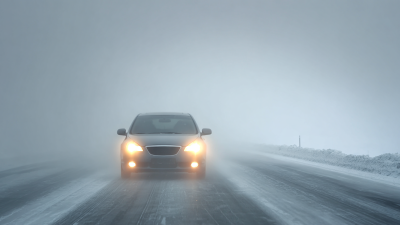
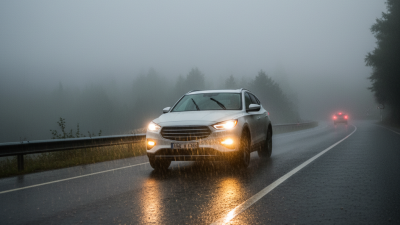
Fog lights play a crucial role in vehicle safety, especially in adverse weather conditions. Their primary purpose is to illuminate the road immediately in front of the vehicle. This is particularly helpful during fog, rain, or snow, where visibility can be severely reduced. By casting a low, wide beam, fog lights prevent the light from reflecting off the fog or rain, allowing drivers to see better without blinding oncoming traffic.
When selecting fog lights, consider choosing those with adjustable beams. This feature enables you to modify the light direction based on your needs. The brightness of the lights also matters; too bright can cause glare. Look for a color temperature of around 3000K for optimal visibility in foggy conditions.
Keep in mind that installation can be tricky. If unsure, seek professional help. Regular maintenance is essential too. Check the fog light alignment and cleanliness frequently. Dirty or misaligned lights can compromise their effectiveness. Investing time in these details can enhance your driving safety and performance in challenging weather.
Types of Fog Lights: Halogen, LED, and HID Explained
Fog lights enhance visibility in challenging weather. Understanding the types available can help you choose the right option for your vehicle. The most common types are Halogen, LED, and HID.
Halogen fog lights are traditional and often affordable. They produce a warm yellow light, which helps cut through fog. However, they tend to consume more power and have a shorter lifespan compared to newer technologies. This can lead to frequent replacements.
LED fog lights are increasingly popular due to their energy efficiency and longevity. They provide a bright, white light that improves visibility in poor conditions. Though they may cost more upfront, their durability often justifies the price. HID lights also offer bright illumination and are energy-efficient. Yet, they require a proper installation for optimal performance. Each option has drawbacks. Consider your driving needs and budget carefully.
Comparison of Different Fog Light Types
This chart compares the average lifespan in hours of different types of fog lights: Halogen, LED, and HID. LED fog lights have the highest lifespan, while Halogen lights have the shortest lifespan.
Key Factors to Consider When Choosing Fog Lights
Choosing the right fog lights for your vehicle involves several key factors. One major consideration is brightness. The ideal fog light should provide a clear beam pattern without blinding other drivers. According to industry standards, a brightness level between 2,500 to 4,000 lumens is generally effective. This range ensures adequate illumination in fog, rain, or snow conditions, which improves visibility and safety.
Another crucial factor is the beam pattern. Fog lights designed with a wide, low beam are more effective in dispersing light. This design reduces the amount of light that reflects off the fog, preventing glare. Some reports suggest that even small variations in light placement can significantly impact driving safety. A well-placed fog light can improve visibility by up to 30%.
Durability is also a vital consideration. Fog lights must withstand harsh weather and road conditions. Opt for lights with appropriate ingress protection ratings, typically IP67 or higher. This ensures resistance against dust and water. Additionally, many users overlook the importance of installation. Quality installation can prevent light misalignment and enhance performance. Mistakes in this area can lead to poor visibility, which defeats the purpose of upgrading your fog lights.
How to Choose the Best Fog Lights for Your Vehicle? - Key Factors to Consider When Choosing Fog Lights
| Feature |
Description |
Considerations |
| Brightness |
Measured in lumens, it indicates how bright the fog lights are. |
Choose a higher lumen rating for better visibility in foggy conditions. |
| Color Temperature |
Refers to the color of light emitted, measured in Kelvin (K). |
Look for lights in the 3000K to 4000K range for optimal fog penetration. |
| Type of Fog Light |
Includes Halogen, HID, and LED options. |
LEDs tend to last longer and provide better efficiency. |
| Beam Pattern |
The shape of the light beam, which affects visibility. |
A wider beam pattern helps illuminate more area during foggy conditions. |
| Durability |
Refers to the resistance of the lights to harsh conditions. |
Look for weatherproof or waterproof ratings to ensure longevity. |
| Installation |
How easy it is to install the fog lights on your vehicle. |
Opt for models that come with installation kits and guides. |
How to Ensure Proper Installation of Fog Lights
When installing fog lights, precise placement is crucial for optimal performance. Start by identifying the best height for your fog lights. They should be low enough to illuminate the road beneath the fog but high enough to avoid blinding other drivers. Aim for a height of about 12 to 30 inches from the ground. This helps in minimizing glare while maximizing visibility.
Wiring connections are another critical factor. Ensure that all connections are secure and waterproof. Poor wiring can lead to frequent outages. Use connectors and seals designed for automotive use. Consider consulting a professional if the wiring process feels daunting. A small mistake can turn into larger issues later.
After installation, regularly check the alignment of the fog lights. Uneven positioning can disrupt their effectiveness. It’s also wise to test them under different weather conditions. This helps ensure the lights serve their purpose well. Each time you drive in fog, evaluate whether they meet your expectations. Adjust as necessary for continuous improvement.
Legal Considerations for Fog Light Usage by Region
When considering fog light usage, it's vital to understand regional regulations. Laws vary significantly between countries and even states. For instance, in the U.S., some states allow front fog lights but restrict their use in certain conditions. According to a report by the National Highway Traffic Safety Administration (NHTSA), improper fog light usage can lead to visibility issues for other drivers, potentially causing accidents.
In the UK, fog lights are generally permitted but must be used responsibly. The Highway Code advises using them only in fog, rain, and snow when visibility is severely reduced. Statistics show that nearly 35% of drivers misuse fog lights when conditions do not warrant them. This misuse not only irritates other drivers but can also lead to legal penalties, highlighting the importance of staying informed about local laws.
Internationally, many countries have strict guidelines regarding the installation and use of fog lights. For example, in many EU countries, fitting aftermarket fog lights that do not comply with legal standards can lead to fines. Understanding these legal frameworks is crucial for vehicle safety and compliance. Making informed decisions about fog light use can enhance road safety and improve the overall driving experience.