How to Choose the Best Amber Driving Lights for Your Vehicle?
Choosing the right Amber Driving Lights for your vehicle can feel overwhelming. With so many options available, how do you make the best choice? Renowned automotive lighting expert, John Thompson, emphasizes, "Quality and visibility are key factors in selecting Amber Driving Lights." His insight highlights the importance of making informed decisions.
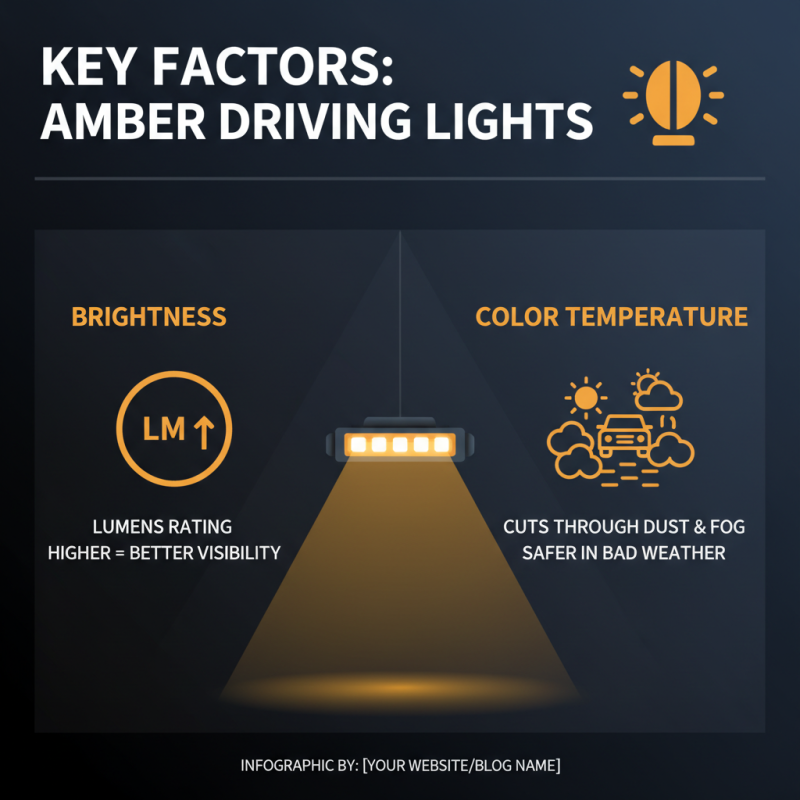
When searching for Amber Driving Lights, consider brightness, beam pattern, and durability. These factors greatly affect your driving experience. Many drivers overlook the value of quality lighting. They often choose based solely on price, missing out on safety benefits.
It's also essential to evaluate compatibility with your vehicle. Not every light suits every model. Poor selection may lead to inadequate visibility. The right Amber Driving Lights improve safety and enhance your vehicle's appearance. Reflecting on your specific needs is crucial. Choosing wisely ensures you stay safe on the road while enjoying your driving experience.

Understanding the Importance of Amber Driving Lights for Vehicles
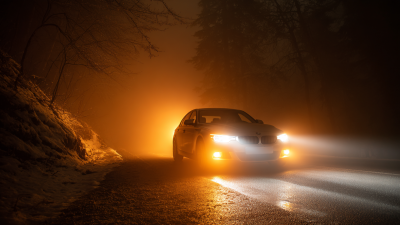
Amber driving lights play a crucial role in enhancing safety on the road. They improve visibility during adverse weather conditions, such as fog and rain. Unlike white lights, amber lights reduce glare and help drivers see the road clearly. This feature is essential for preventing accidents. Many drivers underestimate the importance of using amber lights.
To choose the right amber lights, consider the brightness level. Too dim might not be effective, while overly bright could be distracting. Opt for lights that meet specific standards for brightness. Check the beam pattern as well. A well-defined pattern ensures better illumination of the road without blinding other drivers.
Here’s a quick tip: always test the lights before a long drive. Ensure they are properly aligned and functional. Replace any burned-out bulbs promptly. Regular maintenance is key to reliable performance. Remember, well-functioning lights not only enhance your safety but also help others on the road. Adaptation to changing weather conditions is vital.
How to Choose the Best Amber Driving Lights for Your Vehicle?
| Feature |
Description |
Importance |
| Brightness Level |
Measured in lumens, it determines how well the lights illuminate the road. |
High brightness improves visibility in fog, rain, or dust conditions. |
| Color Temperature |
Refers to the hue of the light emitted, usually measured in Kelvin (K). |
Amber lights reduce glare and enhance contrast in adverse weather. |
| Beam Pattern |
Describes the shape and spread of the light beam. |
A well-designed beam pattern improves illumination and reduces blind spots. |
| Durability |
Refers to the quality of materials and resistance to elements. |
Durable lights endure harsher conditions and have longer lifespans. |
| Installation Type |
Options include plug-and-play or hardwired installations. |
Easy installation can save time and reduce labor costs. |
| Power Consumption |
Measured in watts, indicates how much energy the lights use. |
Lower consumption saves vehicle battery life and improves efficiency. |
Types of Amber Driving Lights: Which One is Right for You?
When selecting amber driving lights, consider the different types available for your vehicle.
LED lights offer high efficiency and long lifespan. They are bright and consume less power.
Halogen lights are another option. They provide a warm glow but have a shorter life.
Think about your driving needs. If you often drive in fog or bad weather, fog lights with an amber hue are beneficial. They help improve visibility
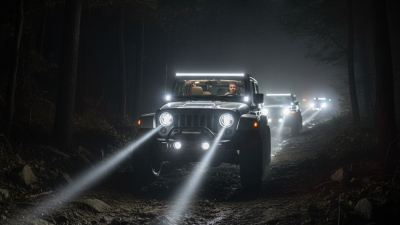
without blinding other drivers. Work lights can also be amber. These are ideal for off-road situations, providing a broad beam to light up the area around you.
Reflect on where you plan to install these lights. Some fit better on bumpers, while others are designed for roofs. Ensure the light’s size complements your vehicle’s style.
Installation can sometimes be tricky. If unsure, seeking professional help may be wise. Each choice carries weight, affecting your safety and driving experience.
Installation Tips for Amber Driving Lights in Your Vehicle
Installing amber driving lights can significantly enhance visibility. These lights are often used in adverse weather conditions. According to a report from the National Highway Traffic Safety Administration, specific lighting can reduce accident rates by up to 25%. Proper installation is key to maximizing effectiveness.
When installing amber driving lights, start by choosing the right location. Mount them high enough to avoid obstruction from other vehicle components. Ensure they comply with installation guidelines. Inadequate placement can lead to glare issues, which might affect other drivers. Secure all wiring properly to prevent damage or disconnection over time.
Using the right tools makes a difference. A multimeter can check your electrical connections. However, be cautious. An improper installation can result in malfunctioning lights. Additionally, review local regulations. Having non-compliant lights could lead to legal issues. Always prioritize safety and visibility over aesthetics.
Amber Driving Lights Brightness Comparison
Regulatory Guidelines for Using Amber Driving Lights on the Road
Using amber driving lights can enhance road safety, but knowing the regulations is essential. In many regions, there are specific laws that dictate their use. For example, the U.S. Department of Transportation emphasizes that amber lights are primarily for warning purposes. They are commonly used by emergency vehicles and roadside assistance.
According to the National Highway Traffic Safety Administration, properly utilized amber lights can reduce accidents by 30%. However, not all amber lights are created equal. Local regulations often define where and how these lights may be used. Some areas restrict their activation to emergency situations only, while others may allow them during specific weather conditions.
Misuse of amber lights can lead to confusion for other drivers. Reports indicate that at least 20% of motorists mistakenly assume that vehicles with active amber lights are responding to emergencies. This misunderstanding can increase risks on the road. It's crucial for drivers to be aware of and adhere to local guidelines to avoid unintentionally creating dangerous situations. This adherence enhances both personal safety and the safety of others.