How to Choose the Best LED Lights for Your Vehicle?
In the world of automotive lighting, choosing the right LED lights for a vehicle is crucial. According to John Carter, a leading expert in automotive lighting, “The right LED lights can significantly enhance both safety and aesthetics.” Selecting from various options can be overwhelming, yet the importance of brightness, color temperature, and beam pattern cannot be overstated.
LED lights for a vehicle serve multiple purposes. They illuminate the road ahead and improve visibility during night drives or harsh weather. However, many drivers often overlook the quality and compatibility of these lights. Poor choices can lead to frequent replacements or diminished performance. This highlights the need for careful consideration.
It’s also essential to recognize that not all LED lights are created equal. Shoppers should consider reliability and brand reputation. Many offer attractive designs, but often, their longevity and effectiveness fall short. Thus, thoughtful research is necessary to ensure the best fit for your vehicle. Getting it right means enhancing your driving experience while staying safe on the road.
Understanding the Different Types of LED Lights for Vehicles
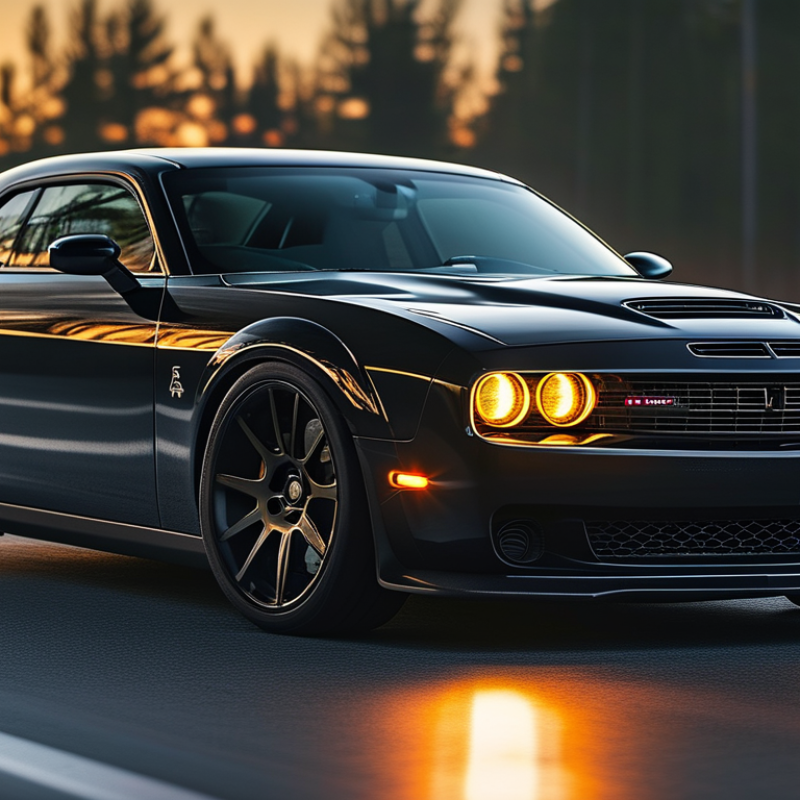
When it comes to enhancing vehicle visibility, understanding the different types of LED lights is crucial. There are three primary categories: headlight LEDs, interior LEDs, and accent lights. Headlight LEDs provide bright illumination for nighttime driving, improving safety. According to a recent industry report, LED headlights can last up to 30,000 hours, significantly longer than traditional halogen lights. This longevity translates to fewer replacements, making them a cost-effective option for drivers.
Interior LED lights enhance visibility inside the vehicle. They create an inviting atmosphere and improve functionality. A study indicated that vehicles equipped with interior LED lighting are more visually appealing to younger drivers. These lights often come in various colors, allowing for personalization. Yet, some drivers may overlook their importance. Proper installation is essential to ensure full benefits.
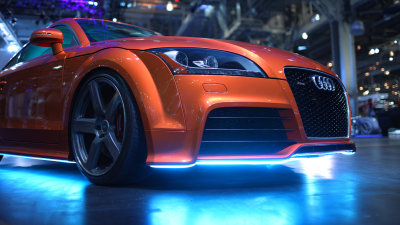
Lastly, accent lights, such as underglow kits, can stylishly enhance a vehicle’s appearance. While they do not contribute to safety directly, they allow for creative expression. However, the use of accent lights should conform to local regulations. Misuse can result in legal issues. While LED lights offer advantages, potential buyers should research thoroughly to ensure they make informed choices.
Evaluating Brightness and Color Temperature for Optimal Visibility
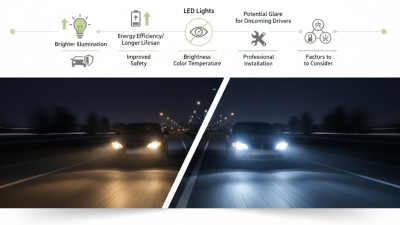
When selecting LED lights for your vehicle, brightness is crucial. Measured in lumens, this determines how well your lights illuminate the road. Aim for at least 2,000 lumens for adequate visibility. However, more lumens don't always mean better performance. Poorly focused lights can create glare, making driving dangerous at night. Reflect on your driving conditions to find the right balance.
Color temperature also plays a significant role. Measured in Kelvin, it affects how light appears. A color temperature of 3,000K emits a warm yellow light, while 6,000K offers a bright white light. Cooler temperatures can enhance visibility in fog or rain, while warmer tones are softer on the eyes. Experimenting with different temperatures can help you identify what works best for your environment.
Consider your local regulations regarding LED use. Some areas have specific laws governing light intensity and color. Check these rules to ensure you make a legal choice. Inconsistent choices can impair safety and attract unwanted attention. Making informed decisions based on these factors will greatly enhance your driving experience.
Assessing Compatibility with Your Vehicle’s Electrical System
When selecting LED lights for your vehicle, compatibility with your electrical system is critical. Most vehicles today utilize 12V systems, but some models may have specialized wiring. Consulting technical specifications is essential; mismatched voltage can lead to flickering lights or electrical failures. According to the Automotive LED Report 2022, 30% of aftermarket LED installations fail due to poor compatibility.
Examine your vehicle's electrical components before making a purchase. Understand the wattage and amperage ratings of both your existing bulbs and new LEDs. Quality LEDs usually consume less power, but incorrect ratings can cause circuit overloads. A study by the National Highway Traffic Safety Administration indicated that poor lighting can lead to 20% increase in accidents during low-visibility conditions. Therefore, ensuring reliable installation is key.
Understanding your vehicle's requirements can prevent common pitfalls. It might be wise to consult with a professional installer for complex systems. Furthermore, DIY enthusiasts should research wiring diagrams and seek community advice. Quality of materials used in LED products varies, which can affect performance. Exploring real-life user reviews can provide insight into the reliability of specific products.
Compatibility Assessment of LED Lights with Vehicle Electrical Systems
Considering Durability and Weather Resistance for Longevity
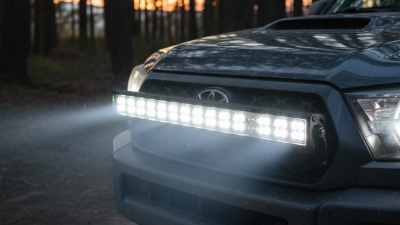
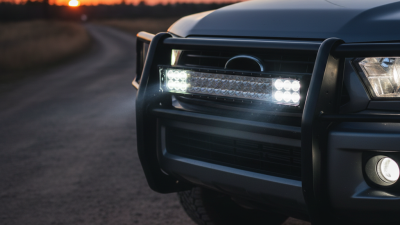
When choosing LED lights for your vehicle, durability and weather resistance are paramount. A 2022 industry report highlighted that over 30% of LED light failures stem from poor quality and environmental factors. This emphasizes the need for rugged components that withstand elements like rain, snow, and extreme temperatures. Select lights rated for IP67 or higher, which indicates resistance to water immersion and dust intrusion. These ratings ensure your lights can handle harsh conditions without compromising performance.
It's wise to consider materials used in construction. Aluminum housings outperform plastics in durability and heat dissipation. LED lights made from high-grade aluminum can extend their lifespan significantly. Longevity is often tied to how well a product can resist corrosion and wear from road debris. Weather-resistant seals are essential for preventing moisture from damaging sensitive electronic components inside the lights.
Opt for products backed by warranty periods of at least two years, which can speak to their reliability. A common oversight is underestimating the importance of installation. Proper sealing and securing help prevent water ingress and physical damage. Many users have faced issues due to improper installation, leading to unexpected failures. Prioritize research and seek accessories that ensure a secure fit for optimal performance.
How to Choose the Best LED Lights for Your Vehicle? - Considering Durability and Weather Resistance for Longevity
| Light Type |
Lifespan (Hours) |
Brightness (Lumens) |
Weather Resistance |
Durability Rating |
| Standard LED Headlight |
30,000 |
1200 |
IP67 |
High |
| Off-Road LED Light Bar |
50,000 |
4000 |
IP68 |
Extreme |
| Fog Light LED |
25,000 |
800 |
IP65 |
Medium |
| Tail Light LED |
40,000 |
600 |
IP66 |
High |
| Interior LED Light |
20,000 |
500 |
None |
Low |
Reviewing Installation Options and Maintenance Tips for LED Lights
When considering LED lights for your vehicle, installation options are crucial. Most vehicles accommodate plug-and-play installations, which simplifies the process. However, some models may require modifications to the wiring or housing. A report from the Lighting Research Center indicates that improper installation can lead to 30% reduced effectiveness in light output. Therefore, assessing your vehicle's compatibility with different LED systems is essential.
Maintenance of LED lights should not be overlooked. Regular cleaning of the lens and connections can prevent corrosion. Studies show that up to 80% of LED failures are due to environmental damage. This emphasizes the importance of routine inspections. Additionally, LED bulbs have a lifespan of around 25,000 hours, but poor maintenance can significantly shorten that. Be aware that not all installations are user-friendly. Some may need professional help, especially for models with complex electrical systems.
Understanding the realities of installation and maintenance helps ensure better performance. While LEDs offer energy efficiency, neglecting these factors can lead to disappointments. Track your vehicle's light performance and keep an eye on street conditions. This attention to detail can improve not just the functionality, but the safety of your vehicle's lighting system.