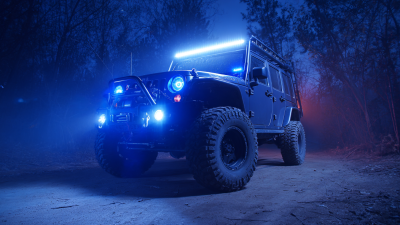
How to Choose the Right Led Light Bar for Your Vehicle?
Choosing the right LED light bar for your vehicle is essential for optimal performance and safety. According to industry reports, LED light bars can increase visibility by up to 200%. This enhances driving safety during nighttime or adverse conditions. With the rise of nighttime activities and off-road adventures, selecting the proper light bar becomes more critical.
When considering an LED light bar, durability is vital. Reports indicate that high-quality bars can withstand harsh conditions, including extreme temperatures and impacts. Many users overlook this when making decisions. Additionally, brightness levels and beam patterns should align with your specific needs. A light bar that is too powerful for city driving might be a waste of resources.
Moreover, features such as waterproof ratings and installation ease also matter. Some owners struggle with complex setups. It’s important to evaluate your vehicle’s compatibility before purchase. By investigating these elements thoroughly, you enhance your driving experience and make informed choices about your LED light bar.
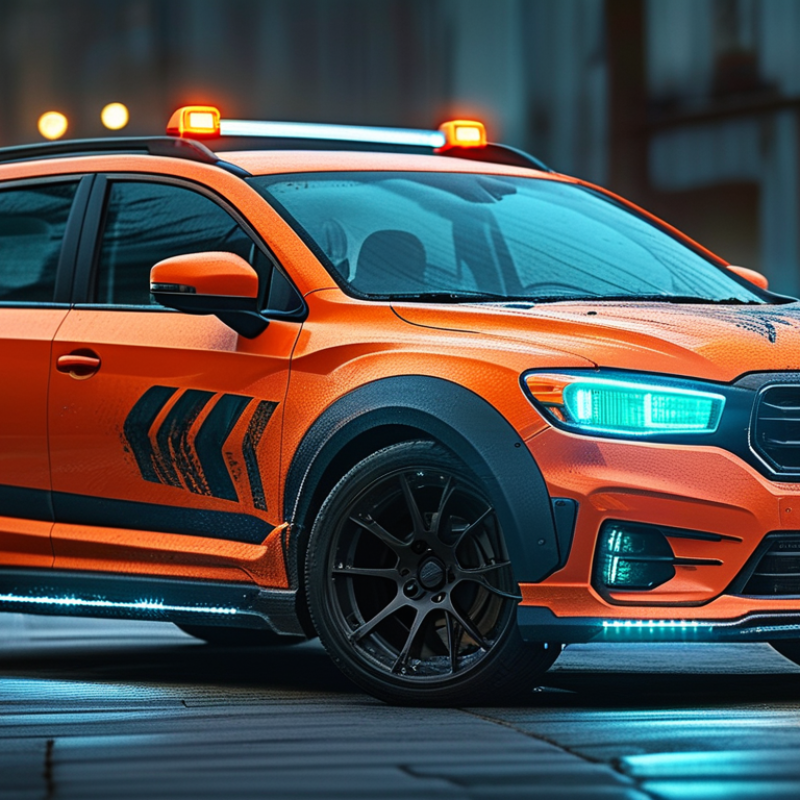
Understanding the Different Types of LED Light Bars Available
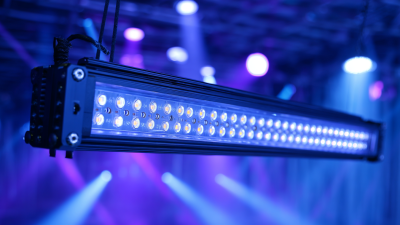
LED light bars have transformed automotive lighting in recent years. Understanding the different types can help in making an informed choice. The most common types include spot beam, flood beam, and combo beam options.
Spot beams focus light into a narrow point, offering extended visibility for long-distance driving. Flood beams emit light across a wider area, illuminating broader surroundings but with shorter reach. Combo beams combine both, delivering versatility for various situations.
According to a report from the Specialty Equipment Market Association (SEMA), the demand for LED light bars has increased by over 20% in the last few years. Consumers are increasingly seeking enhanced safety and visibility. Additionally, studies reveal that LED lights can last up to 50,000 hours, significantly outpacing traditional halogen lights. This durability can lead to cost savings over time, but it is crucial to consider installation and compatibility with your vehicle.
Wattage and lumens are vital specifications to assess. Higher wattage does not always equate to better performance. A 100-watt light bar might not provide the same output as a competitor’s 50-watt bar. This difference can stem from various factors like quality of diodes and design. Understanding these nuances can prevent potential regrets later. Always evaluate your specific needs and environment before making a decision.
Evaluating Lumens and Beam Patterns for Optimal Visibility
When choosing an LED light bar, understanding lumens and beam patterns is crucial.
Lumens measure the total light output. A higher lumen count often means brighter light, enhancing visibility on dark roads.
However, more lumens don't always equal better visibility. It’s essential to consider how that brightness is distributed across your viewing area.
Beam patterns define how light is projected. Some beams focus light directly ahead, offering long-distance visibility. Others, like flood beams, illuminate a wider area.
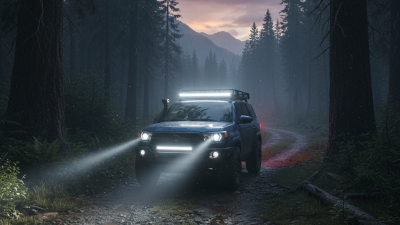
Think about your driving conditions. If you frequently navigate off-road or on winding trails, a wide beam may serve you better.
Reflect on your needs. It’s possible that a balanced beam, which combines distance and width, could be the optimal choice.
Evaluating these factors can be overwhelming. There’s no one-size-fits-all solution. Different setups work for different users.
Gathering feedback from other drivers or conducting research can clarify your options.
Prioritize what matters most to you. After all, effective lighting often blends brightness with coverage.
Considering Vehicle Compatibility and Mounting Options
When choosing an LED light bar for your vehicle, compatibility and mounting options are crucial factors. Vehicle compatibility involves ensuring that the light bar fits seamlessly onto your car or truck. Check your vehicle’s specifications and dimensions before making a purchase. This includes understanding the space available where the light bar will be installed. Not all light bars fit all vehicles, and improper fitting can lead to performance issues.
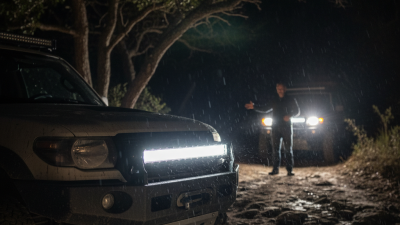
Mounting options also require careful consideration. You may choose between various mounting styles, including roof mounts, bumper mounts, or grille mounts. Each option has its pros and cons. Roof mounts provide clear visibility but may present wind resistance challenges. Bumper mounts are often easier to install but might have limited light coverage. It’s important to reflect on your specific needs—like off-road driving or regular commuting—when selecting a mounting style. Be sure to weigh the implications of your choice carefully. An ideal setup balances aesthetics with functionality while enhancing your vehicle’s performance on the road.
Assessing Durability and Weather Resistance Features
When choosing an LED light bar, considering durability and weather resistance is crucial. LED light bars are exposed to various conditions. From heavy rain to extreme temperatures, a robust design makes a significant difference. Look for bars with sturdy aluminum housing. This not only protects against dents but also ensures a longer lifespan.
Check the ingress protection (IP) rating of the LED light bar. A higher rating means better resistance against dust and water. For example, an IP67 rating indicates the light can withstand submersion in water. Such features are essential if you plan to use your vehicle off-road or in harsh environments. Sometimes, specifications can be confusing. It’s worth spending time to really understand these numbers.
Reflect on your specific usage. While some situations call for high durability, others may not. If your vehicle isn't often exposed to rough environments, you might opt for a more budget-friendly option. However, investing in higher-quality, weather-resistant lights can save you money in the long run. They reduce the risk of premature failure due to environmental conditions. Balancing cost and quality can be challenging, but it’s a necessary step in choosing the right LED light bar.
Budgeting for Quality: Cost-Effective LED Light Bar Choices
When budgeting for an LED light bar, quality is key. A lower price might seem appealing, but it can lead to poor performance. Often, cheaper options lack durability. They may fail to withstand the elements. Consider your driving conditions. Harsh weather and rough terrains require robust lighting solutions.
Be realistic about your needs. Assess how often you’ll use the light bar. If you’re off-roading frequently, invest a bit more. This ensures visibility and safety. Evaluate features like brightness and beam patterns. Look for options that balance quality and cost.
Read reviews and seek recommendations. Peer experiences can guide your purchase. Understand that a pricier light bar may save money long-term. Frequent replacements add up. Sometimes, it’s wise to spend a bit more upfront. Reflect on your choices and prioritize reliable products. Quality should stand at the forefront of your decision.