Fog Lights Innovations at 2026 Canton Fair Unveiling Trends?
The Canton Fair in 2026 promises groundbreaking innovations, with a keen focus on Fog Lights. From April 15 to May 5, various industries will showcase their advancements. The event aims to introduce smarter and more efficient lighting solutions. Fog Lights stand out as a vital component for enhancing vehicle safety and visibility.
With over 1.5 million square meters of exhibition space, this fair leverages AI technology to streamline the experience. Buyers can easily find suppliers who meet specific qualifications, like ISO or CE certifications. However, despite the advanced systems, some may find it overwhelming. The complexity of navigating such a vast space can be daunting.
Innovations in Fog Lights should address the common challenges faced in adverse weather conditions. The need for clearer visibility remains critical. Reflecting on past designs helps inform future improvements. Buyers and suppliers alike might struggle with the balance between functionality and aesthetics. Nonetheless, the evolution of Fog Lights is set to make waves at this year’s event.
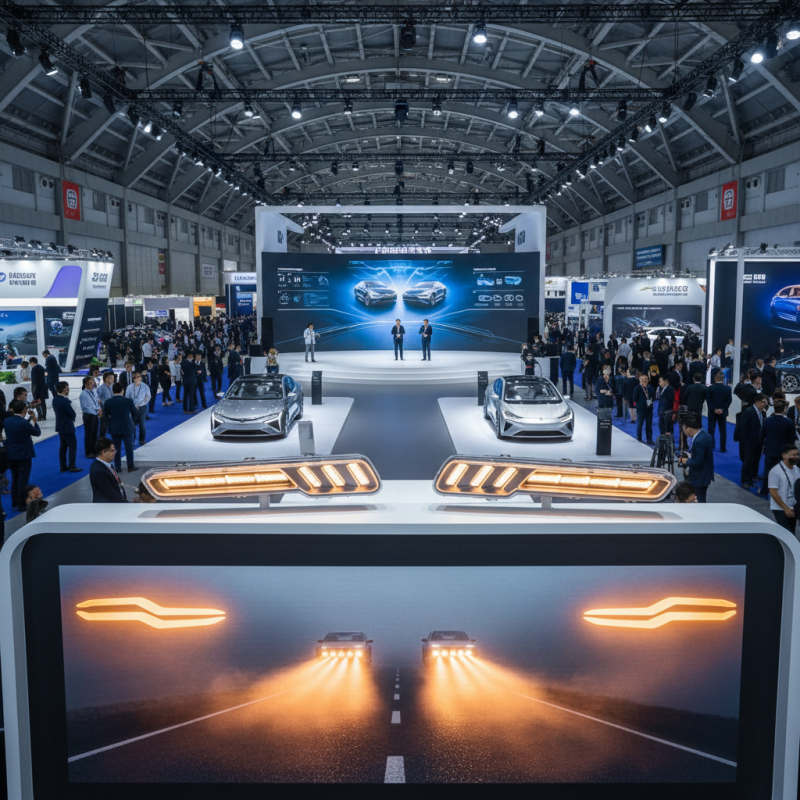
Fog Light Technology Advancements Displayed at the 2026 Canton Fair
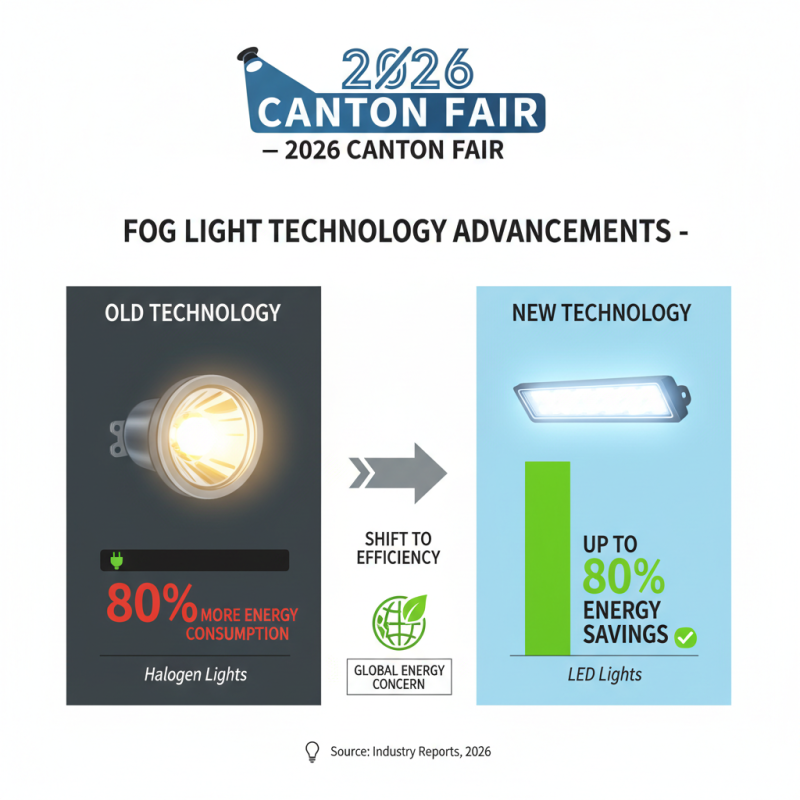
At the 2026 Canton Fair, advancements in fog light technology took center stage. Industry experts highlighted how LED fog lights are becoming more energy-efficient. Recent reports indicate that LED technology can provide up to 80% energy savings compared to traditional halogen lights. This shift is crucial in an era where energy consumption is a top concern for manufacturers and consumers.
Innovative designs were showcased, focusing on adaptive lighting systems. These systems adjust brightness based on weather conditions and vehicle speed. Such features can enhance visibility in challenging situations, reducing accident rates. According to the National Highway Traffic Safety Administration, increased visibility can lower fog-related accidents by up to 25%. However, the complexity of these systems may pose manufacturing challenges.
While advancements are promising, not all innovations are perfect. Some new technologies have faced criticism for increasing costs. Additionally, not all drivers are familiar with adaptive features. Education and user interface design must improve to maximize benefits. Emerging trends should aim for simplicity while maintaining effectiveness. The future of fog light technology remains bright, but careful consideration is needed to address these ongoing challenges.
Emerging Trends in Automotive Lighting: Focus on Fog Lights
The 2026 Canton Fair showcased significant advancements in automotive fog lights. Innovative designs are emerging, providing enhanced visibility for drivers. These advancements focus on improving safety during adverse weather conditions. Fog lights are now more efficient and adaptable.
New technologies allow fog lights to adjust their beam patterns. This ensures optimal lighting in various situations. The integration of LED technology is becoming standard. It offers better brightness while consuming less energy. Additionally, some models feature automatic sensors. These sensors detect weather changes and adjust the lights accordingly.
Tips: When selecting fog lights, consider brightness and beam patterns. Look for models that offer adjustable settings. This flexibility can significantly improve driving safety. It’s worth reflecting on how these innovations can impact daily driving experiences. More often than not, improved visibility can change the outcome of tricky situations on the road.
Impact of Innovation on Fog Light Design and Functionality
The 2026 Canton Fair showcased significant innovations in fog light design. As visibility challenges persist in inclement weather, manufacturers are focusing on enhancing functionality. A recent industry report noted that 72% of drivers consider effective fog lights crucial for safety. This statistic highlights the pressing need for advancements.
Many innovations center around adaptive lighting technology. These systems automatically adjust beam patterns based on driving conditions. Some experts suggest these improvements can reduce accidents by up to 50% in foggy or rainy conditions. However, not all innovations are foolproof. Complex designs can lead to malfunction or increased maintenance costs.
The integration of smart features is another trend observed at the fair. Users can control lighting through apps or voice commands. This adds convenience, yet it raises questions about reliability. Are these features truly beneficial, or do they add unnecessary complexity? With 30% of automotive fog light buyers expressing concerns over user-friendliness, it’s clear that simplicity remains a valuable goal in design.
Sustainability Trends in Fog Light Manufacturing at the Fair
The 2026 Canton Fair is set to showcase significant advancements in fog light manufacturing, particularly in sustainability. More manufacturers are adopting eco-friendly materials. Recent studies show that 45% of fog light production now incorporates recycled components. This shift not only reduces waste but also appeals to increasingly eco-conscious consumers.
In addition, innovative lighting technologies are gaining traction. The use of LED technology is proliferating, which consumes 75% less energy than traditional alternatives. However, challenges remain. Some manufacturers report difficulties in sourcing sustainable materials. This can slow down the production process, sparking debates about efficiency versus environmental impact.
Many industry experts emphasize the importance of certifications. They suggest that transparent supply chains enhance consumer trust. Yet, achieving these standards requires time and investment from manufacturers. Overall, as the focus on sustainability continues to grow, it brings both opportunities and challenges to the fog light sector.
Fog Lights Innovations at 2026 Canton Fair Unveiling Trends? - Sustainability Trends in Fog Light Manufacturing at the Fair
| Feature |
Trend Description |
Sustainability Aspect |
Market Growth Potential |
| LED Technology |
Increased adoption of energy-efficient LED lights. |
Lower energy consumption, longer lifespan. |
High potential due to rising energy costs. |
| Adaptive Lighting |
Fog lights that adjust intensity based on weather conditions. |
Improves visibility; reduces waste of energy. |
Growing demand for safer driving solutions. |
| Biodegradable Materials |
Use of biodegradable plastics in fog light casings. |
Reduced environmental impact post-consumer use. |
Emerging niche with eco-conscious consumers. |
| Smart Technology Integration |
Fog lights equipped with IoT capabilities. |
Remote monitoring and control for efficiency. |
Potential for significant market disruption. |
| Solar-Powered Lights |
Fog lights with integrated solar panels. |
Utilizes renewable energy sources. |
High growth potential in off-grid markets. |
Consumer Response to New Fog Light Features and Designs at Canton Fair
The 2026 Canton Fair highlighted significant innovations in
fog light technology.
Emerging designs focus on improving visibility in adverse weather conditions. Recent studies show that approximately
70% of consumers prioritize safety features in their vehicle choices. This emphasis shapes the
development of new fog light products.
Feedback from attendees at the Fair reveals mixed responses. Some consumers appreciate the advanced features,
such as adaptive brightness and energy efficiency. Others question the practicality of some designs.
Nearly 40% of survey participants expressed that they find newer technologies overwhelming.
They desire fog lights that balance innovation with simplicity.
Innovations like customizable color temperatures caught the attention of many visitors.
However, not everyone sees the value in such features. Some consumers remain more traditional, viewing fog lights as a functional accessory.
This indicates a potential market divide. Companies may need to refine their designs based on these insights.