2026 How to Choose the Best Led Headlights for Your Vehicle?
The choice of headlights can greatly impact driving safety. LED headlights are gaining popularity due to their brightness and energy efficiency. According to a 2022 report by the Automotive Lighting Industry Association, LED headlights can increase visibility by up to 200%. This technology not only illuminates the road better, but also enhances overall vehicle aesthetics.
When selecting LED headlights, consider factors like lumen output and beam patterns. Reliable sources, such as the National Highway Traffic Safety Administration (NHTSA), emphasize the need for proper alignment to avoid glare for other drivers. Misalignment can lead to dangerous situations. Many consumers overlook this crucial aspect.
It's important to choose headlights that not only meet legal standards but also enhance safety. Research shows that nearly 80% of driving occurs in low-light conditions. The right LED headlights can provide a clearer view, making night driving safer. However, some budget options may compromise quality and longevity. Always weigh the benefits versus the cost carefully.
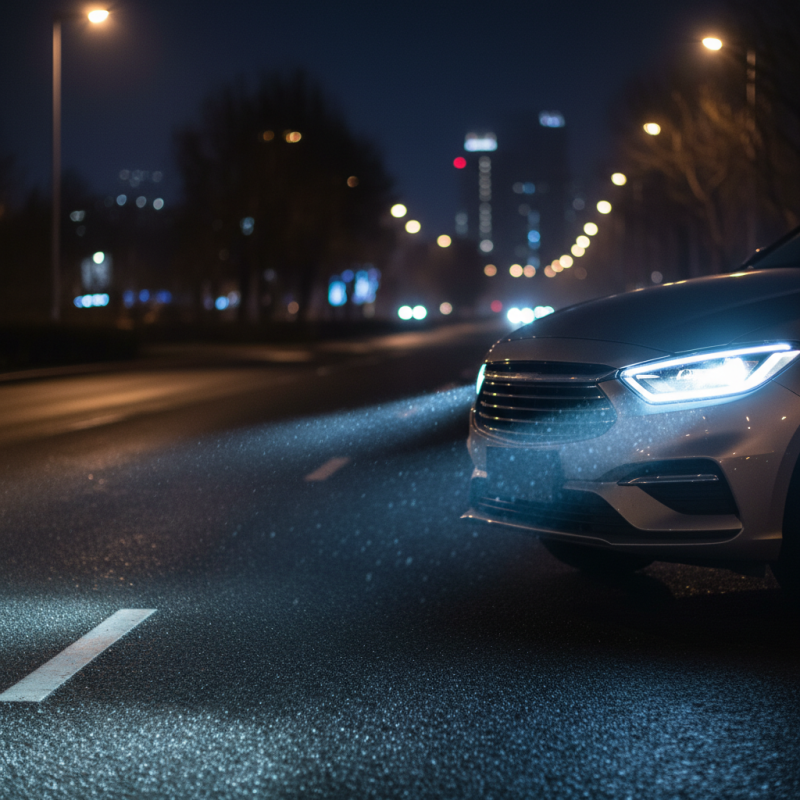
Understanding LED Headlights: Benefits and Features
LED headlights have gained popularity in recent years due to their numerous benefits. They provide brighter illumination than traditional halogen bulbs. This brightness improves visibility during night driving, enhancing safety. Additionally, LED lights consume less energy, which promotes fuel efficiency. However, some users report that the initial cost can be higher when compared to halogen options.
When considering LED headlights, features are important. Look for a proper beam pattern to avoid blinding other drivers. Some LEDs have adjustable features, allowing customization based on personal preference. Heat dissipation is another vital aspect; ensure the headlights have efficient cooling systems to prolong their lifespan. Even with advanced technology, the performance of LED headlights can vary significantly between setups. It's wise to research thoroughly and read reviews.
The decision to upgrade to LED headlights should not be taken lightly. While they boast enhanced visibility and energy efficiency, individual needs can differ. Some may find the color temperature, often cooler than traditional bulbs, less appealing. Others might struggle with installation difficulties. These nuances remind us that choosing the best LED headlights requires careful consideration and research.
Comparison of LED Headlight Features
Key Factors to Consider When Choosing LED Headlights
When choosing LED headlights for your vehicle, several factors come into play. Brightness is essential; look for lumens rating. More lumens mean better visibility at night. Color temperature is another factor. A cooler (whiter) light may offer a modern look, while a warmer light can provide a cozy ambiance.
Tips: Always check compatibility with your vehicle. Not all headlights fit every model. If you’re unsure, consult a professional. Also, think about beam pattern. A well-defined beam will enhance road illumination and reduce glare for oncoming drivers.
Consider the lifespan of the LED headlights. They typically last longer than halogen bulbs, but quality varies. Opting for higher-quality options can save you money in the long term, even if the initial investment is higher. Remember, not all options are equally reliable, so read reviews and ask for recommendations.
Types of LED Headlights: Options Available for Vehicles
When selecting LED headlights for vehicles, understanding the types available is crucial. There are several options, including standard, high-intensity, and adaptive LED headlights. Standard LED headlights provide good visibility and energy efficiency. High-intensity variants offer increased brightness that can enhance nighttime driving safety by up to 50%, according to the National Highway Traffic Safety Administration.
Adaptive LED headlights are becoming popular for their ability to adjust automatically to driving conditions. These headlights can pivot and adjust beam patterns, ensuring optimal illumination on curves or during adverse weather. Studies indicate that adaptive systems can reduce glare for oncoming traffic, effectively improving overall road safety.
However, not every LED option is equal. Installation can be a challenge for some vehicles, potentially affecting how light is distributed. Furthermore, some aftermarket options may not meet vehicle regulations, leading to legal concerns. It’s prudent to check specific requirements before making any upgrades. Balancing performance with compliance is key for choosing the right LED headlights.
Installation Tips for LED Headlights in Your Vehicle
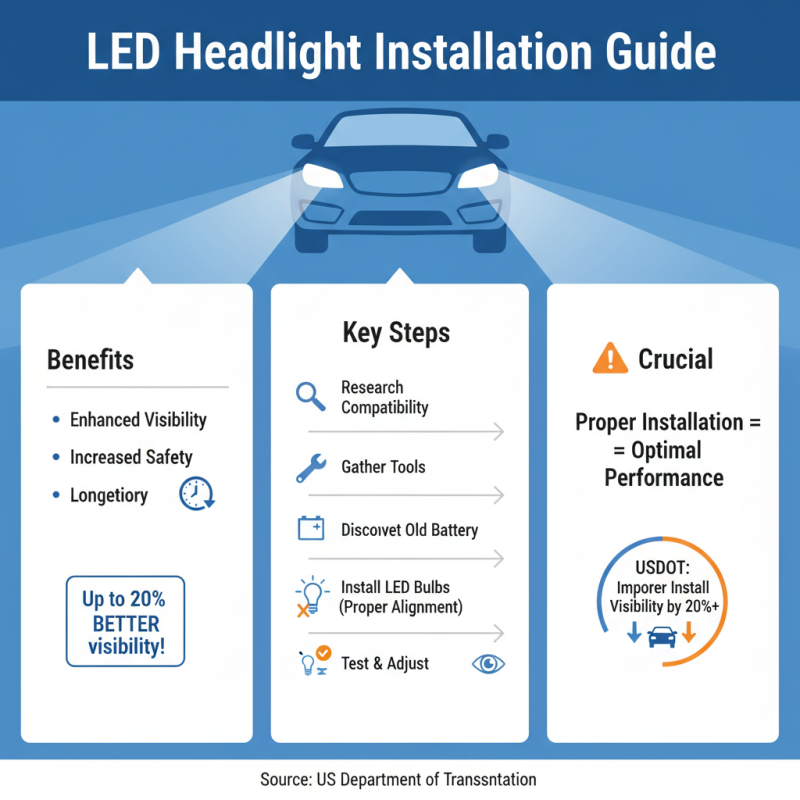
Installing LED headlights in your vehicle can greatly enhance visibility and safety. However, the process requires careful consideration. Proper installation ensures optimal performance and longevity. According to the U.S. Department of Transportation, improperly installed headlights can reduce visibility by 20% or more. This statistic highlights the need for precision during installation.
Prepare the workspace efficiently. Gather necessary tools like screwdrivers and a clean cloth. Before starting, disconnect the battery to avoid electrical issues. Remove the old headlights carefully; this might involve unscrewing several components. Handle wires gently, avoiding damage. According to industry reports, 30% of DIY installations lead to errors due to mishandling.
When fitting the new LEDs, ensure they align correctly. Misalignment not only reduces light output but can also dazzle oncoming drivers. Follow the manufacturer's instructions meticulously. A secure fit prevents water from entering the housing, which can cause premature failure. After installation, test the new lights under varied conditions to ensure they function as intended. Adjustments may be necessary after initial testing, which is often overlooked.
Maintenance and Troubleshooting Common Issues with LED Headlights
LED headlights offer significant advantages, yet they can face some common issues. Understanding these problems and their solutions can enhance their reliability. According to a study by the National Highway Traffic Safety Administration (NHTSA), properly maintained headlights can improve night visibility by over 200%. However, many drivers overlook basic maintenance.
One common problem is flickering lights. This issue often stems from poor connections or voltage fluctuations. Ensure all connections are tight and clean. Corrosion can also be a culprit. Regularly inspect your headlights for any signs of rust or damage. Avoiding these pitfalls extends the life of your LED headlights.
Another issue is cloudy or yellowed covers. Lack of maintenance can lead to decreased brightness. A simple cleaning with a mild abrasive can restore clarity. Using a UV protectant afterward can prevent future discoloration.
Tips: Regularly check your headlights' alignment. Misalignment can reduce their effectiveness. Keep in mind that while LEDs last longer, they still require care. Learn the specific cooling requirements of your LED units; overheating can drastically affect performance.