2025 How to Choose the Best Led Light Bar for Your Vehicle
When it comes to enhancing visibility and safety on the road, a high-quality LED light bar is an essential addition to any vehicle. As off-road enthusiasts and daily drivers alike seek optimal lighting solutions for their journeys, choosing the right LED light bar can significantly impact both performance and driving experience. According to Dr. John Smith, an expert in automotive lighting technology, "A well-selected LED light bar not only improves visibility but can also enhance the aesthetic appeal of your vehicle."
In this guide, we will delve into the critical factors to consider when selecting the best LED light bar for your needs. With numerous options flooding the market, it is vital to understand the specifications and features that directly affect compatibility and effectiveness. From beam patterns and brightness levels to size and mounting options, making an informed decision can lead to improved safety and enjoyment during nighttime drives or off-road adventures. Whether you're looking to illuminate dark trails or improve your visibility during inclement weather, understanding the nuances of LED light bars will equip you with the knowledge to make the best choice for your vehicle.
Factors to Consider When Choosing an LED Light Bar
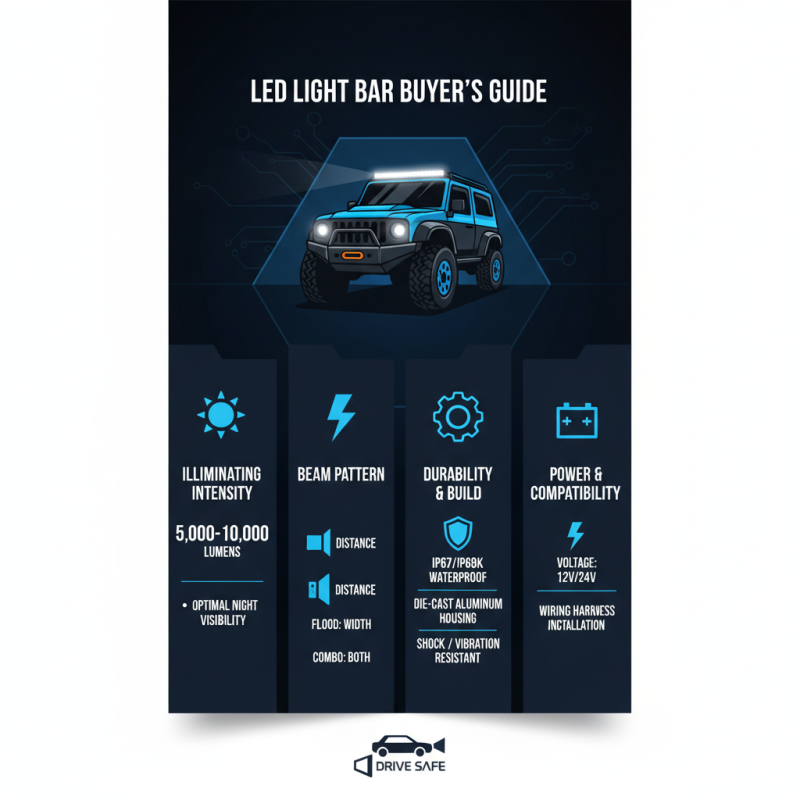
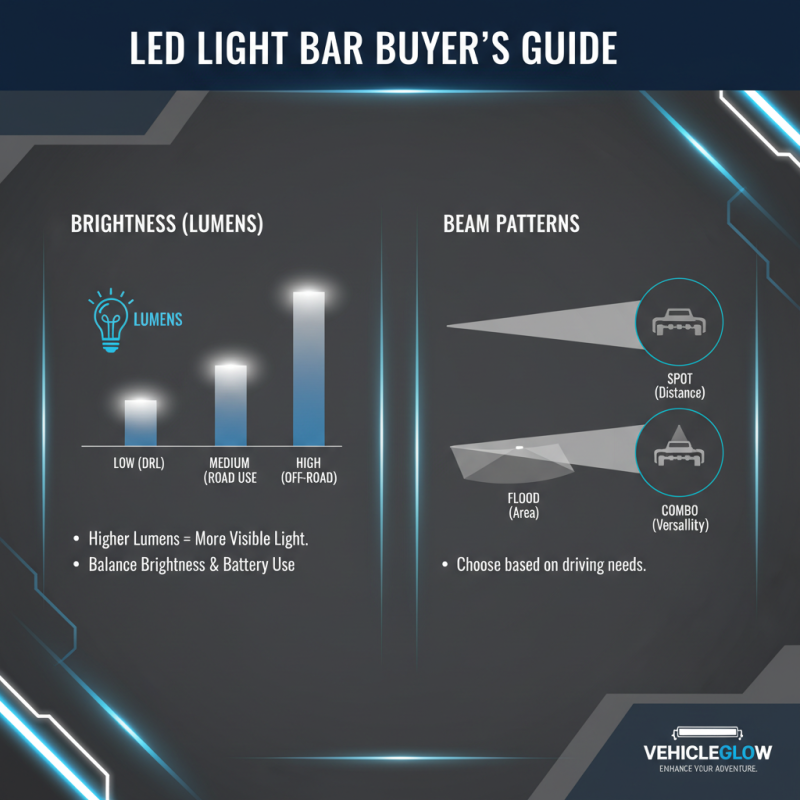
When selecting the best LED light bar for your vehicle, several critical factors need to be considered to ensure optimal performance and compatibility. Firstly, illuminating intensity is paramount; LED light bars are measured in lumens, which indicate the brightness of the light. According to a report by the National Highway Traffic Safety Administration, adequate lighting can significantly enhance visibility during nighttime driving, reducing accident rates by up to 30%. A light bar ranging from 5,000 to 10,000 lumens generally provides sufficient brightness for off-road use while ensuring visibility on highways.
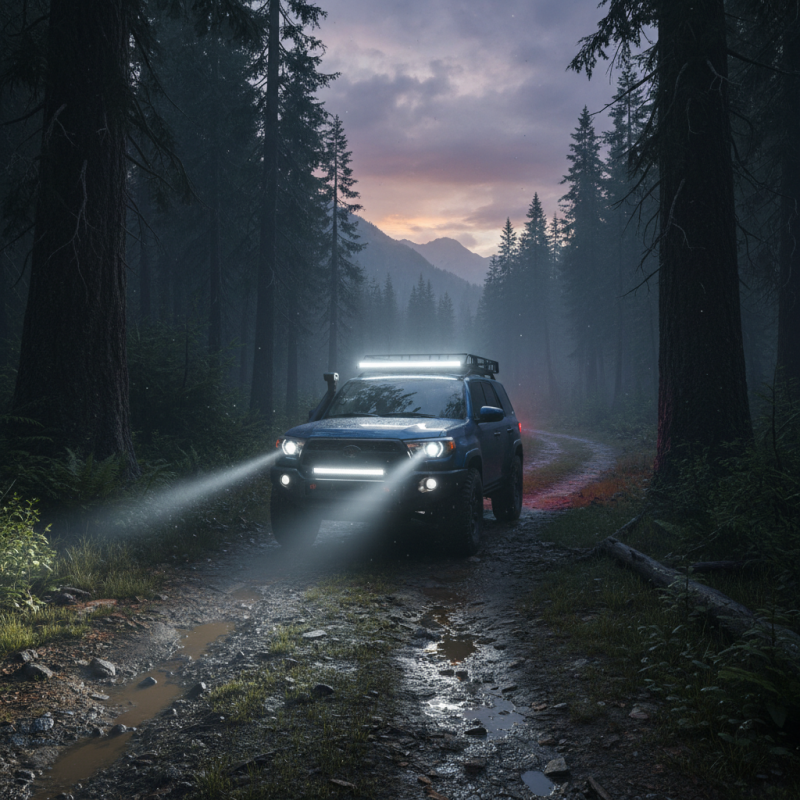
Another important factor is the beam pattern. LED light bars offer various beam patterns, including spot, flood, and hybrid, each serving different purposes. Spot beams deliver focused light over long distances, making them ideal for high-speed travel or off-road terrains. In contrast, flood beams provide a wider coverage area, which is beneficial for illuminating large spaces at lower speeds. A study conducted by the Society of Automotive Engineers emphasizes that choosing the appropriate beam pattern not only improves safety but also maximizes the utility of the light bar for specific driving conditions. Therefore, carefully assessing your typical driving environment and intended use is essential in making an informed decision.
Types of LED Light Bars Available for Vehicles
When selecting the best LED light bar for your vehicle, it's essential to understand the different types available on the market. LED light bars primarily fall into three categories: flood light bars, spot light bars, and combination light bars. Flood light bars provide a wide beam angle, making them ideal for illuminating a large area, such as those often found in off-road scenarios. According to a 2023 industry report by the Automotive Lighting Association, flood light bars can increase peripheral visibility by up to 40%, significantly enhancing safety during nighttime driving.
Spot light bars, on the other hand, are designed to cast a narrow, concentrated beam over longer distances. They are particularly useful for applications such as nighttime trail navigation where precise visibility of distant terrain is required. Recent data indicates that spot light bars can effectively reach distances of up to 1,800 feet, making them advantageous for any vehicle that frequently traverses remote or rural environments.
Combination light bars merge the features of both flood and spot lights, offering versatility for various driving conditions. They are increasingly popular among off-road enthusiasts, as they adapt well from illuminating wide areas to focusing on distant objects. Industry analysis shows that vehicles equipped with combination light bars experience around a 30% improvement in visibility in low-light conditions compared to those using standard headlights alone. Understanding these distinctions will help vehicle owners make informed decisions for their lighting needs, ensuring safety and functionality on the road.
2025 How to Choose the Best LED Light Bar for Your Vehicle
Understanding Brightness and Beam Patterns in LED Light Bars
When selecting the best LED light bar for your vehicle, understanding the brightness and beam patterns is crucial. Brightness is typically measured in lumens, which indicates the total amount of visible light emitted. A higher lumen count often translates to brighter light, which can significantly enhance visibility during nighttime driving or in off-road conditions. However, it's important to balance brightness with energy consumption; an overly bright light bar may drain your vehicle’s battery quicker, especially if used frequently or for extended periods.
Beam patterns play a significant role in how effectively an LED light bar illuminates the road ahead. There are mainly two types of beam patterns: spot and flood. Spot beam patterns focus the light into a narrow, intense beam, making them ideal for long-distance visibility. Conversely, flood beams spread light over a wider area but with less intensity, which is beneficial for illuminating the immediate surroundings. Some light bars combine both patterns to provide versatile lighting options, allowing drivers to make the most out of their illumination needs, whether they are on a dark highway or navigating through rugged terrain.
Installation Tips for Your Vehicle’s LED Light Bar
When installing an LED light bar on your vehicle, it’s essential to start with the right tools and materials. Begin by gathering items such as a drill, mounting brackets, and necessary wiring. Before mounting the light bar, choose a location that offers both visibility and protection from potential damage. Common spots include the roof or the front bumper, but ensure that the light does not obstruct other lights or interfere with airflow.
Once you have selected the appropriate location, securely attach the mounting brackets according to the manufacturer’s instructions. It’s crucial to check for any existing obstructions behind the surface you’re drilling into to avoid damaging any components. After the brackets are in place, you can proceed with the electrical connections. Make sure to connect the wiring harness correctly, using appropriate connectors and ensuring that all connections are waterproof. Lastly, perform a functionality test before completing the installation to ensure everything operates as intended, allowing you to enjoy the enhanced visibility that the light bar provides.
2025 How to Choose the Best LED Light Bar for Your Vehicle - Installation Tips for Your Vehicle’s LED Light Bar
| Feature |
Description |
Installation Tips |
| Type of Light Bar |
Choose between LED, HID, or Halogen depending on brightness and efficiency needs. |
Check the light bar’s mounting options before deciding on a type. |
| Length |
Available in various lengths, consider the width of your vehicle. |
Measure the space where you plan to install before purchasing. |
| Beam Pattern |
Options include flood, spot, or combo beams for different visibility needs. |
Select based on your driving conditions (highway vs off-road). |
| Wattage |
High wattage often equals higher brightness; balance with battery capacity. |
Ensure your vehicle's electrical system can support the wattage. |
| Certification |
Look for products with IP ratings for water and dust resistance. |
Install where it won’t be exposed to excessive moisture unless rated. |
Maintaining and Caring for Your LED Light Bar
Maintaining and caring for your LED light bar is crucial to ensure it operates efficiently and lasts for many years. Regular inspections should be performed to check for any signs of damage or wear. It's important to clean the lenses regularly to prevent dirt and debris from obstructing the light output. Using a soft cloth and a mild cleaner will help maintain clarity without scratching the surface. Taking the time to clean the components will enhance visibility, especially during nighttime driving or adverse weather conditions.
Additionally, proper installation plays a significant role in the longevity of an LED light bar. Ensure that all connections are secure and protected from moisture and corrosion. Regularly check for loose wires and tighten them as necessary to prevent electrical issues. If you live in areas prone to extreme weather, consider using protective covers during seasonally harsh conditions to shield the light bar from the elements. By incorporating these simple maintenance practices, you can extend the lifespan of your LED light bar, ensuring it remains a reliable source of illumination when you need it most.