What is LED Driving Lights? Benefits, Types, and Buying Guide Explained
In the realm of automotive lighting, LED driving lights have emerged as a revolutionary innovation, enhancing visibility and safety on the road. Leading industry expert, John Smith, a renowned automotive lighting engineer, emphasizes the importance of these lights, stating, “LED driving lights provide superior illumination, improving both night vision and overall driving safety.” As vehicles continue to evolve, the adoption of LED technology in driving lights is becoming increasingly prevalent, offering numerous benefits over conventional lighting options.
LED driving lights are designed to cast a brighter and more focused beam, significantly increasing the ability to see obstacles and hazards in low-light conditions. Their longevity and energy efficiency further contribute to their growing popularity among drivers seeking both performance and sustainability. With a variety of types available, including spotlights, floodlights, and combination lights, selecting the right LED driving lights can greatly enhance your driving experience. This guide aims to explore the benefits, different types of LED driving lights, and provide essential tips for making an informed purchase. Whether you're a daily commuter or an off-road enthusiast, understanding LED driving lights will empower you to make the best choice for your vehicle's lighting needs.

What Are LED Driving Lights and How Do They Work?
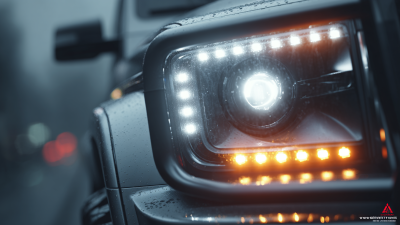
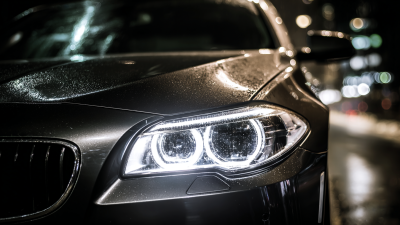
LED driving lights are specialized lighting fixtures designed to enhance visibility during nighttime or adverse weather conditions. Operating on the principle of light-emitting diodes (LEDs), these lights provide a bright and focused beam, which is more efficient compared to traditional halogen bulbs. Depending on their design, LED driving lights can emit a variety of light outputs, from a broad spread for close-range visibility to a concentrated beam for long-distance illumination.
When choosing LED driving lights, consider their lumen output, beam pattern, and durability. A higher lumen count translates to brighter light, which can significantly improve your nighttime driving experience. Moreover, you should check the beam pattern; some lights are designed for spotlighting while others offer more of a floodlight effect. Durability is also crucial, as LED driving lights are often exposed to harsh environmental conditions. Look for lights that are water-resistant and built with sturdy materials.
**Tips:** Always ensure your LED driving lights comply with local regulations regarding brightness and beam patterns, as improper usage can result in legal issues or safety concerns. Additionally, consider investing in lights with adjustable mounting options, allowing you to customize the angle for optimal illumination based on your driving needs.
Key Benefits of Using LED Driving Lights for Vehicles
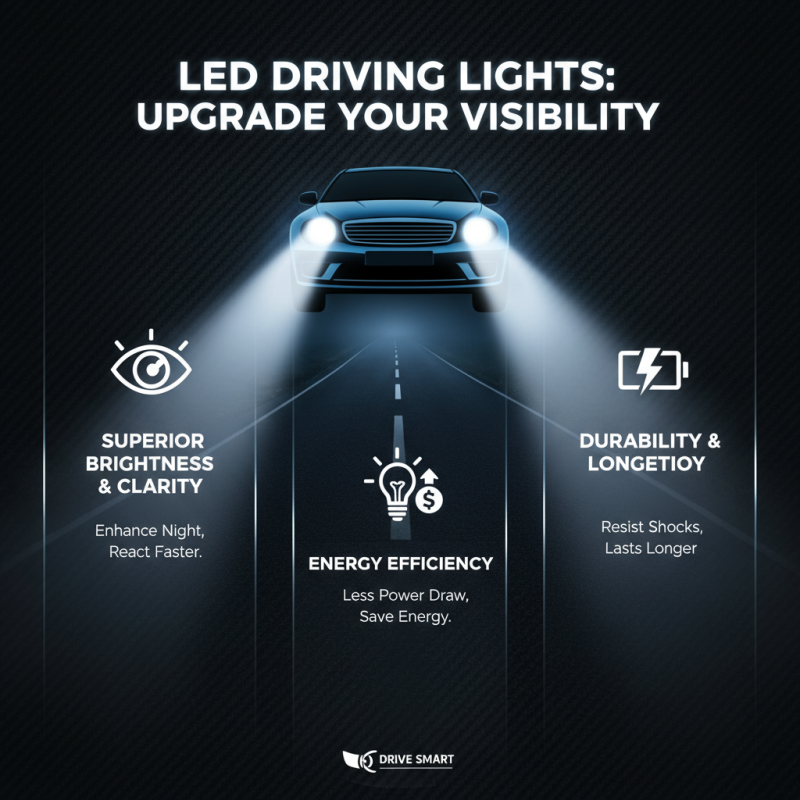
LED driving lights are rapidly becoming a popular choice among vehicle owners for a multitude of reasons. One of the key benefits of using LED driving lights is their superior brightness and clarity. The intense light produced by LEDs enhances visibility during nighttime driving and in poor weather conditions, allowing drivers to see further down the road and react to obstacles more swiftly. Additionally, LED lights are efficient, consuming less power compared to traditional halogen or incandescent lights, which translates to lower energy costs and reduced strain on the vehicle's electrical system.
Another significant advantage of LED driving lights is their longevity. These lights have a much longer lifespan, often lasting up to 50,000 hours or more, which means fewer replacements and reduced maintenance costs over time. Moreover, their compact and versatile design allows for easier installation on various vehicle types, from trucks to SUVs. With minimal heat production, LEDs also reduce the risk of damage to surrounding components due to overheating.
**Tips:** When selecting LED driving lights, consider the beam pattern that best suits your driving needs. Spot beams provide focused light over long distances, while flood beams offer wider illumination for broader visibility. Additionally, always check for waterproof and dustproof ratings to ensure reliability in different environmental conditions.
Different Types of LED Driving Lights Available in the Market
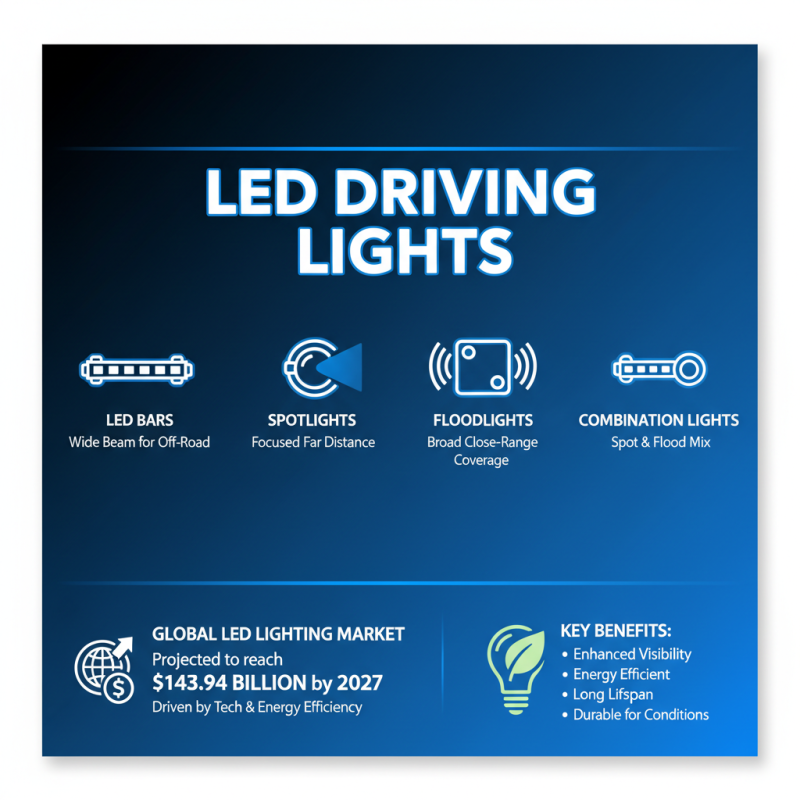
When it comes to LED driving lights, the market offers a diverse range of options tailored to various driving needs and conditions. The most common types include LED bars, spotlights, floodlights, and combination lights. LED bars tend to provide a wide beam spread, making them ideal for off-road adventures where visibility is crucial. According to a report by MarketsandMarkets, the global LED lighting market is projected to reach $143.94 billion by 2027, driven largely by advancements in light technology and a growing demand for energy-efficient lighting solutions, including driving lights.
Spotlights, on the other hand, emit a concentrated beam, perfect for illuminating distant objects and navigating through dark terrains. These lights are particularly popular among enthusiasts who frequently venture into off-road or rural environments. Floodlights offer a broader light dispersal, ensuring visibility in close proximity, which is often vital for construction sites or roadside assistance. Combination lights provide the best of both worlds, merging the benefits of spot and floodlight designs, catering to those seeking versatile options for various driving scenarios. As the market for LED driving lights expands, consumers are increasingly interested in energy efficiency, durability, and brightness specifications, making it essential for buyers to consider these factors when making a selection.
Factors to Consider When Buying LED Driving Lights
When considering the purchase of LED driving lights, several key factors come into play to ensure you select the best fit for your needs. First and foremost, brightness is a critical aspect. Measured in lumens, the brightness level you require can vary depending on your typical driving conditions. For instance, if you often navigate dark, rural roads, a higher lumen output is beneficial, ensuring ample visibility.
Additionally, consider the color temperature of the lights; a cooler light (around 6000K) may provide better clarity, while warmer lights can reduce eye strain in foggy conditions.
Another important consideration is the use and mounting style of the LED lights. There are various types, such as floodlights, spotlights, or a combination of both, each designed for different applications. A floodlight offers a wide beam for close visibility, whereas a spotlight focuses light over a greater distance.
The mounting options, whether on the roof, bumper, or as a part of your vehicle's existing lighting setup, also play a vital role in how effectively they'll serve your needs. Furthermore, ensure that the lights you choose are durable and weather-resistant, as outdoor environments can be harsh. Checking for features like waterproof ratings and UV protection can help ensure longevity and performance over time.
Installation and Maintenance Tips for LED Driving Lights
When installing LED driving lights, proper placement is crucial to maximize their effectiveness. It's advisable to mount the lights as low as possible, ideally within the vehicle's bumper area. This positioning helps to minimize glare for oncoming drivers while providing optimal illumination of the road ahead. Ensure to align the lights correctly, as a misalignment can lead to inefficient lighting and potentially create hazardous driving conditions.
Using a level and securing the lights firmly with robust brackets can enhance stability and reliability.
Maintenance of LED driving lights is relatively simple, yet it is key to ensuring longevity and performance. Regularly check the light housing for any signs of damage or dirt accumulation, as debris can obstruct the light output. Cleaning them with a mild soap solution and a soft cloth can refresh their clarity. Additionally, inspect the wiring connections periodically to ensure there is no corrosion or loose fittings.
If you experience flickering lights, it may indicate loose connections or issues with the electrical system that should be addressed promptly to avoid further complications.
Regular care and timely maintenance can ensure your LED driving lights function effectively throughout their lifespan.