Top LED Lights Headlights for Enhanced Visibility and Safety on the Road?
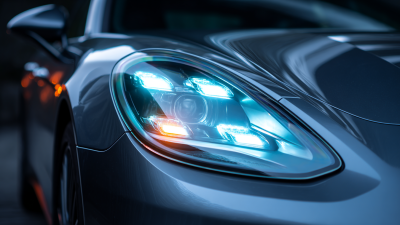
In today's fast-paced world, ensuring safety on the road is paramount. One key innovation in automotive lighting is "Led Lights Headlights." These headlights offer brighter illumination and improved visibility, helping drivers navigate various conditions. Renowned industry expert, Dr. Emily Tran, emphasizes, "The right headlights can drastically reduce accidents by enhancing visibility at night."
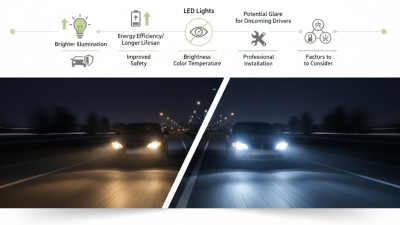
Led Lights Headlights are more energy-efficient than traditional options. They provide longer-lasting illumination, reducing the frequency of replacements. However, not all LED headlights are created equal. Drivers should research and select options that meet safety standards. Some products may promise high brightness but can cause glare for oncoming traffic.
While the advantages are clear, selecting the best product can be challenging. Personal experiences vary, and not every model will suit all vehicles. It's crucial to consider factors like light pattern and color temperature. So, how do you balance brightness with safety? The market is filled with choices, but reflection on personal needs is essential for making the right decision.
Benefits of Upgrading to LED Headlights for Road Safety
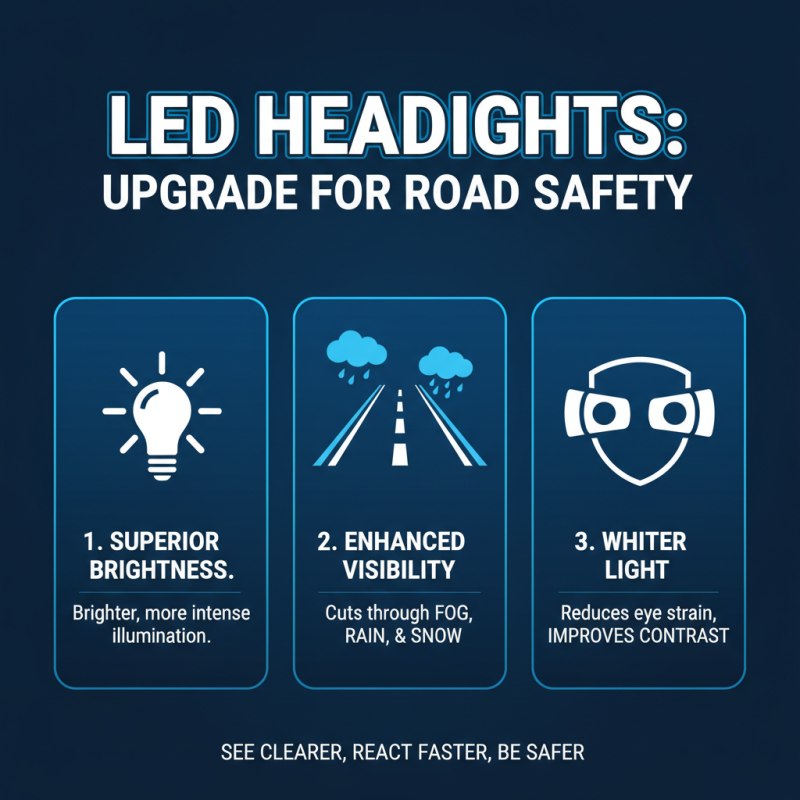
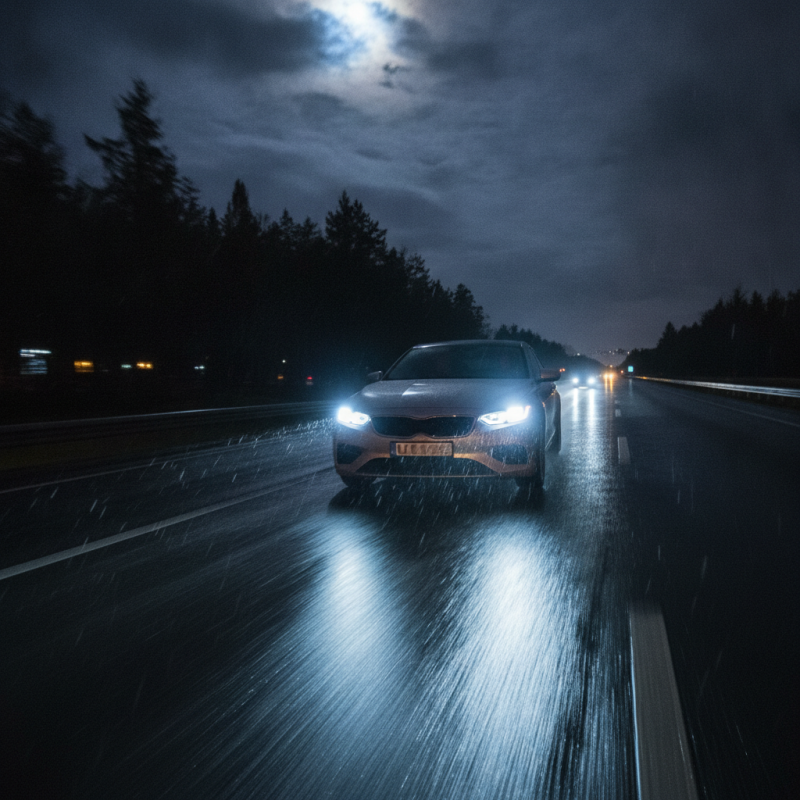
Upgrading to LED headlights offers numerous benefits that enhance road safety. One significant advantage is their superior brightness. LED lights emit a whiter light compared to traditional bulbs. This whiter light improves visibility, especially in adverse weather conditions. Fog, rain, and snow can obscure vision. LED headlights cut through these conditions effectively.
Another benefit is energy efficiency. LED headlights consume less power. This means your vehicle’s battery lasts longer, contributing to overall vehicle reliability. Additionally, LED lights have a longer lifespan. They can outlast traditional bulbs by years, reducing the frequency of replacements. This longevity can save money over time.
However, some drivers may hesitate to switch. They might fear the initial cost or installation difficulties. It's essential to weigh these concerns against the long-term benefits. In some cases, poor installation can lead to other issues, such as improper beam alignment. Careful research and professional help can mitigate these risks.
Enhancing road safety with bright, efficient, and long-lasting lights is a worthwhile consideration. Upgrading to LED headlights could be one of the best decisions for your vehicle's lighting system.
Key Features of Top LED Headlight Models for Enhanced Visibility
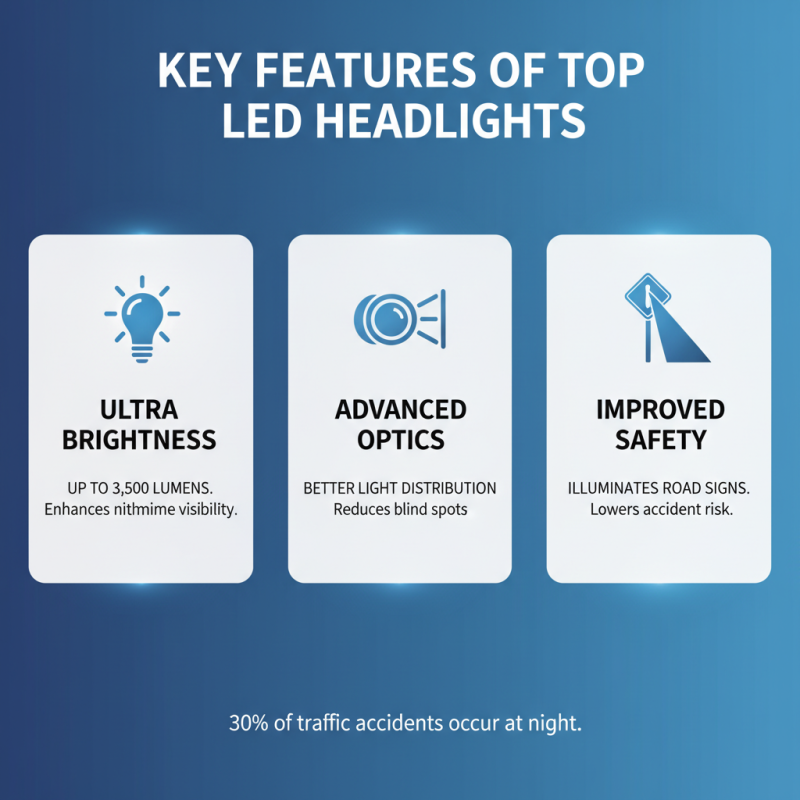
When it comes to LED headlights, visibility and safety are paramount. Recent reports highlight that over 30% of traffic accidents occur at night, underscoring the need for reliable lighting. The best LED headlights offer up to 3,500 lumens of brightness, significantly improving road visibility. Modern models utilize advanced optics for better light distribution, reducing blind spots and illuminating road signs effectively.
One key feature of top LED headlights is their lifespan. Most high-quality models last up to 30,000 hours. This longevity means fewer replacements and reduced waste. Furthermore, energy efficiency plays a role. Studies indicate that LED headlights consume up to 75% less energy compared to traditional halogen bulbs. This helps both the environment and your vehicle's battery life.
Tip: Regularly clean your headlights to maintain optimal performance. Dust and grime can scatter light and reduce efficacy. A simple wipe can make a big difference in your visibility. It's also important to check your headlight alignment. Misaligned headlights can blind oncoming drivers and reduce your own visibility. Always ensure they are properly adjusted for safe driving.
Comparative Analysis: LED Headlights vs. Halogen and Xenon Options
When choosing headlights, the three main options are LED, halogen, and xenon. LED headlights are known for their efficiency and brightness. They offer a longer lifespan than traditional halogen bulbs. Halogen lights tend to be cheaper but fade quickly. They may not provide the brightness needed for safe nighttime driving. Xenon lights deliver powerful illumination, but they can be intense and blinding for oncoming drivers.
In terms of performance, LED headlights excel in providing clear visibility. Their light is whiter and more focused, making it easier to see road signs and hazards. Halogen options often produce a yellowish hue. This can limit visibility, especially in poor weather conditions. Installation of LED headlights can be more complex, requiring specific knowledge or tools.
**Tip:** Always check local regulations before upgrading to LED lights. Not all vehicles are compatible.
**Tip:** Consider the beam pattern of the lights you choose. A poorly designed beam can create dangerous glare for others.
In the end, while LED headlights shine for visibility, halogen and xenon lights may still have their place depending on individual needs and vehicle compatibility. Each option has its pros and cons, and reflection on your driving habits is essential.
Comparison of Headlight Types: LED vs. Halogen vs. Xenon
Industry Standards and Regulations for Automotive Headlight Performance
When choosing headlights for vehicles, understanding industry standards is crucial. The American National Standards Institute (ANSI) and the Society of Automotive Engineers (SAE) set clear guidelines for headlight performance. For instance, ANSI specifies minimum requirements for luminous intensity. Headlights must provide adequate visibility on unlit roads at a distance of at least 150 feet. This ensures that drivers can identify obstacles in time, reducing the risk of accidents.
Moreover, the Federal Motor Vehicle Safety Standards (FMVSS) mandates that all vehicle headlights meet specific brightness levels. A report from the NHTSA indicates that poor illumination contributes to about 40% of nighttime accidents. Yet, many drivers are unaware of how varying headlight types, such as halogen versus LED, can impact performance. LED headlights, for example, can produce up to 3,000 lumens, significantly enhancing visibility. However, there is ongoing debate about their glare effect on oncoming drivers, raising safety concerns.
As technology evolves, regulations must adapt. Some regions are exploring stricter guidelines for headlight brightness. Current standards may become outdated as new lighting technologies enter the market. It's essential for manufacturers to stay informed and comply with regulations while prioritizing safety and visibility on the road. Keeping abreast of these developments ensures optimal road safety for all drivers.
Installation Guide for Optimal LED Headlight Usage and Maintenance
Installing LED headlights can significantly enhance your visibility while driving. Accurate installation is crucial. Start by gathering necessary tools, including a screwdriver and gloves. Always ensure your vehicle is turned off and parked on a flat surface. This prevents any accidents or short circuits. After removing the old bulbs, handle the new LED lights carefully. Their sensitivity to moisture and contaminants can affect performance.
Regular maintenance of your LED headlights is essential for longevity. Clean the lens periodically to remove dirt and grime. A clean lens ensures maximum brightness and visibility. Check connections for corrosion or wear. These issues can lead to flickering lights or complete failure. If you notice any issues, addressing them promptly can prevent more significant problems later.
Not all installations go perfectly. Sometimes, improper alignment can occur. This may result in poor light distribution or blinding other drivers. Regularly assess the beam angle after installation. Adjust it if necessary. Reliable visibility not only improves your safety but also enhances the driving experience for everyone on the road.
Top LED Lights Headlights for Enhanced Visibility and Safety on the Road
| Feature |
Description |
Benefits |
Maintenance Tips |
| Brightness |
Measured in lumens, indicating visibility range. |
Improved night-time visibility enhances safety. |
Clean lenses regularly to avoid reduced brightness. |
| Durability |
Resistant to shocks and vibrations, suitable for rough roads. |
Longer lifespan reduces replacement frequency. |
Check for damage regularly, especially after off-road use. |
| Color Temperature |
Measured in Kelvin (K), indicating the light color. |
Cooler temperatures improve visibility under various conditions. |
Ensure bulbs match your vehicle's specifications for optimal performance. |
| Installation Ease |
Simple installation process, often plug-and-play. |
DIY installation can save money on professional services. |
Follow the installation guide thoroughly to avoid issues. |
| Compatibility |
Fits various vehicle models and makes. |
Enhances vehicle’s look and functionality. |
Verify compatibility with your vehicle before purchase. |