Top 10 Best Auto Led Lights for Your Car in 2026?
In recent years, the demand for Auto LED Lights has surged dramatically. According to a report by Grand View Research, the global automotive LED market is predicted to reach $33 billion by 2026. This significant growth is driven by consumers’ increasing need for enhanced visibility, energy efficiency, and aesthetic appeal in automotive lighting.
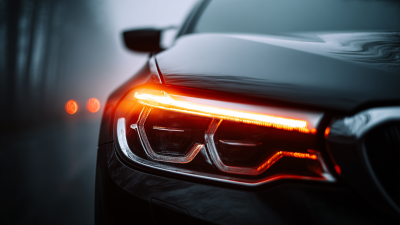
Industry expert James Carter remarks, "Auto LED Lights not only illuminate the road ahead but also enhance the overall vehicle design." His insight emphasizes the dual function of these lights, merging practicality with style. With advancements in technology, the efficiency of Auto LED Lights has improved, yet many consumers still grapple with choosing the right product for their needs.
Auto LED Lights have become a crucial component in modern vehicles. However, navigating the vast array of options can be daunting. Some products might not deliver on their promises, leading to buyer frustration. It’s important to recognize that quality can vary. As we explore the top 10 options for 2026, we aim to highlight those that truly stand out in performance and reliability.
Overview of Auto LED Lights and Their Benefits for Vehicles
Auto LED lights are revolutionizing vehicle lighting. They offer bright illumination while being energy efficient. This efficiency translates into longer battery life and less strain on the car's electrical system. Additionally, they tend to last much longer than traditional bulbs, reducing the need for frequent replacements.
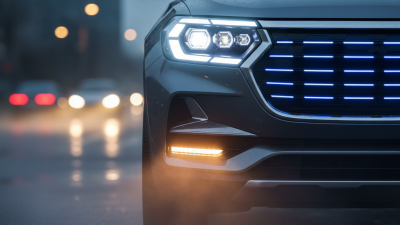
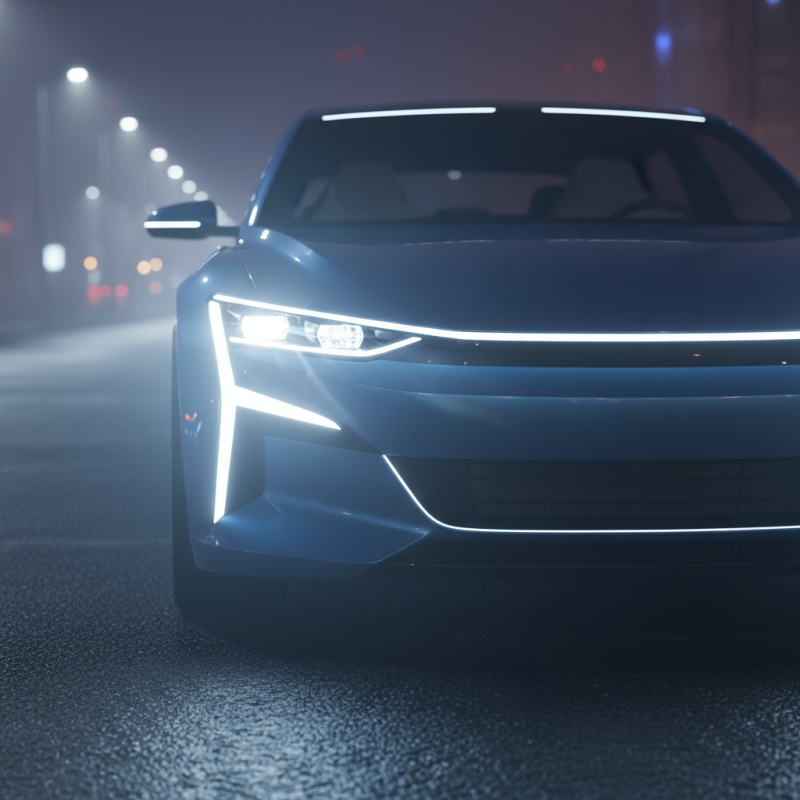
One key benefit of auto LED lights is enhanced visibility. This is particularly important in adverse weather. Poor visibility can lead to accidents. A good set of LED lights helps in navigating through rain, fog, or darkness. They cut through the gloom effectively.
Tips: When choosing LED lights, consider the beam pattern. A well-distributed light can significantly improve road visibility. Pay attention to the color temperature as well. Warmer colors may offer a softer glow, while cooler tones provide a more focused beam. Remember, though, that not all LED lights may fit every vehicle type perfectly. Some modifications might be necessary. Reflect on the installation process and potential challenges.
Top 10 Best Auto Led Lights for Your Car in 2026
| Model |
Type |
Lumens |
Color Temperature (K) |
Lifespan (Hours) |
Price (USD) |
| Model A |
Headlight |
3200 |
6000 |
50000 |
89.99 |
| Model B |
Fog Light |
2400 |
5000 |
30000 |
49.99 |
| Model C |
Interior |
800 |
4000 |
20000 |
39.99 |
| Model D |
Brake Light |
1500 |
5000 |
25000 |
29.99 |
| Model E |
Turn Signal |
1200 |
3000 |
30000 |
25.99 |
| Model F |
Work Light |
4000 |
6000 |
60000 |
99.99 |
| Model G |
Underbody |
3000 |
6500 |
50000 |
79.99 |
| Model H |
Daytime Running |
2000 |
5500 |
40000 |
45.99 |
| Model I |
Cornering Light |
1800 |
5000 |
35000 |
35.99 |
| Model J |
License Plate |
600 |
4000 |
20000 |
19.99 |
Factors to Consider When Choosing LED Lights for Your Car
When choosing LED lights for your car, several factors come into play. Brightness is key; a good LED light should offer clear visibility without blinding oncoming drivers. Look for lights measured in lumens. A higher lumen number typically means brighter light.
The color temperature is another important aspect. Most prefer a color temperature between 5000K and 6500K. This range resembles daylight and enhances visibility. However, some may find brighter lights can cause glare. Dimmer options might be better for some drivers.
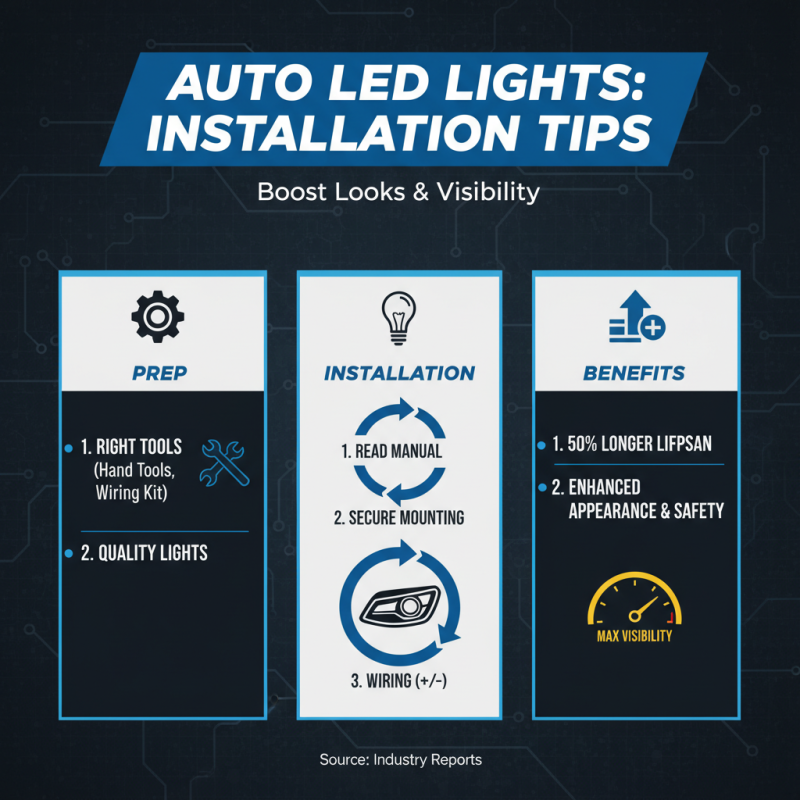
Installation ease also matters. Some LED lights require professional installation, while others are user-friendly. Read reviews to find out what others experienced. Durability should not be overlooked either. Consider the material and waterproof ratings. Cost can be a concern, but investing in quality products can save money in the long run.
Top 10 Auto LED Lights: Detailed Reviews and Comparisons
When choosing auto LED lights, there are many options. The market is flooded with various products. Each has unique features. Some lights offer bright illumination, while others focus on energy efficiency. This can be confusing for car owners. Many don’t know what to prioritize. Brightness is crucial, but longevity matters too.
In detailed reviews, brightness often stands out. Several lights can light up the road effectively. However, some products fail after a short time. This can be frustrating. Auto LED lights should last years, but not all do. Some users report flickering within months of use. Durability is essential as well. High-quality materials can withstand harsh weather.
Comparisons are vital. Some lights excel in efficiency, consuming less power. Others provide a range of color temperatures. It's essential to match the lights to your car's style. You want a cohesive look. Yet, personal preferences play a huge role. Some might prefer warm colors, while others like cooler tones. There's no universally perfect choice. Car owners should explore options carefully.
Future Trends in Automotive LED Lighting Technology for 2026
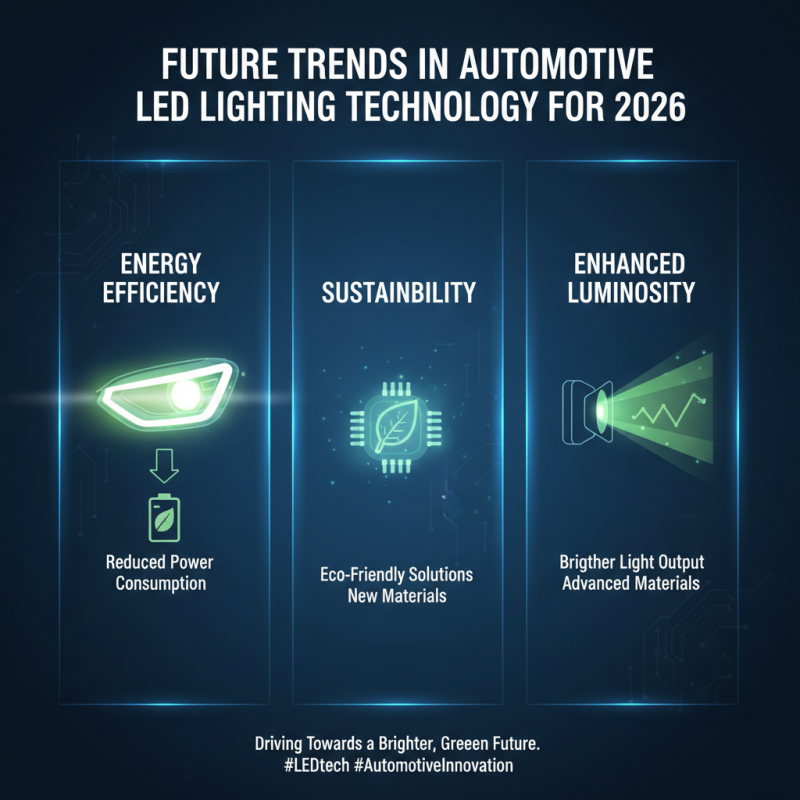
As we approach 2026, automotive LED lighting technology is poised for remarkable advancements. The focus is shifting towards energy efficiency and sustainability. New materials will enhance luminosity while consuming less power. This is crucial as more drivers seek eco-friendly solutions for their vehicles.
Smart lighting is gaining traction. LEDs will adapt their brightness based on surrounding conditions. For example, the lights may dim during city driving but brighten on dark country roads. This approach maximizes visibility while reducing glare. However, the integration of such technology raises questions about compatibility. Some older vehicles may not support these upgrades.
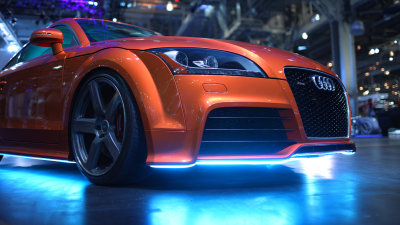
Customization is another trend to watch. Drivers want unique lighting that reflects their style. Features like color-changing options or animated light displays are becoming popular. Still, it’s important to balance aesthetics with safety. Overly flashy lights could distract other drivers on the road. These developments highlight the ongoing dialogue in automotive communities. With progress comes responsibility, and reflection is vital for the future.