Top Car Flood Lights for Optimal Visibility on Your Adventures?
When it comes to off-road adventures, visibility is crucial. "Car Flood Lights transform the night into day," states John Harrison, an expert in automotive lighting. His insight underscores the importance of proper illumination for safety and navigation while driving in the dark.
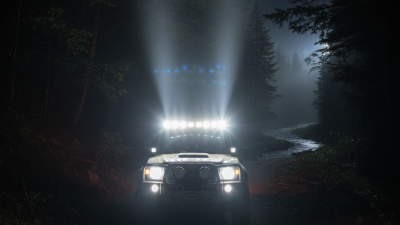
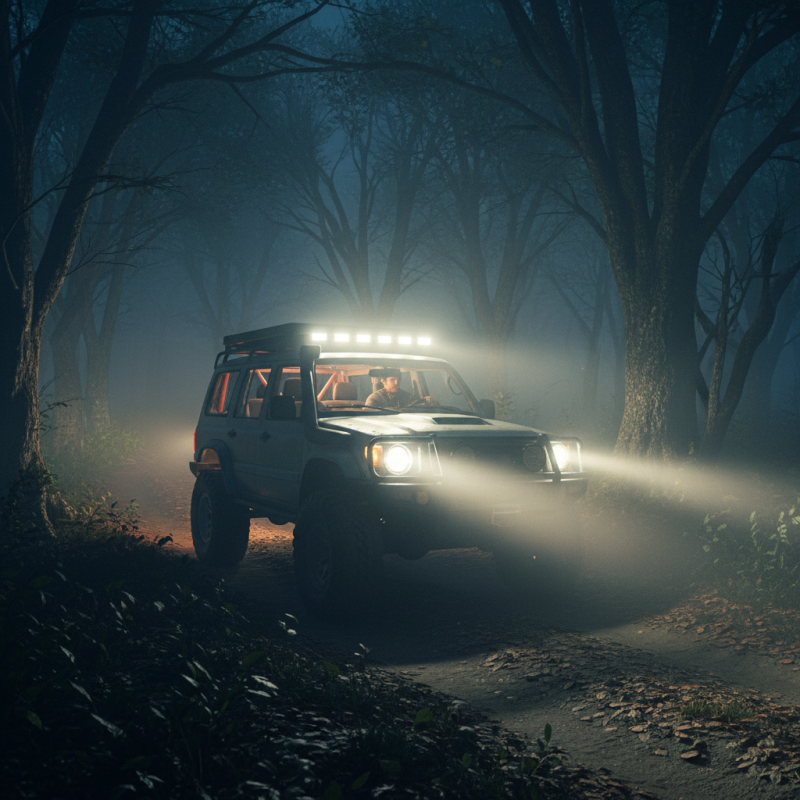
Car Flood Lights serve as essential tools for those who explore rugged terrains or travel during nighttime. They provide a wide beam of light that enhances visibility in unpredictable conditions. Imagine cruising down a winding path or through dense fog, where a reliable source of light can make all the difference.
Even the best equipment may have drawbacks. Some flood lights can be too bright for certain situations, leading to temporary blindness for oncoming vehicles. Choosing the right flood light requires careful consideration of brightness, beam pattern, and power consumption. Ultimately, knowing what to look for can significantly improve your driving experiences.
Understanding the Importance of Car Flood Lights for Adventurers
Car flood lights are essential for adventurers seeking optimal visibility. They illuminate vast areas, helping drivers navigate through rough terrains and dark environments. Research indicates that 90% of driving decisions are made based on visual information. When exploring off-road paths or camping at night, good lighting becomes critical.
Choosing the right flood light can be overwhelming. Consider brightness, beam distance, and durability. Many models offer 3,000 to 5,000 lumens of brightness. This level significantly enhances visibility in pitch-black conditions. Additionally, IP ratings are vital. Flood lights with higher IP ratings are more resistant to dust and water, which is crucial for outdoor adventures.
**Tips:** Check the light's beam angle. A wider beam spreads light over a larger area. Avoid overly focused beams; they may limit your visibility. Also, think about the installation process. Some lights require professional installation. Ensure you understand the requirements before buying.
Remember, it's okay to experiment. Not every light will meet your needs perfectly. Take time to find the best fit through trial and adjustment. Explore different settings and understand how each flood light performs. Those lessons will make your adventures safer and more enjoyable.
Top Car Flood Lights for Optimal Visibility on Your Adventures
This bar chart represents the brightness (measured in lumens) and beam distance (measured in meters) of various popular car flood lights. The data illustrates the importance of selecting the right flood lights for enhancing visibility during adventurous excursions.
Key Features to Look for in High-Quality Car Flood Lights
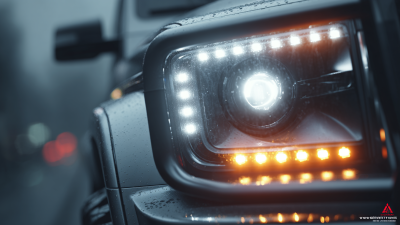
When choosing car flood lights, there are essential features to consider. Brightness is crucial for visibility. The lumens rating indicates how bright the light is. Look for higher numbers for better illumination. The type of bulb also matters. LEDs are popular for their efficiency. They illuminate wide areas without consuming too much power.
Durability is another important factor. Car flood lights often face harsh conditions. They need to be weather-resistant and able to withstand vibrations. Check if the lights have an IP rating. A higher rating means better protection against water and dust. Additionally, consider the mounting options. Flexible mounts allow for easy adjustments.
Here are a few tips to narrow down your choices. Think about your specific needs. Will you use them for off-roading or casual driving? It helps to choose the right features. Don't overlook the installation process. Some lights require complicated setups. Ensure you are comfortable with DIY or seek professional help. Remember, the goal is optimal visibility on your adventures.
Top Car Flood Lights for Optimal Visibility on Your Adventures
| Model |
Lumens |
Beam Distance |
IP Rating |
Wattage |
Weight |
| Flood Light A |
5000 |
200m |
IP68 |
50W |
2.5 kg |
| Flood Light B |
3000 |
150m |
IP67 |
30W |
1.8 kg |
| Flood Light C |
4500 |
180m |
IP65 |
40W |
2.0 kg |
| Flood Light D |
6000 |
220m |
IP69 |
60W |
3.0 kg |
Top Brands and Models for Optimal Car Flood Lighting
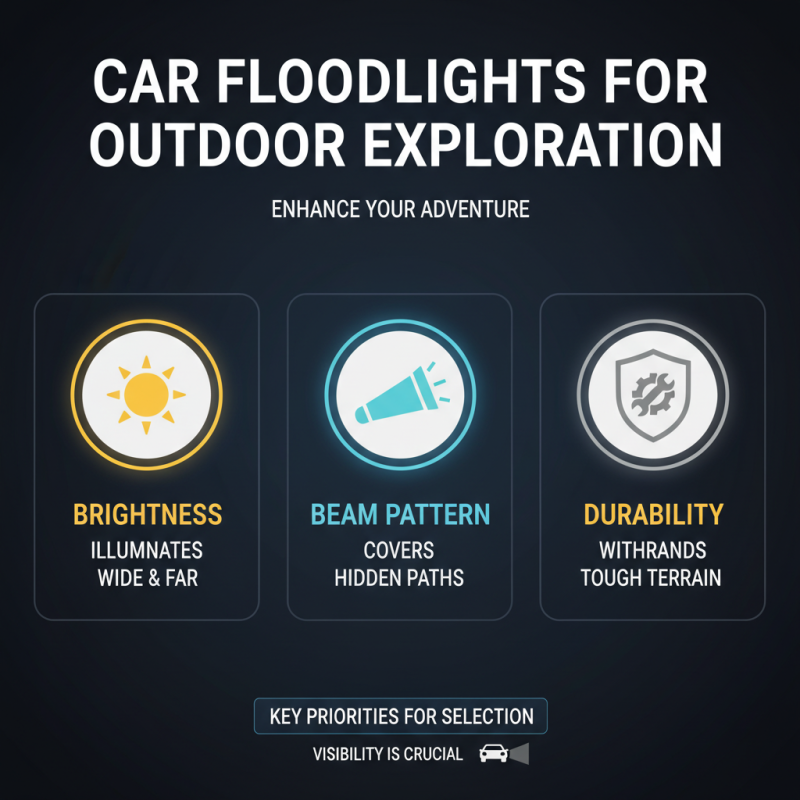
When exploring the outdoors, visibility is crucial. Quality car flood lights can significantly enhance your experience. Many options are available, making it hard to choose. Brightness, beam pattern, and durability should be top priorities when selecting lights. You want illumination that stretches wide and far, illuminating paths that may be hidden in the dark.
Different models offer unique features and performance metrics. Some lights are compact and easy to install, while others can withstand harsh conditions. Paying attention to the materials used is essential. Lights made from corrosion-resistant materials last longer. However, finding the right balance between price and quality can be tricky.
Check user reviews to gauge real-world performance. While manufacturers often flaunt high lumens and advanced technology, the actual output may vary. Test any lights in various conditions, including rain or fog. Some might find their flood lights effective one day and frustrating the next. Your needs might not reflect the next adventurer's. Take the time to learn which models truly deliver in the field.
Maintenance and Safety Tips for Car Flood Lights During Adventures
When venturing into the great outdoors, car flood lights are essential. They enhance visibility during early mornings or late nights. However, maintaining these lights is crucial for safety.
Regularly inspect your flood lights. Check for any cracks or damage. Ensure they are securely mounted. A loose light can fall during bumpy rides. Clean the lenses with a soft cloth to remove dirt and debris. This keeps your lights bright and effective.
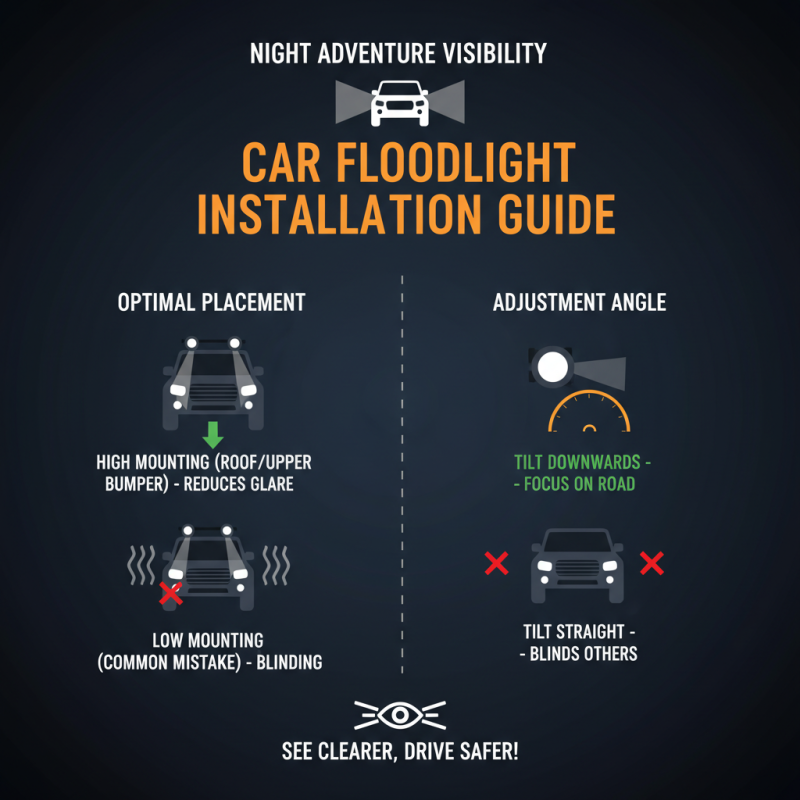
Consider how you use your flood lights. Are they aimed correctly? Misaligned lights can blind other drivers. This can create dangerous situations. Always adjust the angles before hitting the road. Lastly, remember to turn them off when not needed. Leaving them on can drain your battery and cause inconvenience.
Be mindful of weather conditions. Heavy rain or snow can affect light performance. It’s wise to test them under various conditions. Knowing their limits can prevent mishaps on your adventures. Stay safe while exploring!