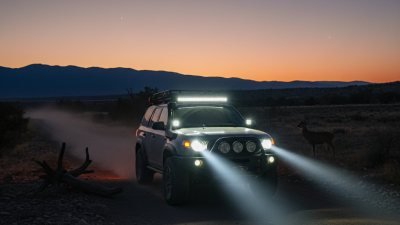
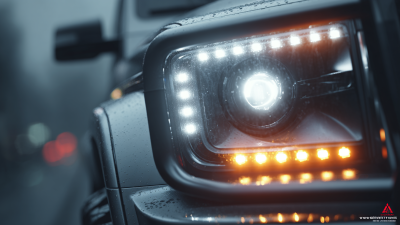
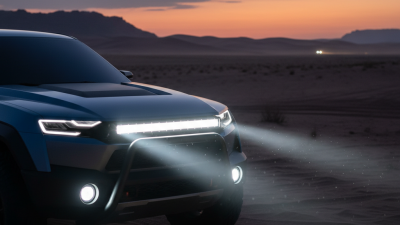
Top Led Driving Lights Trends for 2026 What Buyers Need to Know
As we look ahead to 2026, the landscape of LED driving lights continues to evolve. With advancements in technology, features are becoming more sophisticated. Buyers need to stay informed about these trends to make the best choices. LED driving lights offer superior brightness and energy efficiency compared to traditional options. However, navigating the market can feel overwhelming.
Many consumers might underestimate the importance of quality in LED driving lights. Not all products are created equal. Factors like beam pattern, color temperature, and durability can significantly impact performance. Investing in high-quality lights is essential for safety and visibility on the road. Some lights may appear appealing, but their performance often falls short.
Trends are shifting towards smarter designs that cater to various driving conditions. Technologies such as adaptive lighting and integrated sensors are emerging. Buyers need to consider their specific needs when selecting LED driving lights. Understanding these trends will empower consumers to make informed decisions. The wrong choice could lead to dissatisfaction. So, do thorough research before making a purchase.
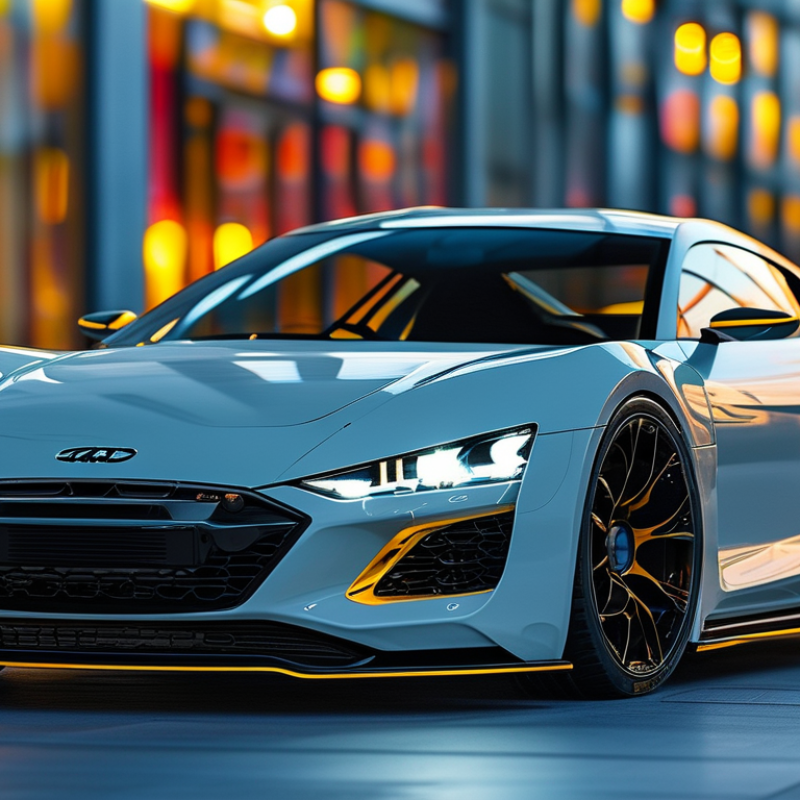
Top LED Driving Lights Trends Shaping the Market in 2026
As we look ahead to 2026, several trends in LED driving lights are already beginning to shape the market. One primary change is the shift towards adaptive lighting technologies. These systems automatically adjust brightness based on driving conditions. For instance, when navigating through fog or heavy rain, the lights improve visibility significantly. This technology is gaining traction because drivers seek safer and more intuitive lighting options.
Additionally, energy efficiency remains a vital focus. Manufacturers are developing LED lights that consume less power while offering better performance. This not only reduces the burden on a vehicle's battery but also aligns with sustainability goals. Buyers today are more informed about environmental impacts. They prefer products that minimize energy waste. Integration with smart vehicle systems is also becoming more common. This allows for seamless interaction between the lights and the vehicle’s operating systems.
However, the landscape is not without its challenges. As features become more advanced, the cost of LED driving lights tends to rise. Some consumers may hesitate to invest deeply in these systems. Balancing cost and functionality is crucial. Buyers must reflect on their actual needs versus advanced features. Overall, staying informed about these trends will empower buyers to make better choices.
Key Factors Driving Demand for LED Driving Lights Among Consumers
As we look towards 2026, the demand for
LED driving lights continues to grow.
Consumers are increasingly drawn to the energy efficiency
and brightness these lights offer. Unlike traditional bulbs, LED lights consume less power while
providing superior illumination. This enhanced visibility improves safety
on the road, especially during nighttime travels.
Additionally, durability plays a significant role in driving consumer interest. LED lights often have
longer lifespans compared to incandescent options. This quality appeals to buyers who value
long-term investments in their vehicles. However, some
consumers may overlook the need for regular maintenance,
which can affect performance over time.
Design and aesthetics are also important factors. Buyers
appreciate the sleek, modern look of LED lights. Customizable options
allow for personalization, making vehicles stand out. Yet, not all consumers consider how brightness
levels can vary, which may lead to unsatisfactory purchases.
Understanding specifications and choosing the right product becomes essential in this evolving market.
Innovations in LED Technology Enhancing Performance and Efficiency
The LED driving lights market is rapidly evolving. Innovations in LED technology promise to enhance performance and efficiency significantly. According to a report by the Lighting Research Center, LEDs can offer up to 90% energy efficiency compared to traditional lighting. This shift not only conserves energy but also leads to longer lifespan and reduced maintenance costs for users.
Manufacturers are focusing on advanced heat management systems. These systems improve light output and durability. Reducing heat ensures LEDs can operate at optimal temperatures. The result is brighter and more reliable lighting solutions for drivers. Users see this as a crucial improvement for safety during nighttime driving.
Tips: When choosing LED driving lights, look for models with adjustable brightness. This feature can enhance visibility in varied conditions. Always check the lumen output rating to ensure adequate illumination for your needs. Also, consider the beam pattern; a focused beam can provide better distance vision.
In addition, some lights now integrate smart technologies. These innovations allow for adaptive lighting based on road conditions. While these features are exciting, they can also be complex, and buyers should do their research to fully understand their benefits. As technology advances, it's critical to stay informed about new capabilities and enhancements in LED lighting.
Market Analysis: Expected Growth Rates for LED Driving Lights by 2026
The market for LED driving lights is set for significant growth by 2026. According to a recent report, the global LED automotive lighting market is anticipated to reach approximately $40 billion. This represents an annual growth rate of around 9% during the forecast period. Several factors drive this growth, including advances in technology and increasing consumer demand for energy-efficient solutions.
Additionally, consumers are becoming more aware of the advantages of LED lights. For instance, these lights offer superior brightness and longer lifespans compared to traditional lighting. Reports indicate that LEDs can last up to 25,000 hours, while halogen lights typically last only 1,000 hours. This improvement in performance aligns with the increasing focus on sustainability and cost-effectiveness.
However, not all products meet the same standards. Buyers should be cautious of lower-quality options that might decrease overall performance. Various studies suggest that around 25% of consumers experienced issues with inadequate light output in certain models. Understanding this variability is important for making informed choices. Investing in high-quality LED driving lights can yield long-term benefits, including safety and reliability.
Top LED Driving Lights Trends for 2026
This chart illustrates the expected growth rates for LED driving lights from 2022 to 2026. As seen, there is a significant upward trend, indicating increasing market demand and innovation in this sector.
Sustainability and Environmental Impact of LED Driving Lights in 2026
As we look towards 2026, the focus on sustainability in LED driving lights is growing. Environmental impact plays a crucial role in buyers' decisions. LED technology offers many benefits over traditional lighting. However, it's essential to evaluate the entire lifecycle of these products. From production to disposal, every stage can affect our planet.
Recent studies show that LED lights consume less energy and last longer. This reduces the carbon footprint during usage. But, what happens to these lights at the end of their life? Current recycling methods are sometimes inadequate. Many consumers may not know how to dispose of them properly. Increased awareness and better recycling options are necessary.
Supply chain transparency is also vital. Companies must be accountable for sourcing materials ethically. Conflict minerals often come from unstable regions, impacting both people and ecosystems. Buyers should seek brands that prioritize responsible practices. While the benefits of LED technology are significant, the ethical implications cannot be ignored. Together, we can push for a greener, more sustainable future in automotive lighting.
Top Led Driving Lights Trends for 2026
| Trend |
Description |
Sustainability Aspect |
Environmental Impact |
| Energy Efficiency |
Higher lumen output with lower power consumption. |
Reduction in energy use helps decrease carbon footprints. |
Lower greenhouse gas emissions due to better efficiency. |
| Durability |
Longer lifespan compared to traditional lighting options. |
Less frequent replacements lead to reduced waste. |
Decreased landfill contributions from disposal. |
| Smart Technology Integration |
Incorporation of sensors and connectivity for optimized use. |
Enhanced control can reduce unnecessary power use. |
Minimized light pollution through adaptive lighting solutions. |
| Solar-Powered Options |
Utilization of renewable energy sources for operation. |
Reduces reliance on traditional electricity sources. |
Decreases fossil fuel consumption, promoting sustainability. |
| Recyclability |
Design improvements allow for easier recycling of components. |
Supports circular economy initiatives through repurposing. |
Reduced resource extraction impacts through recycled materials. |