Top LED Lights For Vehicles That Every Buyer Should Consider?
When driving at night, safety and visibility become crucial. LED lights for a vehicle can significantly enhance both. They are brighter and more energy-efficient than traditional lights. This advantage makes them a smart choice for drivers.
The market offers a variety of LED lights. Some options include headlights, fog lights, and interior lighting. Choosing the right type can be overwhelming. Potential buyers might struggle with numerous brands and specifications available today. It is essential to research not only the brightness and color temperature but also the installation process. Simplifying these choices can lead to better-informed decisions.
Investing in good LED lights can improve your overall driving experience. However, not every model is suitable for every vehicle. Consider factors like compatibility and warranty. This requires careful consideration but can enhance safety and style on the road. Reflect on your needs and preferences before making a purchase.
Top Features to Look for in LED Lights for Vehicles
When choosing LED lights for vehicles, certain features stand out. Brightness matters immensely. Look for products that offer high lumen output. This ensures maximum visibility during night driving. Adjustable brightness settings can be an added advantage, allowing you to tailor the light intensity to specific conditions.
Another crucial aspect is durability. LED lights should withstand various weather conditions. Consider lights that are waterproof and resistant to impact. This is essential for off-road adventures or harsh climates. Temperature resistance is also important. Quality LED lights function well under both hot and cold temperatures.
Installation ease can’t be overlooked. Some lights come with complex wiring, while others are user-friendly. Opt for designs that simplify the installation process. Additionally, check the energy efficiency ratings. Effective LED lights consume less power, which helps in conserving your vehicle battery. These features collectively enhance safety and usability, making your driving experience more enjoyable.
Types of LED Lights Suitable for Different Vehicle Models
When selecting LED lights for vehicles, understanding the types available is key. Different vehicle models have unique requirements. For example, trucks often benefit from high lumen output lights that provide brightness in off-road conditions. According to a recent industry report by the National Automotive Lighting Association, trucks generally require lights that can reach about
3,000 lumens for optimal visibility.
Sedans, on the other hand, have different needs. Most sedans can use standard LED headlights, which typically emit between
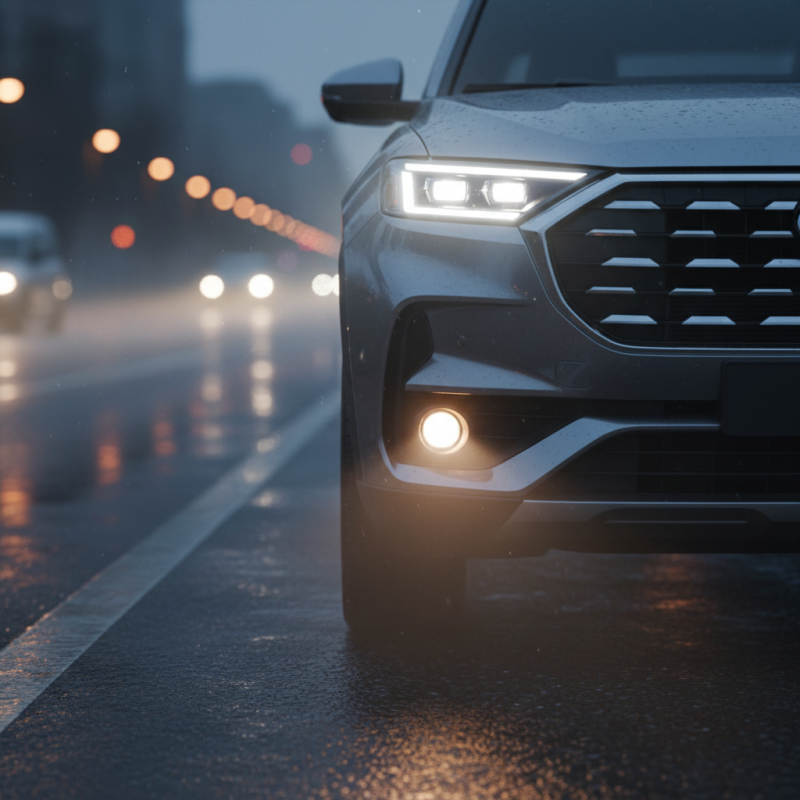
1,600 to 2,500 lumens. These lights enhance visibility without blinding other drivers. Interestingly, the Society of Automotive Engineers recommends LED fog lights for sedans to improve performance in challenging weather. With these lights, drivers can see the road ahead better when facing fog or rain.
Electric vehicles (EVs) present another unique case. They often use integrated LED light bars that enhance modern aesthetics and efficiency. However, the installation can be complex, requiring careful consideration. Reports indicate that
improper installation reduces their effectiveness by 25%. Vehicle safety is paramount, and ensuring the right LED type ensures both functionality and compliance with road regulations.
Benefits of Upgrading to LED Lights in Vehicles
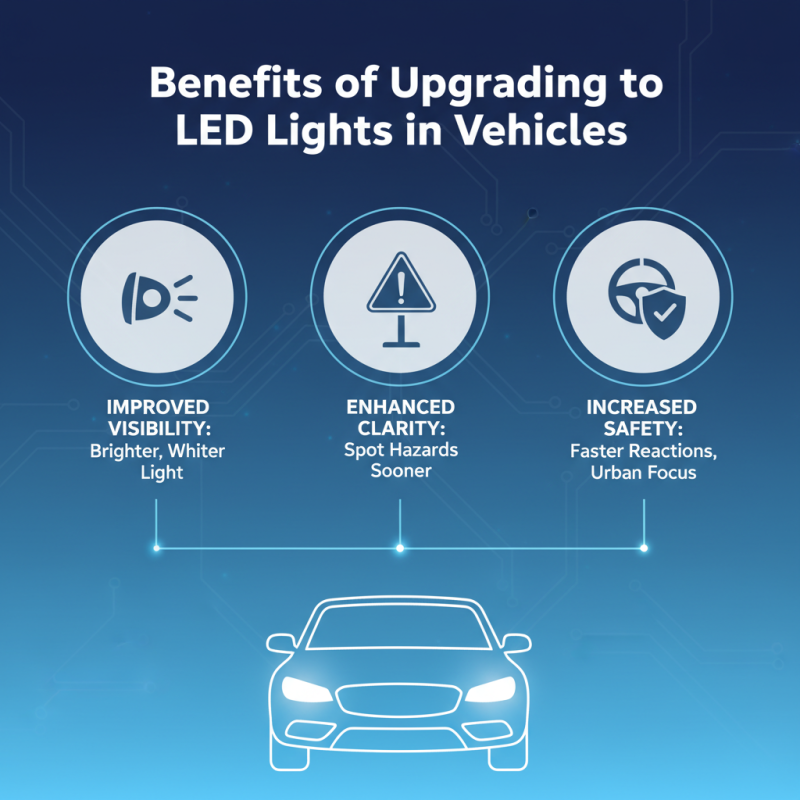
Upgrading to LED lights in vehicles offers numerous benefits that can enhance both safety and visibility. LED lights produce a bright, white light that closely resembles natural daylight. This improves visibility for drivers at night or in poor weather conditions. Enhanced clarity helps in identifying road signs, pedestrians, and obstacles sooner. This can be crucial in urban areas where quick reactions are vital.
Another significant benefit is energy efficiency. LED lights use less power than traditional halogen bulbs. This means better fuel economy for vehicles, as less energy is drawn from the battery. Cost savings accumulate over time, making LEDs a smart choice for long-term use. Additionally, LEDs have a longer lifespan, reducing the frequency of replacements.
However, some may find the initial investment for LED lights to be higher. It is essential to weigh these costs against the durability and savings over time. A common misconception is that all LED lights are equally effective. Not all products deliver the same brightness or quality. Researching various options ensures that vehicle owners make informed decisions.
Installation Tips for Vehicle LED Lighting Systems
When considering a vehicle LED lighting system, proper installation is crucial for optimal performance. Many users overlook the need for tailored mounting solutions. The right angle can ensure maximum light output. In fact, research shows that properly angled lights can enhance visibility by over 50%. This makes it essential to measure and plan your installation carefully.
Before starting, check your vehicle’s electrical system. Compatibility is vital. LED systems may have different voltage requirements. A mismatch could lead to flickering. Additionally, always use quality connectors. Quality components ensure a reliable connection, reducing the risk of electrical issues.
Remember to securely fasten all fixtures. Loose lights can shift over time, potentially causing damage or misalignment. Regular checks can catch these issues early. Installing lights is not just about aesthetics; it affects safety. Bright, well-positioned lights improve your visibility on the road, significantly reducing the chance of accidents.
Comparison of LED Light Types for Vehicles
Cost Considerations for Purchasing LED Lights for Vehicles
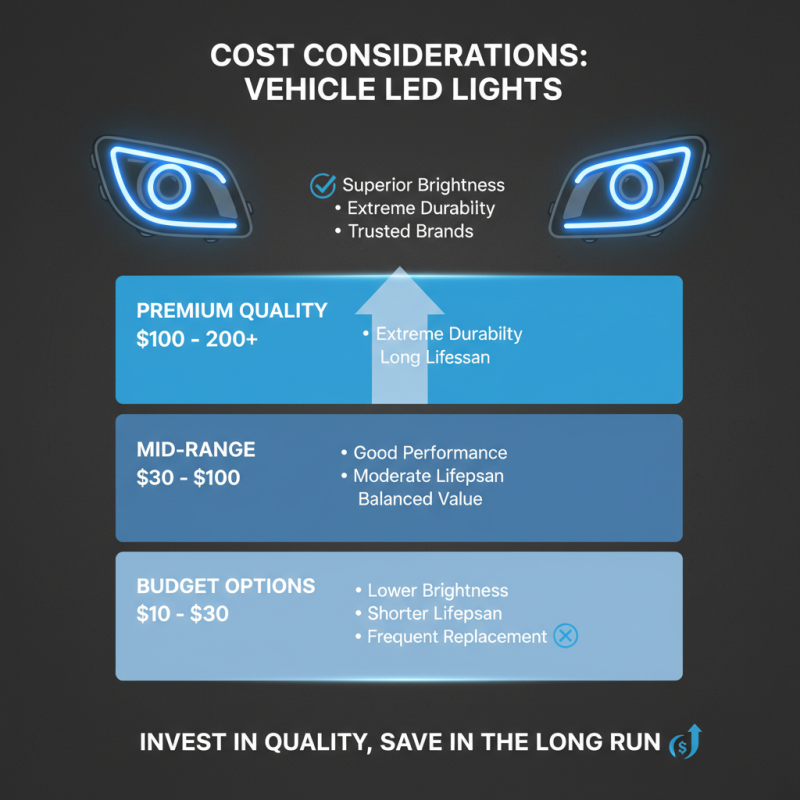
When considering LED lights for vehicles, cost is a crucial factor. The average price range for quality LED lights varies widely, often between $30 to $200. This broad range reflects differences in brightness, durability, and brand reputation. Cheaper options may seem appealing, but they often lack longevity. Investing in higher-quality lights typically results in better performance and longer lifespan, providing value over time.
Installation costs can also add to the overall expense. DIY installation may save money, but it requires some technical knowledge. If you're not experienced, hiring a professional can increase the total cost. This decision may depend on your budget constraints. While some may argue that professional installation ensures safety, others highlight the satisfaction of a self-done job, even if it comes with trial and error.
Another aspect to weigh is energy efficiency. LED lights consume less power, which can reduce energy bills. However, the initial investment might deter some buyers. Analyzing long-term savings requires careful consideration of usage patterns. Even if the upfront cost is high, the return on investment can be significant. Thinking about these factors can guide your decision-making in the LED light market.