2026 Top Led Off Road Lights for Adventure and Safety?
In the world of off-road adventures, visibility is crucial. Many enthusiasts rely on Led Off Road Lights to illuminate their path. James Carter, an industry expert, emphasizes, "Good lighting can be the difference between a thrilling night drive and a dangerous situation." His words resonate with those who conquer rugged terrains.
Led Off Road Lights have evolved significantly. They now come in various shapes and sizes. From compact pods to powerful bars, options abound. Each type serves unique needs, whether for trailblazing or night camping. However, with so many choices, making the right decision can feel overwhelming.
Some models shine bright but drain batteries quickly. Others may lack the durability needed for extreme conditions. This complexity often leads to reflection. What are the best options? The right Led Off Road Lights should not only provide brightness but also stand the test of time. As the market grows, navigating these choices becomes essential for a safe adventure.
2026 Trends in LED Off-Road Lighting Technology
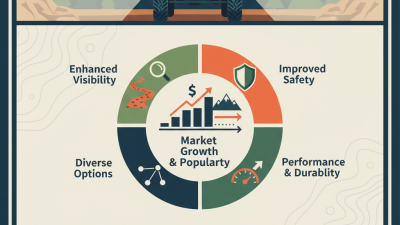
As off-road adventures grow in popularity, the demand for advanced LED lighting continues to rise. The global LED off-road light market is projected to reach $2.5 billion by 2026. This growth reflects innovation in durability, efficiency, and brightness. However, many consumers still choose lower-quality options, failing to recognize the impact of lighting on safety.
Current trends suggest a shift towards adaptive lighting technologies. These lights adjust their brightness based on terrain and driving speed. Research indicates that 70% of off-road enthusiasts prioritize safety. Yet, they often overlook how proper lighting enhances visibility in rugged conditions. Ignoring this can lead to accidents.
Additionally, energy-efficient designs are becoming the norm. Up to 90% of the energy used in LEDs converts to light, minimizing waste. Unfortunately, some lights still lack proper heat management, reducing their lifespan. Aging technology affects performance, causing users to frequently replace their lighting. Improved thermal management systems are essential for sustainability. Validating these advancements is critical for a safer off-road experience.
Key Features to Consider for Adventure and Safety Lights
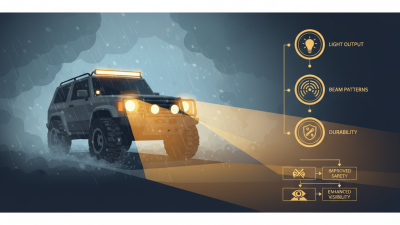
When selecting off-road lights for your adventures, several key features stand out. Brightness is crucial. Consider the lumen output. Higher lumens mean better visibility. For night driving, you need lights that cut through the darkness. Look for durable models that can withstand harsh environments. Waterproof capabilities are essential, ensuring your lights operate in rain, mud, and dust.
Light pattern is another important feature. A wide flood beam covers more area, while a focused spot beam offers distance. Some lights blend both types. Think about mounting options too. Adjustable mounts can help aim your lights precisely where you need them. Checking compatibility with your vehicle is wise; not all lights fit all models.
Additionally, energy efficiency matters. Opt for LED lights that consume less power. They last longer and require less frequent replacements. Take time to evaluate these aspects. A well-informed choice enhances both your safety and adventure experience. It’s easy to get overwhelmed with options. Reflect on what really matters for your trips and make a choice that fits your needs.
2026 Top Led Off Road Lights for Adventure and Safety
| Feature |
Specification |
Comments |
| Brightness |
2000 - 10000 Lumens |
High lumen count for excellent visibility |
| Beam Pattern |
Spot/ Flood Combo |
Versatile for different terrains |
| Durability |
IP68 Rating |
Water and dust resistant |
| Mounting Type |
Adjustable Mount |
Easy to install and reposition |
| Color Temperature |
6000K - 6500K |
Cool white light for visibility |
| Power Source |
12V - 24V DC |
Compatible with most vehicles |
| Lifespan |
50,000 Hours |
Long-lasting performance |
Top Rated LED Off-Road Light Brands for 2026
In 2026, outdoor enthusiasts seek reliable off-road lighting for adventure and safety. LED technology leads the way, offering durability and brightness. According to recent industry studies, LED lights can last up to 50,000 hours. This longevity reduces the need for frequent replacements. However, even high-quality LEDs may dim over time. You must consider the quality of the components used.
Light output is crucial for off-road scenarios. The optimal lumens for off-road lights typically range from 2,000 to 10,000. This range provides visibility in dark terrains. Many users overlook the beam pattern. A focused beam can illuminate a wide area but may fail in distance projection. A well-balanced beam pattern enhances both safety and navigation.
Several top-rated brands consistently receive high marks for efficiency and brightness. User reviews highlight factors like ease of installation and adjustment features. However, some products may lack adequate waterproofing. This can lead to performance issues in harsh weather. Research shows that solid construction materials dramatically improve longevity. Thus, choosing wisely requires careful consideration.
Installation Tips for Optimal Off-Road Light Performance
Installing off-road lights correctly is crucial for maximizing safety and performance. A recent industry report highlights that up to 80% of off-road accidents occur due to poor visibility. Proper placement and alignment of LED lights can significantly enhance nighttime driving.
When installing lights, consider the height and angle. Lights positioned too low can create blind spots. They may also fail to illuminate the road ahead effectively. Aiming for a 15 to 20-degree angle is generally advised. This ensures a broader beam spread, covering more ground. Make sure to check local regulations regarding light intensity and height.
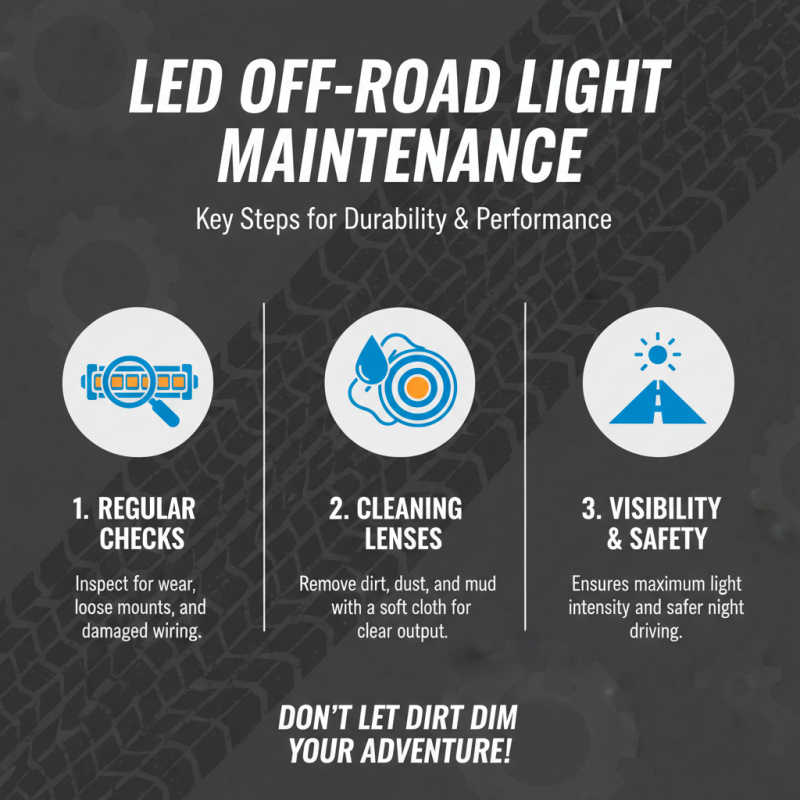
Wiring can also be a challenge. Bad connections often lead to flickering or complete light failure. Use high-quality connectors to prevent corrosion. It’s advisable to protect the wiring from rough terrains with robust casing. Lastly, don’t forget to test your setup before heading out. It’s okay to make adjustments based on real-world performance. Always revisit your installation for improvements.