The Ultimate Guide to Choosing the Best Amber Driving Lights for Visibility
When it comes to ensuring safety on the road, visibility is paramount, especially during challenging driving conditions. Amber driving lights have emerged as a popular choice for enhancing visibility, providing a unique solution that combines brightness with safety features. These lights cut through fog, rain, and snow, significantly improving the driver's ability to see and be seen. In this comprehensive guide, we will explore the various types of amber driving lights available, their benefits, and key considerations for choosing the right ones for your vehicle.
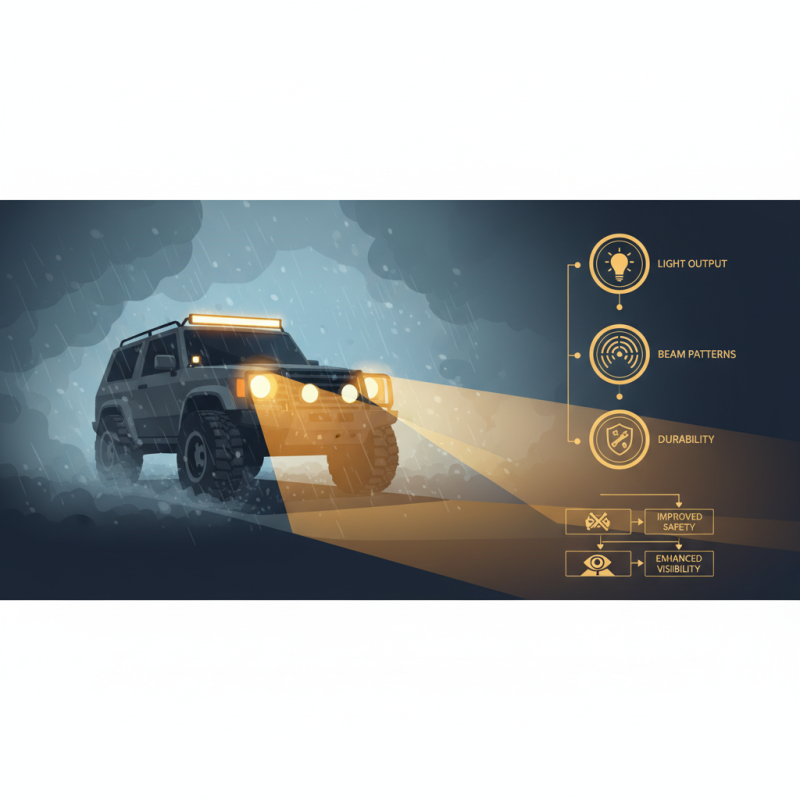
Selecting the best amber driving lights involves understanding factors such as light output, beam pattern, and durability. With numerous options on the market, it can be overwhelming to navigate through the choices. This guide aims to simplify the process by offering insights into what makes amber driving lights effective. By prioritizing visibility and understanding the essential features to look for, you can enhance both your driving experience and safety on the road. Let’s dive into the crucial elements of choosing the ideal amber driving lights that will elevate your visibility and confidence behind the wheel.
Understanding Amber Driving Lights: Importance and Benefits
Amber driving lights have gained significant attention in recent years due to their unique advantages in enhancing visibility and safety on the road. The use of amber light is particularly effective in fog, rain, and snowy conditions as it penetrates through worsening weather more effectively than white light. According to a report from the National Highway Traffic Safety Administration (NHTSA), the utilization of amber lights can reduce the risk of accidents by up to 30% in adverse weather conditions, making them a crucial element for drivers who frequently navigate through such environments.
Moreover, amber driving lights serve an essential role in alerting other road users to a vehicle's presence and its movements. Research conducted by the Society of Automotive Engineers indicates that amber lights are perceived faster by the human eye in low visibility conditions, which aids in quicker reactions from both drivers and pedestrians. This is particularly important in urban scenarios where split-second decisions can make a difference in preventing collisions. By implementing amber lights, drivers not only enhance their visibility but also contribute to a safer driving environment for everyone on the road.
Key Specifications to Consider When Choosing Amber Driving Lights
When selecting amber driving lights, it is crucial to consider several key specifications that directly impact visibility and performance.
First and foremost, light output, measured in lumens, plays a significant role in how effectively the lights illuminate your driving path.
Higher lumens typically result in brighter lights, which are crucial for enhancing visibility during low-light conditions. It's also essential to evaluate the color temperature, as amber lights tend to reduce glare and improve contrast against various backgrounds, making them a preferred choice for adverse weather conditions.
Another critical specification is the beam pattern, which determines how the light is distributed on the road. A well-defined beam pattern maximizes visibility by effectively illuminating the area directly in front of the vehicle and the periphery without causing excessive glare for oncoming traffic.
Durability and weather resistance are equally important; look for lights with robust housing materials and IP ratings that can withstand harsh weather conditions and vibrations commonly encountered during driving.
These specifications collectively ensure that your amber driving lights not only enhance visibility but also provide reliable performance and longevity.
Comparison of Amber Driving Lights: LED vs. Halogen vs. HID Technology
When selecting amber driving lights, understanding the differences between LED, halogen, and HID technologies is crucial for maximizing visibility on the road. LED lights are known for their energy efficiency and longevity, typically lasting significantly longer than their halogen counterparts. They emit a bright, focused light that can penetrate fog and rain effectively, making them an excellent choice for challenging weather conditions. Additionally, LED lights generally require less power, which can be advantageous for vehicles with limited electrical systems.
Halogen lights, while not as energy-efficient as LEDs, produce a warm, yellowish light that is similar to natural sunlight. They offer good visibility and are typically more affordable upfront. However, halogen bulbs have a shorter lifespan and may require more frequent replacements. They are an excellent option for those on a budget who want reliable lighting without the higher initial costs associated with LED or HID lights.
HID (High-Intensity Discharge) technology provides a bright, intense illumination that can significantly improve visibility at night. They are ideal for off-road and highway driving where maximum brightness is needed. However, HID lights can take a moment to warm up and reach their full brightness, which may not be suitable for all situations.
**Tips:** When choosing amber driving lights, consider your specific driving conditions and preferences. For frequent night driving or challenging weather, LED lights may be the best option. If budget constraints are a primary concern, halogen lights offer a good balance of visibility and cost. However, if you need powerful illumination for off-road adventures, opt for HID technology. Always ensure proper installation and alignment for optimal performance.
Top Brands and Models: Industry Leaders in Amber Driving Lights
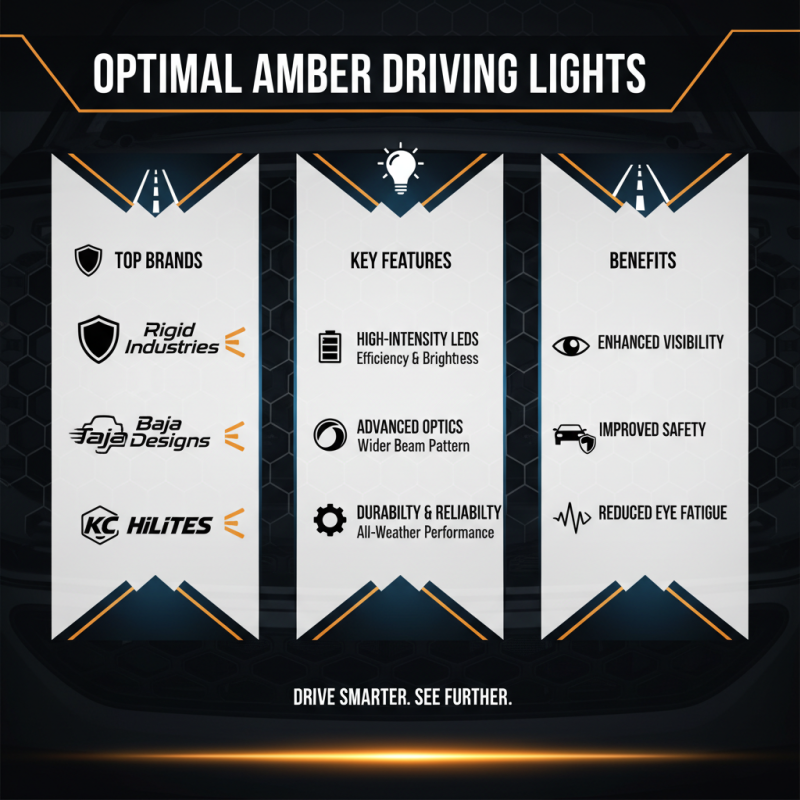
When it comes to selecting the best amber driving lights for enhanced visibility, several industry leaders stand out for their performance, reliability, and innovative designs. These brands have established themselves through rigorous testing and customer feedback, ensuring that their products meet high standards of quality. The top contenders in the market often feature high-intensity LEDs, which provide excellent brightness without draining vehicle batteries. Additionally, many models utilize advanced optics to optimize light distribution, offering a wider and more effective beam pattern, essential for nighttime driving or adverse weather conditions.
In evaluating these top brands and models, it’s crucial to consider factors such as durability and ease of installation. Leading manufacturers often use robust materials that can withstand harsh conditions, making their lights suitable for both off-road adventures and daily commuting. Features like adjustable brackets and plug-and-play wiring systems enhance user convenience, enabling drivers to set up their lighting solutions with minimal hassle. By focusing on well-established names in the amber driving light industry, consumers can ensure that they are investing in products that deliver superior visibility and safety on the road.
Installation Guidelines and Best Practices for Optimal Visibility
When installing amber driving lights, it's crucial to adhere to specific guidelines and best practices to ensure optimal visibility on the road. According to a report by the National Highway Traffic Safety Administration (NHTSA), visibility is a key factor in preventing accidents, with studies indicating that properly installed lighting can increase a driver's reaction time by up to 50%. This emphasizes the importance of positioning amber lights correctly, typically at or just below headlight level. Proper alignment not only enhances visibility but also minimizes glare for oncoming traffic, contributing to overall road safety.
Another critical aspect is the wiring and switch setup. A poorly wired system can lead to inconsistent power supply, reducing the effectiveness of your lights. As per automotive lighting research, using high-quality connectors and ensuring secure connections can improve reliability by up to 40%. Additionally, it's advisable to install a separate switch that allows for easy operation without distracting from driving. This ensures that, when conditions demand extra visibility, drivers can quickly activate their amber lights without fumbling or taking their eyes off the road. By following these installation practices and maintaining the lights regularly, drivers can ensure they maximize the potential benefits of amber driving lights for improved safety.