Why Choose Auto Led Lights for Your Vehicle Upgrade?
Upgrading your vehicle often involves making choices that enhance both style and functionality. Auto LED lights have emerged as a popular choice among car enthusiasts. They offer numerous advantages over traditional lighting options. According to David Martinez, an automotive lighting expert, "Auto LED lights not only improve visibility but also add a modern touch to any vehicle." This makes them a compelling option for those looking to enhance their driving experience.
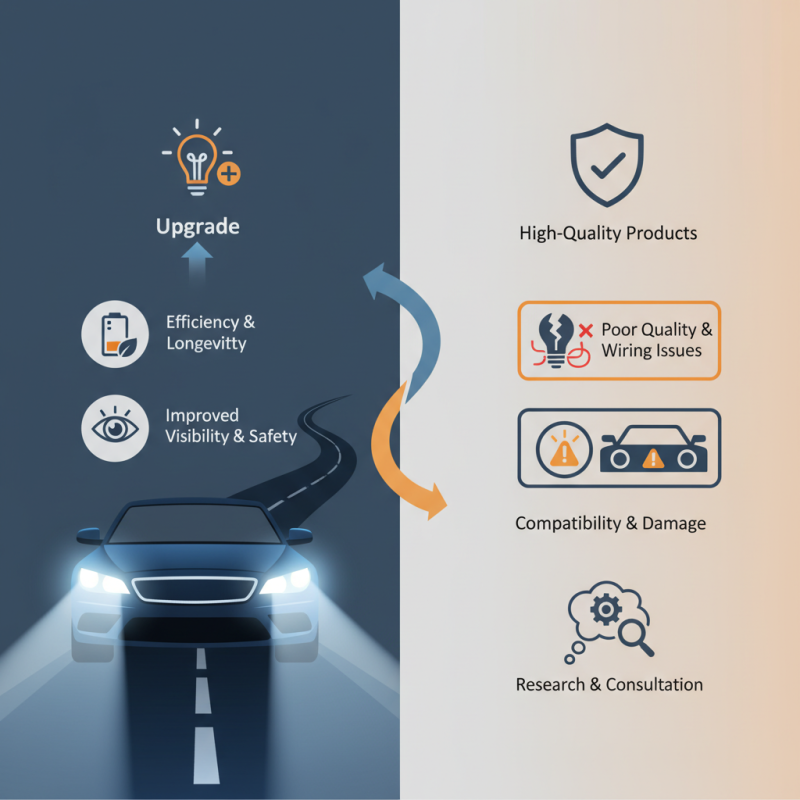
Choosing Auto LED lights means embracing technology that provides better efficiency and longevity. These lights consume less power, which can be especially beneficial for older vehicles. The brightness and clarity of LED lights also mean you drive safer at night or in poor weather conditions. However, it’s essential to choose high-quality products to avoid potential issues with wiring or compatibility.
While many benefits exist, it’s crucial to approach the upgrade with care. Not all Auto LED lights are created equal. Some poorly made options can actually reduce visibility or even damage your vehicle's electrical system. Exploring trusted brands and consulting with specialists can help prevent these pitfalls. Transitioning to Auto LED lights is an exciting step, but it requires thoughtful consideration.
Benefits of Upgrading to Auto LED Lights
Upgrading to auto LED lights can transform your vehicle. These lights are brighter than traditional bulbs. They enhance visibility, especially at night. This makes driving safer for you and others on the road. Additionally, LED lights consume less energy. This efficiency may improve your vehicle's fuel economy.
LED lights have a longer lifespan. They can last up to 25,000 hours. This means fewer replacements and less hassle. Plus, they are often more durable. Most are resistant to shock and vibration. This durability is essential for off-road adventures.
Tip: When installing LED lights, ensure they fit your vehicle correctly. Improper installation can lead to issues. Take your time to do it right.
Another benefit is aesthetics. LED lights come in various styles and colors. You can personalize your vehicle's look. However, be mindful of local regulations. Some colors might be restricted.
Tip: Research local laws regarding light colors. This helps avoid fines or safety issues. Small details matter in vehicle upgrades.
Comparative Analysis: LED Lights vs. Traditional Bulbs
When upgrading your vehicle's lighting, it's essential to understand the differences between
LED lights and traditional bulbs.
LED lights are known for their longevity. They can last up to 25,000 hours or more.
In contrast, traditional bulbs often burn out after just 1,000 hours.
This longevity means fewer replacements, saving time and money in the long run.
In terms of brightness, LED lights typically provide a brighter and whiter light.
This enhances visibility on the road, especially in adverse weather conditions.
Traditional bulbs can appear dimmer, making it harder for drivers to see clearly.
However, some might argue that the initial cost of LED lights is higher. It can make some hesitant to make the switch.
Energy efficiency is another point of comparison.
LED lights consume significantly less power. This efficiency reduces the load on the vehicle’s electrical system.
It can even improve fuel economy in some cases. Despite these benefits, some drivers may miss the warmth of classic bulb light.
This preference reflects personal taste rather than performance. That leaves room for reflection on what truly matters in a vehicle upgrade.
Understanding the Energy Efficiency of LED Technology
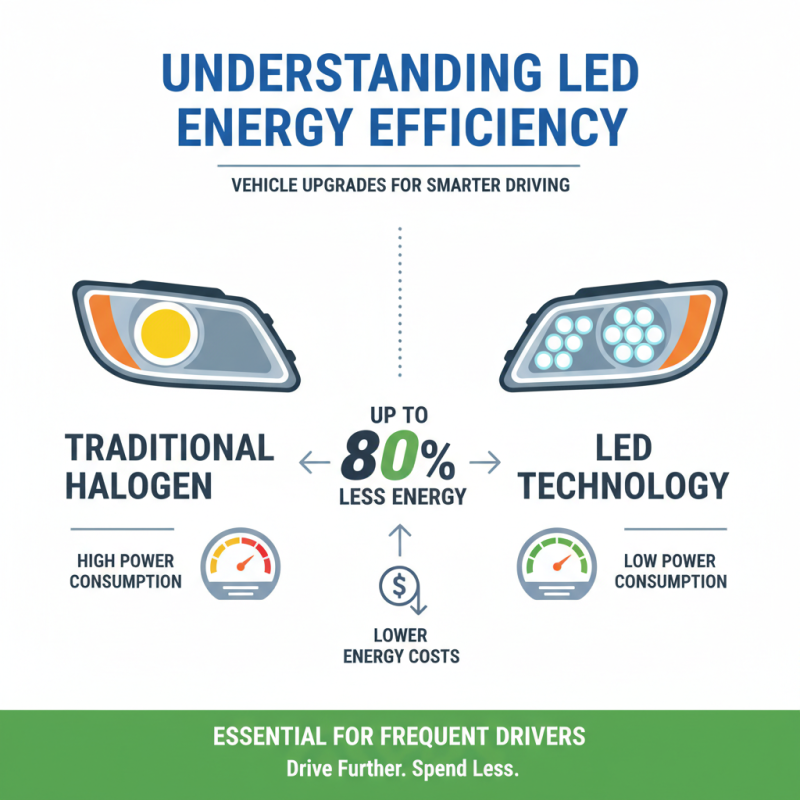
When considering vehicle upgrades, energy efficiency stands out. LED lights consume significantly less power than traditional halogen bulbs. This reduction can lead to lower energy costs over time. In fact, a typical LED light can use up to 80% less energy. Such efficiency is essential, especially for those who drive frequently or rely on their vehicles daily.
The technology behind LEDs is fascinating. They generate light differently than incandescent bulbs. Instead of heating a filament, they use a semiconductor to emit light. This process produces less heat, which enhances durability and lifespan. LED lights often last up to 25,000 hours compared to 1,000 hours for halogen. However, the initial investment for installation can be higher, leading some to hesitate.
Many are drawn to the longevity of LED technology, yet concerns remain. Some drivers question whether the brightness is suitable for all types of roads. Additionally, the effectiveness of LEDs in adverse weather conditions can prompt reflection. Ultimately, while the energy efficiency of LED lights is appealing, potential buyers should weigh these factors carefully.
Installation Process for Auto LED Lighting: Step-by-Step Guide
Upgrading to auto LED lights can dramatically enhance your vehicle's aesthetic and functionality. The installation process is straightforward but requires attention and care. Begin by ensuring you have all necessary tools: screwdrivers, wire connectors, and your LED light kit. Proper preparation can save you time and hassle later on.
Start with disconnecting the battery. This crucial step prevents electrical issues during installation. Carefully remove the old lighting fixtures. It's helpful to take pictures to remember the wiring layout. As you install the new LED lights, ensure they fit snugly. Loose fittings can lead to damage over time.
Tips: Check the polarity of your connections. Incorrect wiring can cause the lights to malfunction. Take your time with each step. Rushing might lead to errors, and a poorly installed light can dim or fail prematurely. After installation, recheck all connections before reconnecting the battery. This attention to detail pays off in performance.
Remember, if something doesn't seem right during installation, pause and reevaluate. It’s better to take a step back than to rush through and risk future problems. Your vehicle deserves the best lighting upgrade.
Common Myths About LED Lights in Vehicles Debunked
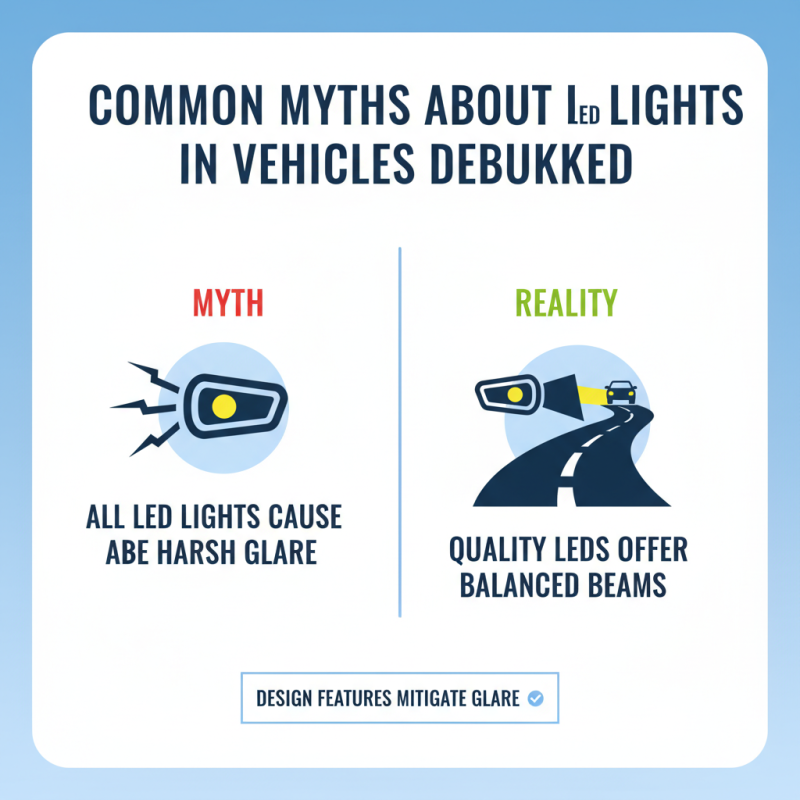
When it comes to LED lights for vehicles, many myths persist. One common misconception is that all LED lights produce harsh glare. In reality, quality LED lights can offer a balanced beam. This helps illuminate the road without blinding oncoming drivers. The design of these lights often includes features that mitigate glare issues.
Another myth suggests that LED lights have a short lifespan. While early versions had limitations, modern LEDs are built to last. Many models boast longevity of up to 30,000 hours. This makes them a wise investment compared to traditional bulbs that burn out quickly. However, proper installation is crucial. Inadequate setups can still lead to premature failure.
Some believe LEDs consume excessive power, but they are actually energy-efficient. They use less energy while producing brighter illumination. Choosing the right LED lights for your vehicle means doing thorough research. Some products may not deliver on their promises. Always consider the source and verify claims about performance.