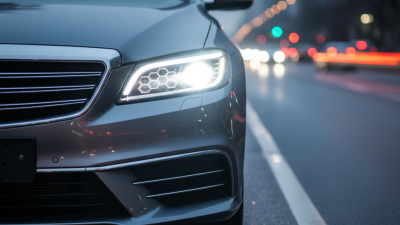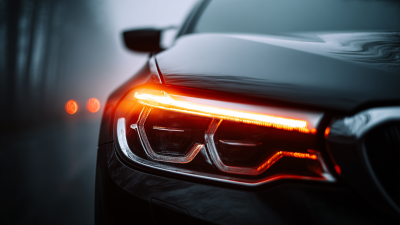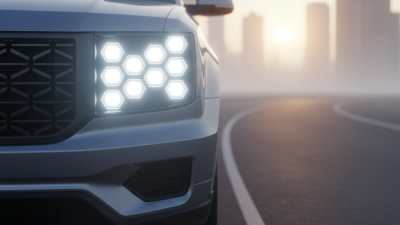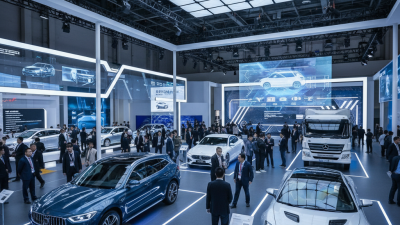
Global vehicle buyers increasingly view Led Lights Car Lights as practical safety equipment, not decorative accessories. This change follows a broader automotive transition. The International Energy Agency reported nearly 14 million electric car sales worldwide in 2023. More electrified vehicles create stronger demand for efficient lighting, especially in markets where charging infrastructure remains limited.
The U.S. Department of Energy states that LED products can use at least 75% less energy and last up to 25 times longer than incandescent lighting. Automotive results vary. Still, lower electrical demand can support vehicle efficiency, while longer service life may reduce replacement stops in remote regions. James R. Brodrick, a former U.S. Department of Energy lighting technology manager, offered an important warning: “LEDs are not a one-for-one replacement for incandescent lamps.” That sentence deserves attention. A bright bulb is not automatically a safe headlamp.
Buyers should examine beam pattern, optical design, thermal management, weather sealing, color temperature, and road legality. The Insurance Institute for Highway Safety has repeatedly shown that headlamp performance differs widely between vehicle models. Some lamps illuminate road edges clearly. Others create glare or leave dark zones near curves. Real-world experience matters here. A driver crossing a wet mountain road needs controlled illumination, not simply higher brightness. Independent testing, manufacturer specifications, and professional installation provide stronger evidence than online claims. The technology is promising, but it is not perfect. Poorly matched Led Lights Car Lights can reduce visibility, distract other drivers, and waste money. Global buyers should choose tested systems designed for their vehicle, climate, and driving conditions.
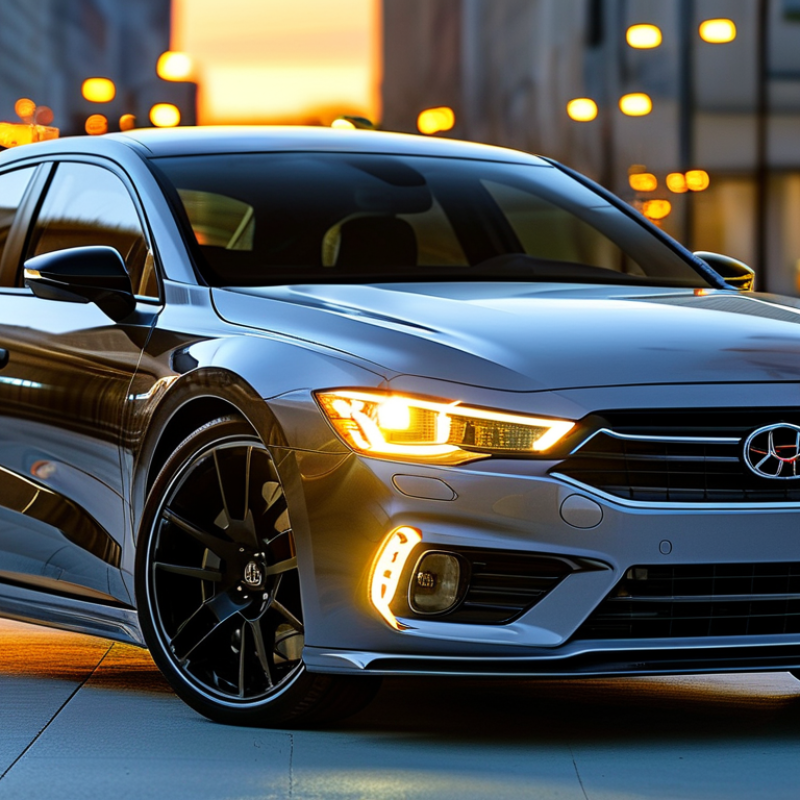
LED car lights are semiconductor devices that create light when electric current passes through diodes. A control driver regulates current and protects the circuit from voltage changes. Unlike halogen bulbs, LEDs use no glowing filament. Their light passes through lenses, reflectors, or projector optics, forming a controlled beam.
The U.S. Department of Energy’s 2023 Solid-State Lighting R&D Opportunities report states that LEDs can use at least 75% less energy and last up to 25 times longer than incandescent lighting. Automotive results vary, however. Beam design, wiring quality, and temperature strongly affect performance. Heat is the catch. LED chips produce less waste heat forward, but their electronics still require heat sinks and airflow. Poor thermal control can reduce brightness and shorten service life.
For global vehicle buyers, an LED system should match approved vehicle specifications and regional lighting rules. UNECE Regulation No. 149 covers road illumination performance for compatible vehicle lamps. Whiter light does not automatically mean better visibility. Higher color temperatures may appear sharper, yet they can increase glare in rain or fog. The Insurance Institute for Highway Safety’s headlight evaluations also show substantial performance differences between vehicle systems, despite similar lighting technology. Laboratory claims can feel convincing. Real roads are messier. I once assumed longer LED life guaranteed clearer seeing, but that is incomplete. Optics, alignment, moisture sealing, and installation quality remain decisive.
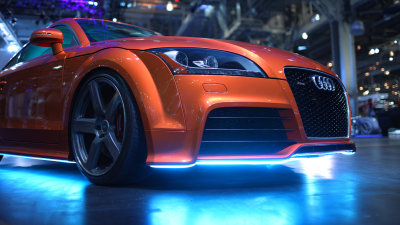
LED car lights appeal to global vehicle buyers because they produce strong illumination with less electrical power. In workshop comparisons, a standard LED headlamp often uses less energy than a halogen unit for similar road brightness. This reduces demand on the alternator and may slightly lower fuel or battery consumption. The saving is modest, not magical. Vehicle size, driving habits, and electrical design still matter.
LEDs also convert more energy into light and less into wasted heat. Their quick response improves visibility when brake lights turn on, especially in rainy traffic or busy intersections. Lower power draw can support electric vehicles as well, where every watt affects driving range. However, efficient does not mean trouble-free. Poorly designed cooling systems can shorten LED life. Excessive heat may reduce brightness over time. I learned this after seeing a low-cost replacement fade unevenly.
Reliable LED lighting needs proper beam alignment, heat management, and electrical compatibility. A well-focused lamp can illuminate lane markings without glaring into another driver’s eyes. Buyers should check local lighting requirements before installation, since approved designs vary between regions. Energy efficiency should be measured alongside light distribution and service life. A lamp that consumes little power but creates unsafe glare is not genuinely efficient. That point is easy to miss.
LED car lights can improve visibility through brighter, more focused illumination. On a rainy road, this helps drivers notice lane markings, parked vehicles, and pedestrians sooner. Their quick response also makes brake and turn signals easier to recognize in busy traffic.
In practical vehicle inspections, well-designed LED systems produce a cleaner beam pattern than many older bulbs. This can reduce dark areas ahead without wasting light toward oncoming drivers. LED units also use less energy and usually last longer, which supports dependable daily driving. However, LEDs are not magic. Poorly fitted units may create glare, uneven lighting, or disappointing performance. Beam alignment matters greatly.
Tips: Check the beam pattern against a wall before driving at night. Keep lenses clean, especially after dusty or icy journeys. Choose lighting that matches the vehicle socket and local road requirements. Different countries may apply different rules for color, brightness, and installation. A certified technician can verify the wiring and aim the lamps correctly. Small adjustments help. Never assume brighter means safer.
LED car lighting now serves far more than premium passenger cars. It appears in compact cars, SUVs, pickup trucks, vans, buses, and heavy-duty trucks. Electric vehicles also use LEDs for daytime running lights, indicators, tail lamps, and cabin illumination. Motorcycles commonly use them because compact housings need strong output. They fit small spaces well.
The U.S. Department of Energy reports that LEDs can use at least 75% less energy and last up to 25 times longer than incandescent lighting. This matters for delivery fleets, where vehicles may operate before sunrise or after dark. LEDs also switch on quickly, helping brake lamps appear more responsive. However, LED does not automatically mean better visibility. Poor beam aiming, weak thermal design, or excessive brightness can create glare. Real roads are less forgiving than laboratory tests.
Tips: Match the lamp to the vehicle’s original housing and electrical system. Check beam alignment after installation. For trucks and buses, inspect vibration resistance and weather sealing. SAE lighting standards can guide color and performance checks. Buyers should also review independent test data, not only advertising claims. A brighter lamp may look impressive, but it can perform poorly in rain, fog, or dusty work areas. That detail is easy to miss.
What Types of Vehicles Use LED Car Lighting?
LED lighting is widely used across modern vehicle categories because it offers lower power consumption, longer service life, fast illumination and flexible styling. Adoption is highest in passenger cars and SUVs, while commercial vehicles increasingly use LEDs for headlights, marker lights, brake lights and daytime running lights.
Data shown as indicative 2024 global estimates of new vehicles equipped with at least one exterior LED lighting application.
Before choosing LED car lights, global buyers should assess fitment, beam control, heat management, and local road requirements. A bulb can fit the socket yet fail inside the headlamp housing. Check the vehicle’s model year, connector type, available space, and electrical load. Fitment is not universal. Left-hand and right-hand traffic can require different beam patterns. A poorly aimed lamp may glare at oncoming drivers, even when its output looks impressive. Review photometric test results, not only advertised lumens.
Color temperature also deserves practical attention. Very cool white light may look sharp, but it can reduce comfort in rain, fog, or dusty roads. A balanced beam with a clear cutoff often helps more than extreme brightness. Check the beam. Buyers should examine thermal design, sealing, and driver electronics before installation. LEDs create less visible heat than older lamps, but their rear housings still need airflow. An enclosed space can shorten service life. Look for credible test methods, safety markings, installation guidance, and a clear warranty.
A common mistake is treating brightness as the main measure. It is tempting. After installation, aim the lights on a flat wall at night and compare the cutoff on both sides. Then test them during a short, legal road drive. Check for flicker, warning messages, delayed startup, and uneven illumination. Some vehicles need compatible control modules, while others may require no extra hardware. Do not assume a universal claim covers every vehicle. Keep the original lamps until the new setup proves reliable.
| Evaluation Dimension | Typical LED Characteristics | Comparison with Common Alternatives | What Global Buyers Should Consider |
|---|---|---|---|
| Energy Consumption |
Lower electrical demand A typical single LED headlamp replacement may use approximately 15–40 W, depending on the application and design. |
A comparable halogen headlamp commonly uses about 55 W per bulb. HID systems generally require an electronic ballast and may use approximately 35 W per lamp. | Confirm the vehicle’s original bulb rating, charging-system capacity, connector type, and whether the replacement has a suitable current-control system. |
| Service Life | Quality automotive LEDs are often rated for approximately 15,000–30,000 operating hours under specified thermal and electrical conditions. | Halogen bulbs commonly have a rated life of roughly 500–1,000 hours. HID lamps often have a longer life than halogen but require additional ignition and ballast components. | Treat rated life as a test value rather than a guarantee. Review thermal management, operating temperature, vibration resistance, and warranty terms. |
| Light Output | LED performance varies considerably. A replacement’s useful road illumination depends on optical design, beam focus, color accuracy, thermal control, and installation position—not only lumen claims. | Halogen and HID systems are designed around different filament or arc positions. A high-lumen LED does not automatically produce a better or safer beam pattern. | Request photometric test results, beam-pattern images, cut-off performance, and left- or right-hand-traffic compatibility where relevant. |
| Color Temperature | Automotive LED products are commonly offered from approximately 3,000 K to 6,500 K. Around 4,300–5,000 K generally provides a balanced white appearance for road use. | Halogen light is typically warmer, often around 2,700–3,200 K. Higher color temperature does not necessarily improve visibility, especially in rain, fog, or snow. | Select color temperature according to local regulations and weather conditions. Avoid choosing solely on the basis of the whitest appearance. |
| Heat Management | LEDs are efficient at producing light, but the LED junction and driver still generate heat. Products may use passive heat sinks, fans, or remote drivers. | Halogen bulbs emit substantial radiant heat, while HID systems also require thermal and electrical management. Each technology has different heat-distribution characteristics. | Check heat-sink clearance, fan noise, dust protection, waterproofing, and compatibility with sealed headlamp housings. |
| Electrical Compatibility | Many modern vehicles monitor bulb current electronically. An LED conversion may require a compatible driver or load-management solution to prevent flicker or warning messages. | Incandescent bulbs usually match the original vehicle load more closely. HID conversions may require ballasts, relays, wiring changes, and additional control components. | Verify nominal vehicle voltage, bulb base, polarity, CAN-bus behavior, PWM compatibility, and whether an adapter is required. |
| Installation and Fitment | LED replacement bulbs are available in many common automotive bases, but fan housings, heat sinks, external drivers, and retaining clips can affect fitment. | Halogen bulbs often have a simpler plug-in format. Factory LED assemblies may require a complete lamp module rather than a replaceable bulb. | Confirm bulb designation, base dimensions, dust-cap clearance, connector orientation, retaining mechanism, and adjustment access before purchasing. |
| Weather Resistance | Exterior automotive lighting should be protected against water and dust. Enclosure ratings such as IP65 or higher are commonly used as reference points, but the complete installation remains important. | The original lamp assembly may already provide environmental protection. An incorrectly fitted LED conversion can compromise the dust cap or housing seal. | Review the stated IP rating, connector sealing, cable routing, condensation behavior, and performance after exposure to water spray and vibration. |
| Regulatory Compliance | Legal approval depends on the lamp’s function, vehicle type, installation location, and destination market. Road legality cannot be determined by lumen output alone. | Original-equipment lamps are generally certified as a complete system. Aftermarket conversions may not be approved for every vehicle or jurisdiction. | Check applicable requirements, including UNECE regulations, national standards, beam orientation, marking requirements, and whether retrofit use is permitted. |
| Reliability in Vehicle Use | LEDs are resistant to frequent switching and vibration because they do not use a fragile incandescent filament. Reliability still depends on the driver, soldering, sealing, and cooling system. | Halogen filaments can fail from vibration, thermal cycling, and aging. HID systems contain more electronic and high-voltage components than a basic halogen bulb. | Ask for vibration, humidity, thermal-cycle, electromagnetic-compatibility, and accelerated-life test information where available. |
| Total Cost of Ownership | LEDs may reduce replacement frequency and electrical consumption, but the initial purchase price and installation requirements can be higher. | Halogen bulbs usually have a lower upfront cost but may require more frequent replacement. HID systems can involve higher component and installation costs. | Compare purchase price, installation labor, adapters, replacement availability, energy use, warranty coverage, and expected service life in the target market. |
| Global Supply and Support | LED products are available in numerous socket types and electrical configurations, but specifications and quality can vary widely between suppliers. | Conventional bulb formats may have broader interchangeability and easier local replacement in some regions. | Confirm documentation, packaging languages, spare-part availability, batch consistency, technical support, warranty process, and regional distribution capability. |
Note: The figures shown are typical industry ranges for comparison and may vary by vehicle model, lamp design, operating conditions, local regulations, and test method. Always verify vehicle-specific fitment and legal approval before installation.