Leave Your Message

2026 Top LED Headlight Types for Global Buyers?

The 2026 Top LED Headlight Types for Global Buyers guide begins with a practical reality: brighter is not always better. Led Headlights now serve passenger cars, commercial vehicles, motorcycles, and off-road platforms. Buyers must compare beam control, thermal design, installation space, warranty support, and regulatory approval together.

Recent industry research supports this broader view. MarketsandMarkets’ Automotive Lighting Market report identifies LED adoption as a major technology trend, driven by energy efficiency, styling flexibility, and longer service life. Fortune Business Insights’ automotive lighting analysis also highlights rising demand for adaptive and intelligent lighting systems. The U.S. Department of Energy’s Solid-State Lighting research reports continue to emphasize LED efficiency, optical performance, heat management, and reliability. These findings matter inside a real headlamp housing, where dust, vibration, rain, and engine heat can expose weak designs quickly.

Specifications can mislead. A high lumen number does not guarantee a safe road pattern. Compliance remains essential. UNECE Regulation No. 48 and U.S. FMVSS 108 provide important reference points for installation, signaling, and lighting performance, although local requirements differ. Global buyers should verify approval markings, beam orientation, electromagnetic compatibility, and replacement legality before ordering. No ranking is perfect. Product claims also deserve scrutiny. Some test results come from controlled laboratories, not crowded highways or cold mountain roads. This guide compares reflector LEDs, projector LEDs, adaptive systems, matrix designs, and integrated smart modules through a buyer-focused lens. The goal is informed selection, not exaggerated brightness.
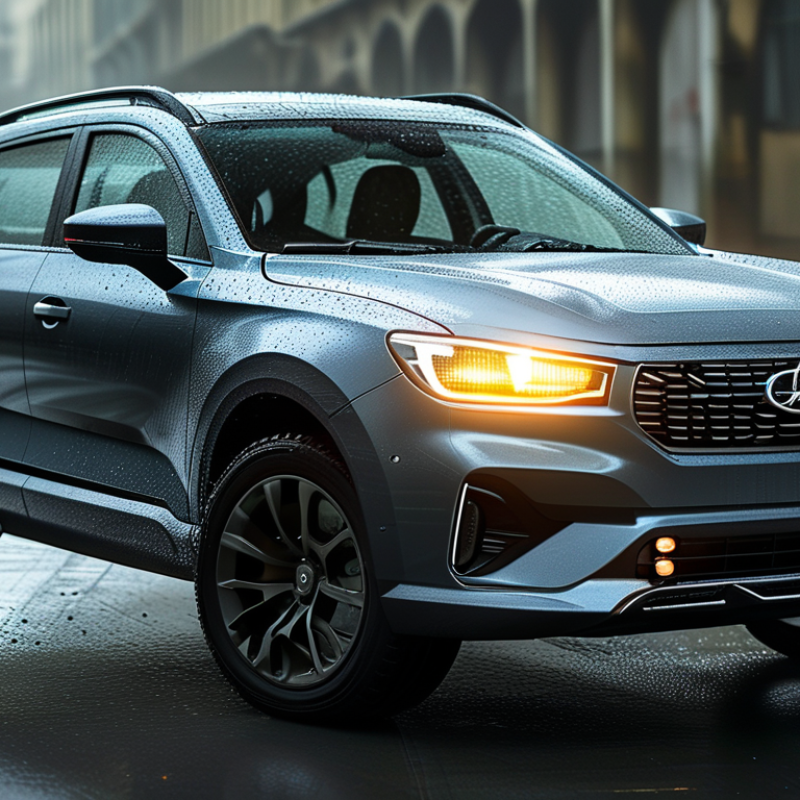
2026 Top LED Headlight Types for Global Buyers?

What Are the Main Types of LED Headlights in 2026?

LED headlights in 2026 are available in several main designs, and each serves a different driving need. Reflector LED headlights place light-emitting diodes inside a bowl-shaped housing. They are usually compact, affordable, and easy to service. However, their beam can appear less sharply defined if the housing is poorly engineered.

Projector LED headlights use a lens to control the beam pattern. They normally create a cleaner cutoff and better forward focus, especially on dark rural roads. Bi-LED projector systems can provide both low and high beam functions in one unit. This saves space, but thermal management becomes more important. Heat can reduce LED performance over time.

Matrix LED headlights contain multiple individually controlled light segments. The system can dim selected areas while keeping other sections bright. This may improve visibility near curves, signs, and roadside objects. Adaptive versions can adjust with steering input or vehicle speed, although their real performance depends on sensors and software calibration. Not every “smart” system reacts smoothly.

LED replacement bulbs are another common type. They fit existing headlight housings, but compatibility is not guaranteed. Fan noise, limited space, glare, and uneven beam patterns remain practical concerns. Buyers should check socket size, luminous intensity, color temperature, heat control, and beam alignment. A brighter lamp is not automatically safer. Installation should follow local road requirements, and professional aiming is worth the extra time. Small errors matter.
How Do Different LED Headlight Technologies Work?

How Do Different LED Headlight Technologies Work?

LED headlights create light when current passes through semiconductor chips. The chips produce less radiant heat than halogen bulbs, but they still need heat sinks and airflow. The U.S. Department of Energy’s 2022 Solid-State Lighting R&D Opportunities report notes laboratory LED efficacy above 200 lumens per watt. Real vehicle systems deliver less after optical and thermal losses. That gap matters.

Reflector systems spread light through shaped surfaces. Projector systems focus it through a lens, creating a sharper cutoff. Matrix LED systems divide the beam into small segments. Cameras and control software can dim selected segments around nearby vehicles. Adaptive systems improve visibility, but calibration errors may create dark patches or unwanted glare. The Insurance Institute for Highway Safety has repeatedly found major performance differences among tested headlamp systems. More brightness is not automatically safer. My practical concern is simple: a perfect test bench cannot represent every wet road, load condition, or driver reaction.

Tips: Ask for measured beam patterns, not only lumen claims. Check low-beam cutoff, road illumination, color temperature, and cooling design. The DOE report also emphasizes thermal management because heat reduces LED output and service life. For global buyers, confirm connector compatibility and local approval requirements. Technology moves quickly. Testing remains imperfect.

Which LED Headlight Types Fit Different Vehicles and Uses?

LED headlight choice should follow the vehicle’s optics, electrical system, and driving environment. For older cars with reflector housings, compact replacement LEDs may offer lower power use and whiter light. However, poor beam control can create glare. The U.S. Department of Energy reports that LEDs generally use at least 75% less energy than incandescent lighting, but automotive performance depends on heat management and optical design. Energy savings alone cannot prove road safety.

Projector-based LED headlights suit vehicles with precise cutoff shields and controlled lenses. They work well for sedans, crossovers, and long-distance highway driving. Reflector LED systems fit some utility vehicles and older platforms, but their beam pattern must match the original housing. Adaptive matrix LEDs are more suitable for premium passenger vehicles, where cameras and software adjust individual light segments. They are powerful, yet expensive and more dependent on calibration. A brighter beam is not automatically better.

Electric vehicles and hybrids also need efficient lighting. The International Energy Agency reported global electric car sales above 17 million in 2024, increasing demand for low-load lighting systems. Motorcycles need compact LED units with strong vibration resistance, while commercial trucks benefit from sealed, serviceable lamps for harsh routes. Check connector type, cooling space, beam cutoff, and local approval requirements. Installation is not always simple. Even experienced buyers can overlook heat buildup behind a narrow housing. Testing the beam against a wall remains a practical step, though it should not replace professional alignment.

What Global Buyers Should Check Before Choosing LED Headlights?

2026 Top LED Headlight Types for Global Buyers?

What Global Buyers Should Check Before Choosing LED Headlights?

LED headlights are not one universal product. Reflector systems spread light through a shaped housing, while projector systems create a sharper cutoff. Adaptive matrix designs can adjust separate light zones, but they require compatible vehicle electronics and careful calibration. The right type depends on road conditions, vehicle design, and local traffic rules.

Check the beam pattern before trusting brightness claims. A lamp may advertise high lumens yet produce glare, dark patches, or weak distance lighting. On a workshop wall, the cutoff should look clean and balanced. Test both sides at the same height. Small differences matter.

Thermal control deserves attention. Look for an aluminum heat sink, stable cooling, and an operating temperature range suited to the destination. Confirm the socket, wiring polarity, CAN communication, and available installation space. Moisture protection is also important; inspect the IP rating and sealing around connectors. Color temperature near 5,000–6,500K may look bright, but excessive blue light can reduce comfort in rain or fog. Warmer output can be more practical.

Global buyers should request photometric test data, electromagnetic compatibility records, and market-specific compliance documents. Rules differ between countries and between replacement lamps and complete headlamp assemblies. Ask whether the beam is designed for left-hand or right-hand traffic. Do not rely on packaging alone.

I have seen impressive lamps fail after repeated heat cycles. That was not obvious in a short test. A longer evaluation is wiser. Sometimes, “brighter” is simply less controlled.

How to Compare LED Headlight Quality, Safety, and Compliance

Top LED Headlight Types for Global Buyers: Comparing Quality, Safety, and Compliance

For global buyers, LED headlights should be compared by performance, safety, and documented compliance. A quality review should begin with the beam pattern, not the advertised lumen number. Check the cutoff line on a dark wall. It should look sharp and controlled, without scattered light above eye level. Color temperature also matters. Extremely blue light may appear powerful, yet it can reduce comfort in rain or fog. A reliable housing needs stable heat control, sealed connectors, and resistance to vibration. Brightness alone is not enough.

Tips: Compare identical test conditions. Ask for beam photos, thermal data, and operating-current details. Touch the housing after testing, carefully. Excessive heat can shorten LED life. I once trusted a high-lumen claim too quickly; the beam looked impressive but created glare. That mistake still shapes my buying checks.

Compliance requires more than a printed certificate. Request current photometric reports, electromagnetic compatibility evidence, and material or ingress-protection records. Verify whether the documents match the exact headlight model, not a similar product. Local approval rules can differ by vehicle type and market, so confirm requirements before shipment. Check markings, installation instructions, and warranty terms. A professional supplier should explain testing limits clearly. Missing paperwork is a warning sign. So is vague language.