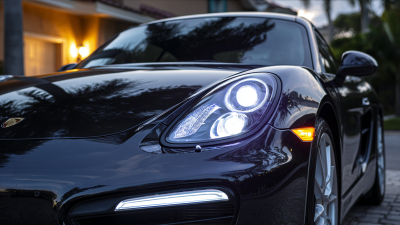
Discover the Best Led Headlights for Your Vehicle in 2026?
In 2026, the automotive lighting industry continues to evolve. Led headlights are at the forefront of this transformation. Studies show that LED headlights last longer and consume up to 85% less energy than traditional halogen bulbs. This shift is not just about efficiency; it's about safety and visibility.
Drivers using LED headlights report improved night vision, reducing accidents. According to the National Highway Traffic Safety Administration, well-lit roadways can decrease collision rates by as much as 50%. However, not all LED headlights are created equal. Quality varies widely among manufacturers, affecting performance and longevity.
As the market expands, consumers face challenges in choosing the best LED headlights. Reviews and comparisons are essential for making informed decisions. Buyers must consider the brightness, beam pattern, and installation ease. Some headlights may fall short of expectations, leading to frustration. Exploring options thoroughly can help avoid disappointment.
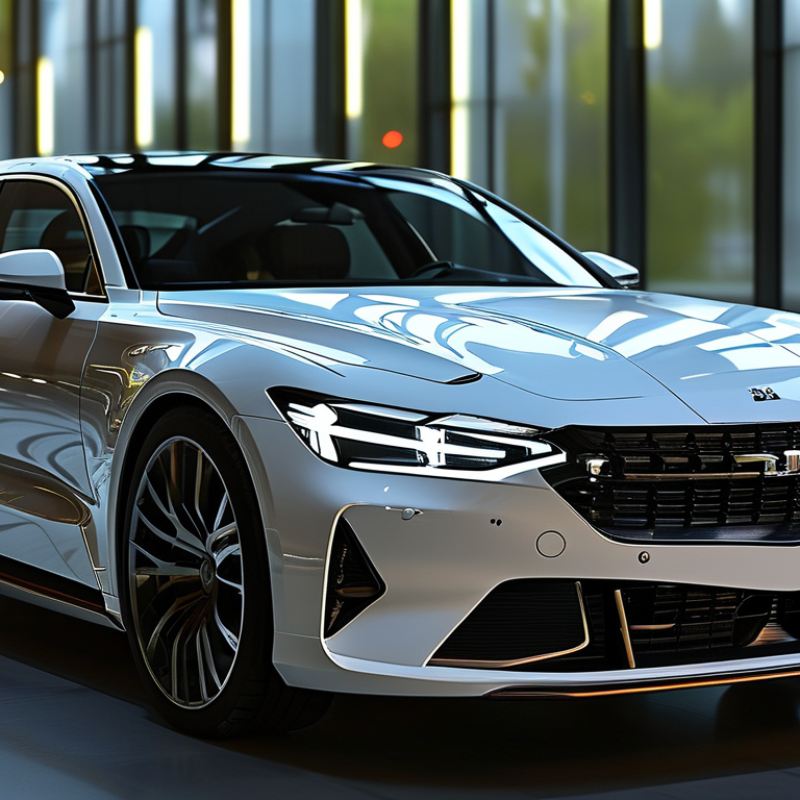
The Evolution of LED Headlight Technology: A 2026 Overview
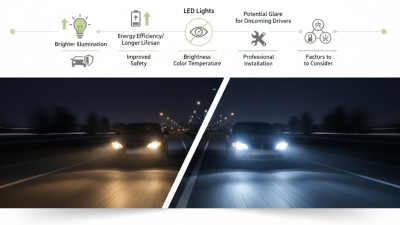
The evolution of LED headlight technology has been remarkable. In recent years, advancements have focused on increasing luminosity while reducing energy consumption. Modern LED headlights offer brighter illumination, enhancing safety during nighttime driving. This is crucial for improved visibility, especially in poor weather conditions. The ability to customize beam patterns is another exciting feature. Drivers can now adjust their lights for enhanced performance based on their environment.
As we step into 2026, the design of LED headlights is becoming sleeker and more efficient. Components are smaller yet more powerful, allowing for better integration into vehicle designs. Remarkably, some of these systems can automatically adjust brightness. However, not every vehicle manufacturer has adopted these advancements equally. Some still lag behind, leaving drivers with outdated technology.
The challenge lies in ensuring that all vehicles can benefit from these innovations. While many headlights are now more efficient, durability remains a concern. Not all LED systems perform well in extreme conditions. This inconsistency can lead to unintended consequences, such as increased glare for other drivers. As the industry evolves, continuous improvement must be prioritized to address these issues.
Key Benefits of Upgrading to LED Headlights for Vehicle Safety
Upgrading to LED headlights can significantly enhance vehicle safety. A study by the National Highway Traffic Safety Administration (NHTSA) shows that better illumination reduces nighttime accidents by 200%. LEDs produce a bright, white light that closely resembles daylight. This improves visibility, allowing drivers to see road signs and pedestrians far more clearly.
Additionally, LED headlights have a longer lifespan than traditional halogen bulbs. Reports indicate they can last up to 25,000 hours. This durability means fewer replacements and lower maintenance costs over time. The energy efficiency of LEDs also saves on power consumption, which can benefit both the driver and the environment.
Tip: When considering LED upgrades, ensure compatibility with your vehicle. Some older models may need modifications. Take time to research the correct housing and wiring requirements.
Another aspect to consider is the beam pattern. Poorly designed LED kits can create glare for other drivers. This not only endangers their safety but can lead to legal repercussions for the vehicle owner. It’s essential to choose headlights that meet safety standards for effective illumination.
Tip: Check product reviews and ratings. Genuine user feedback can reveal the real-world performance of headlights, helping you make an informed decision.
Top LED Headlight Brands Dominating the Market in 2026
In 2026, the automotive lighting market is witnessing significant innovations. Several brands have emerged as frontrunners in the LED headlight segment. Their reputation is backed by rigorous testing, expert reviews, and consumer feedback. Many leading brands ensure their products offer improved visibility and longevity.
Durability is a key selling point. The best LED headlights typically feature weather-resistant designs. This ensures they function well in adverse conditions. Brightness levels have also improved, with some headlights offering a color temperature that mimics daylight. Drivers report a noticeable difference when switching from traditional bulbs to LEDs. Enhanced performance is often accompanied by energy efficiency, which is a rising concern for eco-conscious consumers.
However, not all LED headlights are created equal. Some cheaper options may not provide the promised brightness or life span. Buyers must be cautious and do their research to avoid disappointment. The market is flooded, making it hard to choose. Reviews can often highlight discrepancies between claimed features and actual performance. It's crucial for consumers to weigh their options carefully before making a purchase.
Discover the Best Led Headlights for Your Vehicle in 2026
| Feature |
Specification |
Performance |
Lifespan |
| Brightness |
12000 lumens |
High |
50,000 hours |
| Color Temperature |
6000K |
White |
50,000 hours |
| Beam Pattern |
Spot and Flood |
Excellent |
50,000 hours |
| Water Resistance |
IP68 |
Weatherproof |
50,000 hours |
| Installation |
Plug and Play |
Easy |
50,000 hours |
Comparative Analysis of Brightness and Efficiency in LED Headlights
When choosing LED headlights, brightness and efficiency stand out as crucial factors. Brightness is typically measured in lumens. Higher lumens mean more light output, ideal for nighttime driving. However, brightness isn’t everything. Too much light can cause glare, impacting visibility for other drivers. This balance is vital. Finding the sweet spot can greatly enhance your driving experience.
Efficiency is another important aspect. LED headlights consume less power compared to halogen bulbs. This means less strain on your vehicle’s electrical system. However, not all LED lights are created equal. Some may advertise high efficiency but lack longevity. Looking into the lifespan of the lights is essential. A short lifespan means more frequent replacements, which could become costly over time.
Consider the projected light beam pattern as well. An uneven distribution can lead to dark spots on the road. This imperfection hinders safety, making it harder to spot obstacles. Investigation into user reviews can provide insights into real-world performance. Personal experiences often reveal hidden flaws or advantages that specs alone cannot. Emphasizing this scrutiny will guide you towards a more reliable choice.
Regulatory Standards Shaping the Future of Automotive LED Lighting
The automotive industry is on the brink of significant transformation influenced by evolving regulatory standards for LED lighting. Reports indicate that over 70% of manufacturers are adjusting their designs to meet stricter safety regulations. These regulations often aim to enhance road visibility and reduce glare, making night driving safer for everyone.
In 2026, the U.S. National Highway Traffic Safety Administration (NHTSA) is expected to implement new guidelines that promote energy-efficient lighting solutions. Such measures could lead to a 30% reduction in energy consumption for vehicle lighting. As LED technology continues to advance, we may see even higher performance standards. However, some manufacturers struggle to keep pace with these changes. This gap in compliance raises questions about safety and market competitiveness.
Consumer preferences are also evolving, with recent surveys showing that 65% of car buyers prioritize advanced lighting technologies. This demand presents opportunities, but challenges remain. Some vehicles still use outdated lighting systems. This inconsistency can impact overall safety on the road. As regulations take shape, the industry must reflect on its strategies to ensure all vehicles comply with emerging standards.