Leave Your Message

7 Best Amber LED Fog Lights for Trucks and SUVs

Fog, rain, and blowing snow can erase contrast before they block the road completely. Amber Led Fog Lights are popular with truck and SUV owners because their warm color can make nearby edges easier to distinguish in poor visibility. They are not a cure-all. Speed, spacing, clean lenses, and correctly aimed lamps still matter.

This guide looks at seven options for different vehicles and budgets. It compares practical details such as beam shape, mounting style, housing materials, electrical connections, and stated weather resistance. A wide, controlled beam may help illuminate the road’s edges without throwing unnecessary light upward. Fitment matters, too: check your vehicle’s make, model, year, and available mounting space before ordering. A promising product photo cannot confirm compatibility.

Small details count. A sealed connector is useful after a muddy trail, while a sturdy bracket can reduce vibration on rough roads. We also consider manufacturer specifications, warranty information, and the clarity of installation guidance. Claims about brightness deserve a careful look; a large lumen number alone does not tell you how well a beam is aimed or controlled. No single light suits every setup. Some buyers may prefer a simple replacement bulb, while others need a complete lamp assembly. The picks below offer a starting point, not a substitute for checking product details and your vehicle’s requirements. Your conditions may differ.
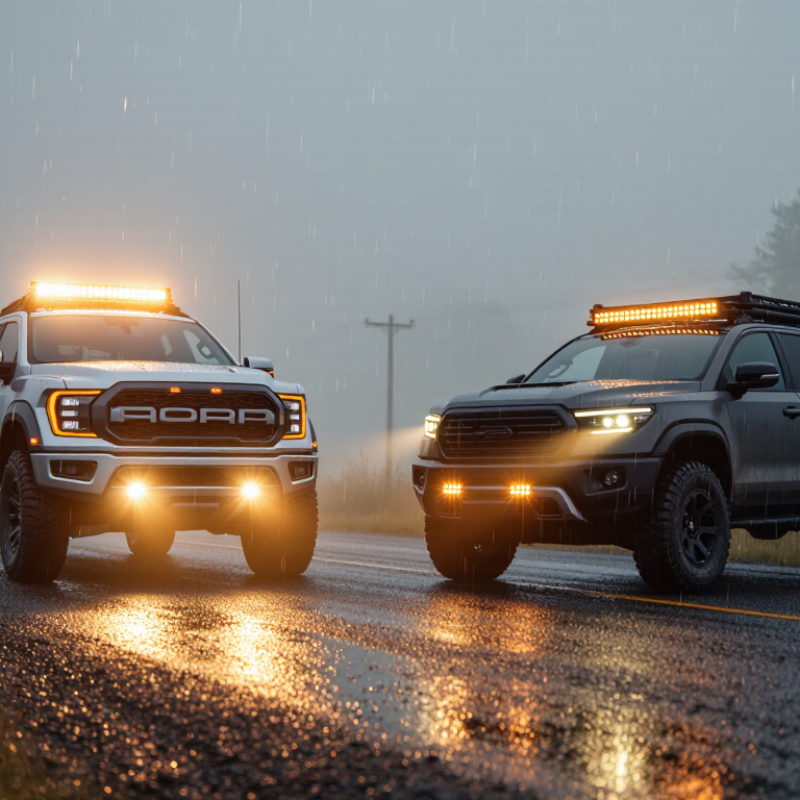
7 Best Amber LED Fog Lights for Trucks and SUVs

Understanding Amber LED Fog Lights and Their Advantages

Amber LED fog lights use a warm, yellowish beam intended to improve contrast in rain, mist, or blowing snow. The color alone does not cut through fog. Beam placement matters more: a wide, low pattern can illuminate road edges while limiting light reflected from suspended droplets. SAE International’s J583 recommended practice sets photometric requirements for vehicle fog lamps, emphasizing controlled beam distribution rather than color as a guarantee of visibility.

The risk is real. The Federal Highway Administration reports that weather contributes to about 1.2 million U.S. crashes each year, roughly 21 percent of all crashes. That figure covers varied conditions, not fog alone, but it shows why dependable lighting matters. Amber light may feel less harsh in some low-visibility settings, yet results depend on the lamp, vehicle height, road surface, and driver. No miracle here.

For trucks and SUVs, check that the beam stays low and does not create a bright wall of glare on wet pavement. A clean lens and careful aiming help; muddy lenses can scatter light. I would not choose by color temperature alone. SAE guidance addresses performance, while real-world visibility still varies, and published evidence does not establish that every amber LED outperforms every white lamp. Test the beam safely on a clear surface before relying on it in poor weather.
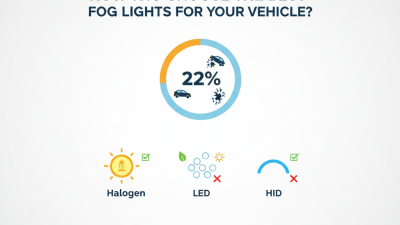
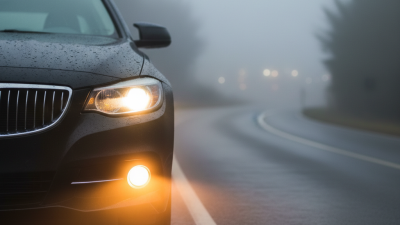
Key Features to Compare When Choosing Fog Lights

When comparing amber LED fog lights for a truck or SUV, start with beam shape, not advertised brightness. A wide, low beam should light road edges without creating a harsh hotspot. Check beam-test photos, when available; lumen figures alone cannot show where light falls. Amber may improve contrast in rain or haze, but it cannot make every storm safe to drive through. Small detail. Also compare lens clarity, housing seals, and a stated water-and-dust resistance rating. These features matter on muddy trails and roads treated with winter salt.

Check the light’s dimensions, mounting points, and wiring against your vehicle before buying. A lamp that almost fits can still vibrate loose or block another component. Review its voltage requirements and current draw, especially if adding multiple lights to an older electrical system. Heat management matters, too: an effective heat sink can help control operating temperatures during long drives. Look for a clear warranty and accessible installation instructions, rather than relying on polished product photos. I’d be cautious about choosing by color or peak output alone; real beam performance can look different once lights are mounted and aimed. Verify the finished beam on a flat surface, then adjust it to avoid unnecessary glare.

Seven Amber LED Fog Lights for Trucks and SUVs

When comparing seven amber LED fog lights for trucks and SUVs, look beyond color and advertised lumens. Consider compact round lamps, square pods, recessed bumper units, grille mounts, wide fog beams, combo beams, and higher-output housings. For fog use, prioritize a low, wide pattern with a clear upper cutoff. It should illuminate road edges without sending excess light into rain or mist. Small details matter. Check bracket stiffness, sealed connectors, heat management, and access for replacement. The Federal Highway Administration estimates that adverse weather contributes to about 1.2 million crashes each year in the United States, making dependable visibility equipment worth careful evaluation.

Tips: Aim the lamps on level ground after installation. Keep the lenses clean, and check that the beam stays below the sightline of oncoming drivers. A quick garage-wall check can reveal an uneven pattern.

Ask for documented beam-performance information and applicable SAE fog-lamp testing; a large lumen figure alone does not prove useful road coverage. I would not treat amber light as a cure-all. Beam shape, correct aiming, and sensible speed still matter in poor visibility. Fitment can be imperfect, too: bumper curves and brackets may shift the beam, so inspect the aim again after driving on rough roads.

7 Best Amber LED Fog Lights for Trucks and SUVs

Amber Light Wavelength Reference

Amber light is commonly associated with wavelengths of approximately 590–620 nanometers. The bars show reference points across that range, not measurements or rankings of specific fog lights.

How to Match Fog Lights to Your Vehicle and Driving Needs

Matching fog lights starts with the vehicle, not the color. Check the owner’s manual, bumper openings, mounting depth, connector type, and electrical capacity before shopping. A truck with a raised suspension may need a different beam aim than a stock SUV. SAE J583 sets test requirements for front fog lamps, including beam performance; look for clear specifications, not just a high lumen figure. Brighter is not always better.

Amber light can help some drivers distinguish road edges in rain, mist, or blowing snow. It cannot remove glare or compensate for misaligned lamps. The Federal Highway Administration estimates that weather contributes to about 1.2 million crashes, 5,000 deaths, and 418,000 injuries annually in the United States. Those figures cover many conditions, not fog alone. Choose a wide, low beam with a sharp upper cutoff, and confirm that it suits your usual roads. A rural gravel route and a wet city commute need different priorities. I would not choose by color alone.

Tips: Park on level ground and check the beam against a wall after installation. Confirm secure brackets, sealed connectors, and compatible wiring. Test the lights in a safe, empty area. If nearby drivers see a bright hotspot, reassess the aim; even a quality lamp can disappoint when pointed too high.

Installation, Alignment, and Maintenance Guidelines

Before installing amber fog lights, park the truck or SUV on level ground and let the lamps cool. Check the vehicle manual for suitable mounting points and wiring guidance. Disconnect the battery before handling electrical connections. Secure each lamp firmly, away from hot parts and moving components. Use sealed connectors and the specified fuse; a loose ground can cause flickering. Keep the wiring tidy.

Alignment matters. Park facing a flat wall, with the vehicle at normal ride height and the tires properly inflated. Mark the lamps’ center points on the wall, then adjust the beams according to the light maker’s instructions. Aim them low and evenly, not toward oncoming drivers. There is no single setting for every vehicle. Recheck alignment after carrying heavy cargo or changing suspension height. Test the lights in a safe, quiet area.

Inspect the lenses and mounts every few weeks, especially after rough roads or heavy rain. Wipe away grit with a soft cloth, and look for moisture, cracked seals, or damaged insulation. Replace faulty parts rather than covering exposed wiring with a quick patch. Small details matter. I have seen a solid-looking bracket loosen after repeated vibration, so check fasteners again after the first few drives. If a beam still looks uneven, pause and reassess the mounting position instead of forcing the adjuster.

7 Best Amber LED Fog Lights for Trucks and SUVs — Installation, Alignment, and Maintenance Guidelines
Option Best suited for Typical form and electrical setup Beam and amber-light guidance Installation and alignment Maintenance checks
1. Road-approved replacement fog lamps Drivers replacing factory lamps for regular road use. Vehicle-specific housings; commonly designed for a 12-volt vehicle system. Confirm fitment and electrical compatibility for the exact vehicle. A wide, low fog beam is generally preferable. Choose a lamp with applicable road-use approval for the country or region where it will be used. Use the intended mounting points and supplied seals. Aim according to the vehicle and lamp instructions; keep the beam low and avoid directing glare toward oncoming traffic. Check lens clarity, mounting security, connectors, and the beam aim after installation or front-end repairs.
2. Compact round auxiliary pods Small bumpers, grille brackets, and vehicles with limited mounting space. Compact pod-style housing, typically supplied for 12-volt vehicle systems; mounting hardware and wiring vary by product. Look for a defined fog pattern rather than a concentrated long-distance spot beam. Amber output is often marketed around the 3,000 K range, but specifications vary. Use a rigid bracket and suitable fasteners. Position symmetrically where practical, then aim each lamp separately using the maker’s procedure. Remove mud and road film from the lens. Check bracket fasteners and cable routing for rubbing, heat, or water entry.
3. Rectangular bumper pods Trucks and SUVs with a wide bumper opening or rectangular mounting area. Rectangular sealed housing; verify dimensions, mounting depth, voltage range, and connector type before purchase. A broad horizontal beam can suit low-speed visibility in fog or rain. A wide beam should still have a controlled upper cutoff to limit glare. Confirm clearance behind the bumper for wiring, cooling, and service access. Align on level ground with the vehicle loaded as directed by the lamp instructions. Inspect the lens and housing seams for damage. Recheck aim if the bumper, bracket, or suspension height changes.
4. Integrated bumper fog-light assemblies Vehicles with a factory-style fog-light opening and compatible replacement assemblies. Vehicle-specific assembly; electrical connectors, mounting tabs, and bulb or LED design are vehicle-dependent. Prefer an assembly engineered for the vehicle’s intended fog-lamp position and beam pattern. Confirm whether its amber color and road-use approval are permitted locally. Follow the vehicle service procedure, protect the wiring, and replace damaged seals. Use the specified aiming method after installation. Check for condensation that persists, cracked lenses, loose tabs, and uneven light output; repair damaged seals or connections.
5. Low-profile grille-mounted pods Owners seeking a compact auxiliary setup without large bumper-mounted lamps. Small surface- or bracket-mounted units, commonly intended for 12-volt systems; confirm current draw and circuit requirements. Choose a fog-pattern optic for near-field visibility. Avoid using a high-mounted, wide-spill lamp where it could reflect from fog, rain, or snow. Make sure the grille does not block the beam or airflow. Use a fused circuit and a relay when required by the lamp’s instructions. Clean the lens and grille area, check that the bracket remains tight, and inspect wiring for contact with sharp edges.
6. Amber fog-and-driving combination lamps Drivers who need auxiliary lighting for more than one off-road or task-lighting use. Pod or bar-style housing with a combination optic or selectable modes; operating modes and wiring differ by design. A driving beam can project farther than a fog beam and may cause glare in poor visibility. Use only the appropriate mode and follow local rules for road use. Mount securely and wire each mode as instructed. Align any road-facing fog function low; do not assume an off-road lamp is road-approved. Test each mode, switch, fuse, and connector. Check aim and fasteners after rough-road use.
7. Heavy-duty sealed auxiliary pods Work trucks and SUVs exposed to frequent water, dust, vibration, or rough roads. Ruggedized housing and sealed connectors may be offered; compare the stated ingress-protection rating and installation requirements. Choose a controlled fog optic for road visibility. A high ingress-protection rating does not by itself establish beam quality or road legality. Use the specified brackets and cable glands. Route wiring away from exhaust heat, moving parts, and pinch points; fuse the circuit appropriately. Rinse off abrasive dirt without harsh solvents. Inspect seals, connector locks, corrosion, and bracket cracks regularly.
General guidance: These are product-style categories, not claims about specific tested models. Specifications and approvals vary by lamp. Before buying, verify vehicle fitment, voltage and current requirements, beam pattern, ingress rating, and local road-use regulations. For alignment, use a level surface and follow the lamp or vehicle manufacturer’s procedure; recheck aim after installation and whenever mounting height or suspension changes.