Best Led Lights For A Vehicle What To Choose?
When choosing the best LED lights for a vehicle, expert John Davis emphasizes the importance of quality over quantity. He states, "Not all LED lights are created equal; the right choice can transform your driving experience." This insight reflects a critical understanding of the LED lights for a vehicle market.
Selecting the ideal LED lights can be daunting. With various options available, making an informed choice is crucial. Factors like brightness, color temperature, and durability should guide your decision. Higher lumens do not always mean better performance. Inconsistencies can arise from cheap brands, sometimes leading to premature failures.
Drivers often overlook the specific needs of their vehicles. Each model has distinct requirements. Compatibility and installation play significant roles. Reflecting on these elements ensures not only optimal performance but also safety on the road. Your vehicle deserves more than just average lighting solutions.
Types of LED Lights Suitable for Vehicles
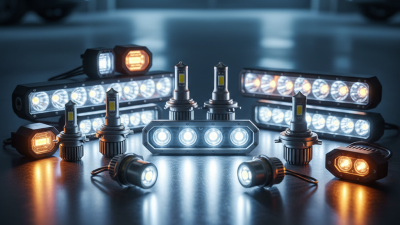
When selecting LED lights for vehicles, it's essential to understand the types available. Different types of LED lights serve various purposes, ensuring safety and enhancing aesthetics.
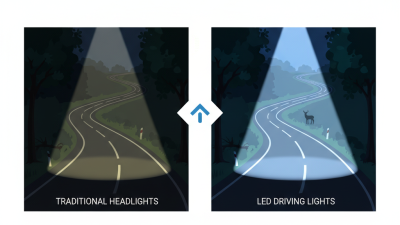
Headlights, for instance, are critical for visibility at night. They illuminate the road effectively and can be brighter than traditional bulbs.
Fog lights are another essential type, designed to cut through fog or heavy rain. Their wide, low beam helps drivers navigate safely in tough weather conditions.
Interior LED lights can transform the cabin experience. These lights are available in varying colors, making it easy to customize the vehicle’s ambiance.
Some may prefer a calming blue tone, while others opt for vivid red or green.
Tail lights and brake lights are vital for signaling intentions to other drivers. They ensure visibility from behind, serving as a
safety feature on the road.
Consider the importance of quality in LED lights. Choosing low-quality options can lead to dull performance and increased failure rates. Investing in reliable LED lights can save both time and money in the long run.
This choice often results in brighter lighting, which increases safety. Always reflect on your specific needs before finalizing your selection.
This attention ensures a
better driving experience.
Factors to Consider When Choosing LED Lights
When choosing LED lights for your vehicle, several factors come into play. The brightness of the lights is crucial. You want lights that illuminate the road clearly without blinding other drivers. Look for lights measured in lumens. A higher lumen count usually indicates better visibility.
Another important aspect is the color temperature. LED lights can range from warm white to cool blue. A color temperature around 6000K is often preferred for clarity. It's essential to balance aesthetics and practicality. Pay attention to the beam pattern as well. A well-focused beam enhances visibility and reduces glare.
Tips: Consider the weather conditions in your area. Some LED lights perform better in foggy or rainy conditions. Ensure they are rated to withstand different climates. Also, examine the durability of the lights. Check the materials used. High-quality materials can prevent damage from road debris.
Lastly, installation should not be overlooked. Some lights are easier to install than others. Ensure that you have the necessary tools or professional help if needed. It’s crucial to ensure that your chosen lights comply with local regulations to avoid potential issues. Be mindful of all these factors for a well-informed decision.
Top Brands for Vehicle LED Lighting Options
Selecting the best LED lights for vehicles can significantly enhance visibility and aesthetics. Top brands in the LED lighting industry offer a mix of high-quality and innovative options. A recent industry report highlights that over 60% of vehicle owners prefer LED lighting for its efficiency and long lifespan. These lights consume less energy while providing brighter illumination compared to traditional bulbs.
When choosing LED lights, consider the lumens output. More lumens typically mean a brighter light. Many high-performing LED options provide between 1,000 to 3,000 lumens per light. Furthermore, temperature management is crucial. Poorly designed lights can overheat, leading to reduced lifespan and potential vehicle damage.
Tip: Always check for certifications and warranties, which indicate reliability. Another suggestion is to read reviews from other users. This can give insight into performance and durability in real-world conditions. Brands that prioritize customer feedback often produce superior products. Balancing cost and quality is essential, as a higher price doesn't always guarantee better brightness or longevity.
Installation Tips for Vehicle LED Lights
When installing LED lights in your vehicle, careful planning is essential. Begin by choosing the correct type of LED lights that suit your needs. Consider the color, brightness, and style. Make sure to select lights that are appropriate for your vehicle's specific requirements. This attention to detail ensures both functionality and aesthetics.
During installation, gather necessary tools like wire strippers, electrical tape, and a screwdriver. Preparation is key. Disconnect the vehicle battery to ensure safety. Next, follow the manufacturer’s guidelines for wiring. It’s tempting to rush, but mistakes can be costly. Neat, organized wiring prevents future issues. Take your time to secure connections properly. Also, position lights correctly to avoid glare.
After installation, test the lights before sealing everything up. Check if all lights are functioning as intended. If something is off, troubleshoot before completing the job. This reflection process ensures your vehicle is equipped with reliable lighting. LED lights can enhance safety and visibility. However, improper installation may lead to malfunctions. Focus on accuracy and safety during this project.
Comparison of LED Light Types for Vehicles
This chart compares the brightness (in lumens) of different types of LED lights available for vehicles. Choosing the right type can significantly affect visibility and functionality during driving.
Maintenance and Care for Long-Lasting LED Lights
LED lights are a fantastic upgrade for any vehicle. They offer bright illumination and enhance visibility on the road. However, to enjoy their benefits long-term, proper maintenance is crucial. Regularly check the connections and wiring. Loose or corroded wires can reduce their lifespan. Cleaning the lenses with a soft cloth helps maintain brightness. Dirt and grime will block the light output.
Over time, LED lights can dim or flicker. This might indicate a problem. Inspect each light periodically. Look for signs of wear or damage. Replacing faulty components promptly can prevent further issues. Keep the lights dry and avoid using harsh chemicals when cleaning. Excess moisture can lead to corrosion, impacting performance.
Many vehicle owners overlook temperature conditions. Extreme heat or cold can affect LED functionality. Consider where you park. Keeping your vehicle in a garage can mitigate temperature fluctuations. Lastly, always refer to your vehicle’s manual. It provides helpful guidelines for maintaining LED lights effectively. Caring for your lights means safer driving and a longer-lasting product.