Best Led Lights For A Vehicle What Are Your Options?
When it comes to upgrading your vehicle, choosing the right LED lights is crucial. According to automotive lighting expert Mark Johnson, "High-quality LED lights can significantly enhance both safety and visibility on the road." As vehicle technology advances, LED lights for a vehicle have become a popular choice among drivers. They offer brighter illumination, longer lifespans, and increased energy efficiency compared to traditional bulbs.
Many options exist in the market today, each with unique features and benefits. From headlights to interior lights, the choices can feel overwhelming. Factors like brightness, color temperature, and design should inform your decision-making process. Additionally, proper installation plays a vital role in maximizing the benefits offered by LED lights for a vehicle. A poorly installed light can limit effectiveness and lead to unnecessary replacement expenses.
While LED lights for a vehicle are generally reliable, they are not without their flaws. Some cheaper models can suffer from a shorter lifespan or inconsistent brightness. It's essential to evaluate user feedback and expert reviews when making your selection. In this bustling market, selecting the best LED lights requires careful thought and informed choices.
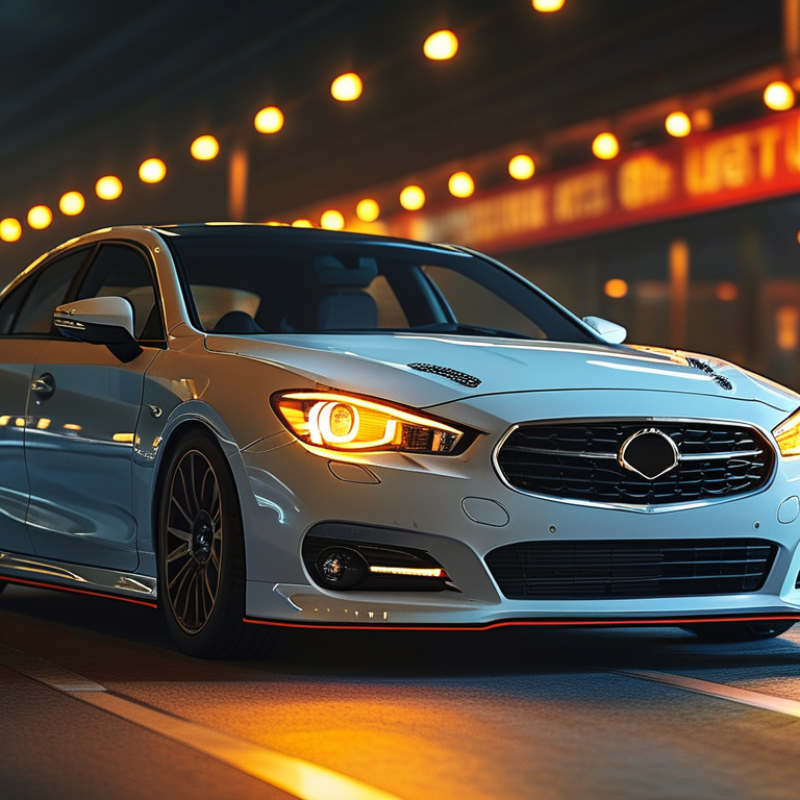
Types of LED Lights for Vehicles: An Overview
When it comes to vehicle lighting, various types of LED lights are available to enhance safety and visibility.
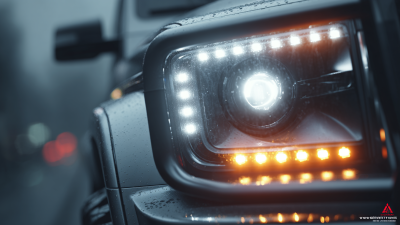
Headlights are arguably the most crucial for night driving. According to a report by the National Highway Traffic Safety Administration, accidents can be reduced by up to 50% with advanced lighting systems. LED headlights shine brighter and last longer than traditional halogen bulbs, making them a popular choice among vehicle owners.
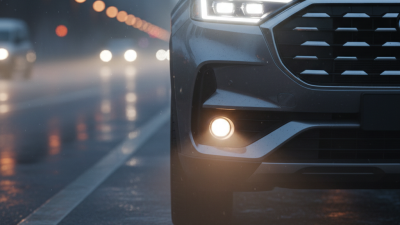
Fog lights are another essential type of LED lighting. They help drivers see better in low-visibility conditions, such as rain or fog. A study from the Society of Automotive Engineers highlighted how effective fog lights can reduce the glare caused by rain, aiding in clearer vision. Many drivers overlook this feature, yet it plays a critical role in road safety.
Additionally, tail lights and turn signals equipped with LED technology offer advantages like faster illumination and lower power consumption. The increased responsiveness can help prevent rear-end collisions. According to a recent automotive report, vehicles with LED tail lights are less likely to experience accidents due to their quick visibility. However, it’s important for drivers to ensure their tail lights are functioning correctly. Regular checks can prevent unexpected issues and improve overall safety on the road.
Benefits of Utilizing LED Lights in Vehicles
LED lights have transformed vehicle lighting in many ways. Their energy efficiency is remarkable. They consume less power than traditional bulbs. This means less strain on the vehicle's battery. The brightness of LED lights enhances visibility during night driving. Enhanced visibility can lead to improved safety on the road.
Furthermore, LED lights have a longer lifespan. Traditional bulbs may burn out frequently. In contrast, LEDs can last for years. Fewer replacements mean less waste. However, the initial cost of LED lights can be high. Some might hesitate to invest upfront. Yet, considering longevity, they often prove to be cost-effective over time.
Another significant benefit is the range of colors available. LED lights can create a custom look for any vehicle. This personalization adds flair but may distract some drivers. The brightness can also pose issues for other road users. Balancing aesthetics with safety is essential. While the benefits are clear, vehicle owners should reflect on their choices carefully.
Factors to Consider When Choosing LED Lights
When selecting LED lights for your vehicle, consider
brightness as a top priority. The intensity of the light can affect visibility
during night driving or inclement weather. LED lights vary in lumens, so choose one that suits your driving needs.
A brighter output generally enhances safety, but over-illumination can
cause glare to oncoming drivers. This balance is crucial.
Another important factor is the color temperature of the LED
lights. They come in various shades, from warm white to cool blue.
Cooler temperatures often mimic daylight, improving visibility. However, warmer lights can be easier on the eyes
during long drives. Evaluate your common driving conditions to select the best color temperature.
Lastly, check the durability and weather resistance of the LED lights. Not all lights are built to withstand harsh environmental conditions.
LED options may come with different ratings for water and dust resistance. Investing in lights that can
endure rain, snow, or rough terrains is essential.
Poor quality lights may fail in crucial moments, leading to frustrating experiences.
Always consider these aspects before making a decision.
Top Brands and Models of LED Lights for Vehicles
When selecting LED lights for vehicles, several top brands and models stand out in the market. According to a recent industry report, 65% of vehicle owners prefer using LED lighting due to its energy efficiency and longevity. High-quality LED kits can last up to 25,000 hours, making them a smart investment for drivers.
Popular models typically feature improved lumens output and versatility. For instance, some LED lights provide adjustable brightness settings, allowing drivers to customize their visibility. Many users report that the quality of light improves safety during nighttime driving significantly. However, there are still some challenges. Not all LED kits are compatible with every vehicle type, leading to frustration for buyers when installation is difficult or requires additional components.
Consumer feedback highlights the importance of choosing reputable brands. It’s essential to consider customer reviews and expert recommendations. Some products have received mixed feedback due to issues with longevity or brightness. Buyers should weigh this information carefully before making a decision. Ultimately, making informed choices on these lights can significantly enhance driving experiences.
Best LED Lights for Vehicles
This chart displays the average lumen output of various types of LED lights suitable for vehicles. The data represents common options found in the market, providing insights into their brightness capabilities.
Installation and Maintenance Tips for Vehicle LED Lights
When considering LED light installation for your vehicle, planning is essential. Before starting, ensure you have the right tools. Basic tools include wire connectors, a soldering iron, and electrical tape. Familiarize yourself with your vehicle's electrical system. You may encounter challenges. Be prepared for troubleshooting if a light doesn't function correctly.
It’s also important to choose the appropriate power source. LED lights are efficient and consume less energy, which is ideal for most vehicles. However, double-check the voltage to avoid potential damage. A common mistake is underestimating the installation space for the lights. Accurately measure the intended area beforehand to avoid unwanted adjustments.
Regular maintenance keeps your vehicle lights in optimal condition. Clean the lights periodically to remove dirt and grime. This ensures maximum brightness. Consider checking connections regularly; loose connections can lead to flickering. Note that some corrosion may occur over time. Address this by gently cleaning affected areas to prolong the life of your LED lights.
Best LED Lights For A Vehicle: Options, Installation, and Maintenance Tips
| Light Type |
Lumens Output |
Installation Difficulty |
Lifespan (Years) |
Maintenance Tips |
| Headlight LED |
800-1200 lumens |
Moderate |
5-10 |
Regularly check alignment and clean the lenses |
| Fog Light LED |
600-1000 lumens |
Easy |
4-8 |
Clean lenses and check for condensation |
| Tail Light LED |
400-800 lumens |
Easy |
6-10 |
Check for proper function and clean regularly |
| Interior LED |
200-600 lumens |
Very Easy |
10-20 |
Dust fixtures and replace as needed |
| Underbody LED |
300-900 lumens |
Moderate |
5-7 |
Inspect the wiring and connectors |