2026 How to Choose the Best Led Driving Lights for Your Vehicle?
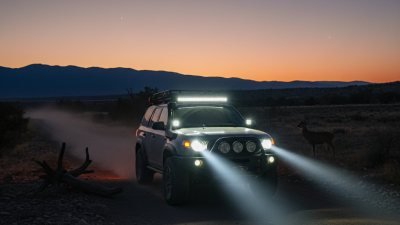
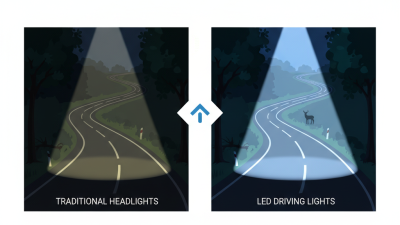
When it comes to enhancing nighttime visibility for vehicles, LED driving lights stand out as a pivotal choice. According to a report by the National Highway Traffic Safety Administration, inadequate lighting contributes to 30% of nighttime accidents. Therefore, choosing the best LED driving lights can drastically improve roadway safety. These lights offer brighter illumination and longer lifespans than traditional options.
The LED driving lights market has seen significant growth, projected to reach over $5 billion by 2026. This growth is driven by increasing demand for off-road and adventure vehicles. Many drivers report that well-chosen LED lights have transformed their nighttime driving experiences, providing clarity and confidence. However, potential buyers often face overwhelming options and varying quality standards. Not all LEDs perform equally, and some may not deliver the expected benefits.
Reflecting on this dynamic market requires careful consideration. It is essential to evaluate specific needs, whether for off-roading, commuting, or enhancing vehicle aesthetics. Finding the right balance between brightness, beam pattern, and durability becomes vital in making an informed choice. Ultimately, selecting the right LED driving lights can enhance not just visibility but also overall safety and driving enjoyment.
Factors to Consider When Selecting LED Driving Lights
When choosing LED driving lights, several key factors must be considered. The brightness of the lights is crucial. Measured in lumens, a higher lumen count generally equates to brighter output. Aim for lights that can illuminate a wider area, not just a focused spot. This increases visibility during night drives or in poor weather conditions. Remember, excessive brightness can cause glare for oncoming drivers, which needs proper consideration.
The color temperature of LED lights also plays a significant role. Typically measured in Kelvin, a warmer color around 3000K offers a cozy glow, while 6000K emits an intense white light. Choosing the right temperature affects how you perceive distance and depth on the road. Some may prefer a mid-range solution, balancing comfort and visibility.
Additionally, the durability of these lights should not be overlooked. Look for lights that are resistant to shocks, water, and extreme temperatures. They should withstand harsh environments. It’s worth reflecting on your typical driving conditions. If you regularly encounter rugged terrains, prioritize rugged designs. Evaluate your options carefully; what works for one vehicle may not suit another.
Types of LED Driving Lights Available on the Market
When selecting LED driving lights for your vehicle, understanding the types available is essential. There are several main categories to consider. Floodlights provide a wide beam, making them great for illuminating large areas. Spotlights, on the other hand, concentrate light into a narrow beam. This is ideal for long-distance visibility on dark roads. Combination lights offer the best of both worlds, providing versatility for various driving conditions.
Tips: Always check the lumen output. Higher lumens mean brighter lights. However, consider the beam pattern too. Adjust your lights properly to avoid blinding other drivers.
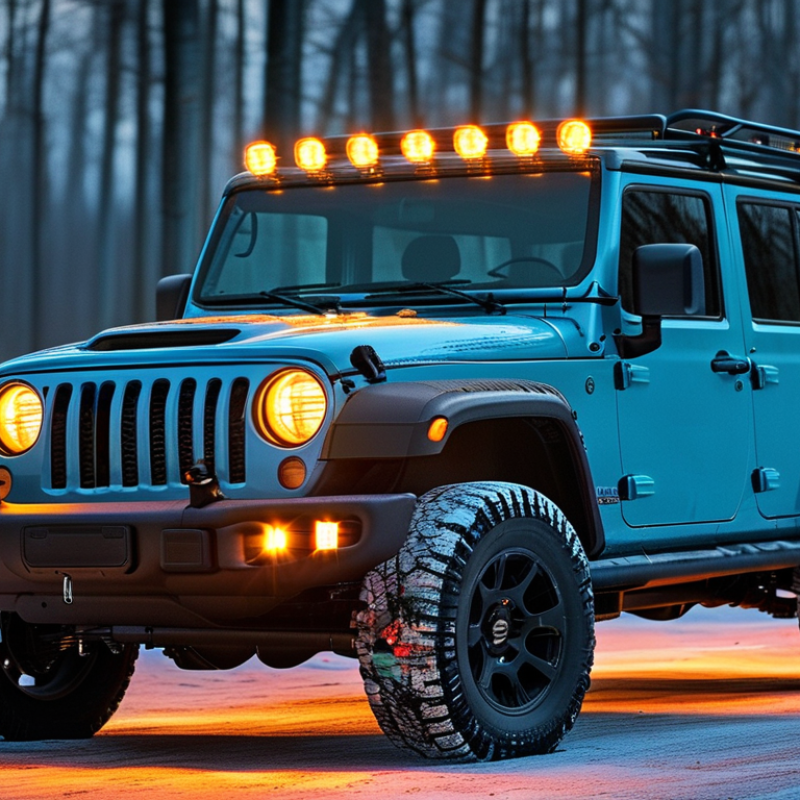
Another type available is the work light. These lights are designed for tasks requiring more illumination, such as off-roading. They typically feature rugged designs, making them durable under tough conditions. There's also the option of light bars, which can offer powerful illumination across a wide span. However, installation and compatibility with your vehicle's design must be assessed carefully. Don’t overlook the importance of color temperature. A cooler light can enhance visibility during nighttime driving.
Tips: Research installation requirements beforehand. You may need additional equipment or wiring. Choose lights that are rated for different weather conditions. This will affect their performance and reliability in the long run.
2026 How to Choose the Best LED Driving Lights for Your Vehicle? - Types of LED Driving Lights Available on the Market
| Type of LED Driving Light |
Lumens Output |
Beam Pattern |
Power Consumption (W) |
Average Lifespan (Hours) |
| Spot Lights |
1200-5000 Lumens |
Narrow Beam |
20-50 W |
30,000 |
| Flood Lights |
1000-3000 Lumens |
Wide Beam |
15-35 W |
50,000 |
| Hybrid Lights |
2000-4000 Lumens |
Combination Beam |
25-60 W |
40,000 |
| Work Lights |
1500-3000 Lumens |
Flood Beam |
20-50 W |
60,000 |
Understanding Lumens and Wattage in LED Light Output
When selecting LED driving lights, understanding lumens and wattage is key.
Lumens measure output brightness. A higher lumen count means brighter light. This aspect is crucial for visibility in low-light conditions. For most drivers, 2,000 to 3,000 lumens offers a good balance of brightness and efficiency.
Wattage indicates energy consumption. Higher wattage often means more light, but efficiency varies across products. An LED light with lower wattage can outperform another with higher wattage if designed well. Evaluate both lumens and wattage to ensure optimal performance.
Tips: Always compare lumens per watt for efficiency. Consider the type of driving you do; highway driving requires more light than off-road. Choose lights with adjustable beams for versatility. Do your research to find reliable resources on brightness ratings.
Installation Options for LED Driving Lights on Your Vehicle
When choosing installation options for LED driving lights, it's essential to consider the vehicle's design. Many vehicles have designated mounting locations, which can simplify the installation process. According to a recent industry report, nearly 70% of drivers prefer pre-drilled mounting points due to ease of use. However, drivers should ensure their mounting spots do not obstruct airflow or other vital components.
Another option is using adjustable brackets. They allow for flexibility in positioning the lights. This can enhance visibility while reducing glare for oncoming traffic. Research shows that properly aimed driving lights can improve nighttime visibility by up to 50%. It's crucial to take time during installation to test different angles. Misalignment often leads to frustration, as improper light positioning can diminish effectiveness.
Cable management is another area where many overlook detail. Poorly organized wiring can lead to potential hazards, including short circuits. The industry recommends using heat-resistant wiring and proper connectors to enhance reliability. In fact, around 15% of LED driving light failures can be traced back to wiring issues. Investing time in proper installation today will prevent headaches down the road.
Tips for Maintaining and Caring for Your LED Driving Lights
When it comes to LED driving lights, maintenance is crucial for longevity. Regularly check the mounting and wires. A loose connection can lead to flickering lights, which might be annoying. Clean the lenses often to maximize brightness. Dust and dirt can accumulate quickly. Use a soft cloth, avoiding harsh chemicals that may damage the surface.
Inspect the lights for any signs of wear. Cracks or moisture inside the lenses can reduce performance. If you find any issues, address them promptly. It’s better to replace a faulty light than risk poor visibility. Consider the environment your vehicle operates in. Extreme temperatures can affect LED durability.
While these maintenance tips are essential, keep in mind that even the best lights can fail. No product is perfect. Stay prepared with a backup plan for your driving needs. This proactive approach helps ensure safety on the road. Proper care leads to reliable performance, keeping you and your passengers safe.