How to Choose the Best LED Off Road Lights for Your Vehicle?
Choosing the right LED off road lights for your vehicle is crucial for safety and performance. According to a recent report by the Specialty Equipment Market Association (SEMA), the demand for LED off road lights has surged by over 42% in the last five years. This growth indicates a shift towards enhanced visibility and safety during night driving and rugged terrain.
Industry expert Robert Houghton, renowned for his work on off-road lighting solutions, emphasizes, "LED off road lights are no longer optional; they are essential for serious off-road enthusiasts." His insight underscores the necessity of quality lighting to navigate challenging environments.
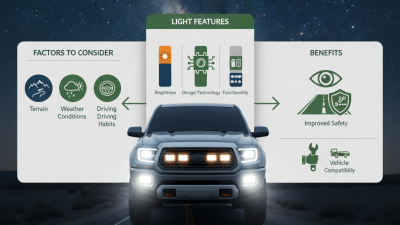
When selecting LED off road lights, consider beam pattern and power output. Many users overlook these critical factors, leading to poor visibility. Design and mounting options also play a vital role in functionality and aesthetics. In a market flooded with choices, staying informed can help you avoid common pitfalls. Aim for lights that offer a balance of quality and performance, ensuring they meet your specific needs.
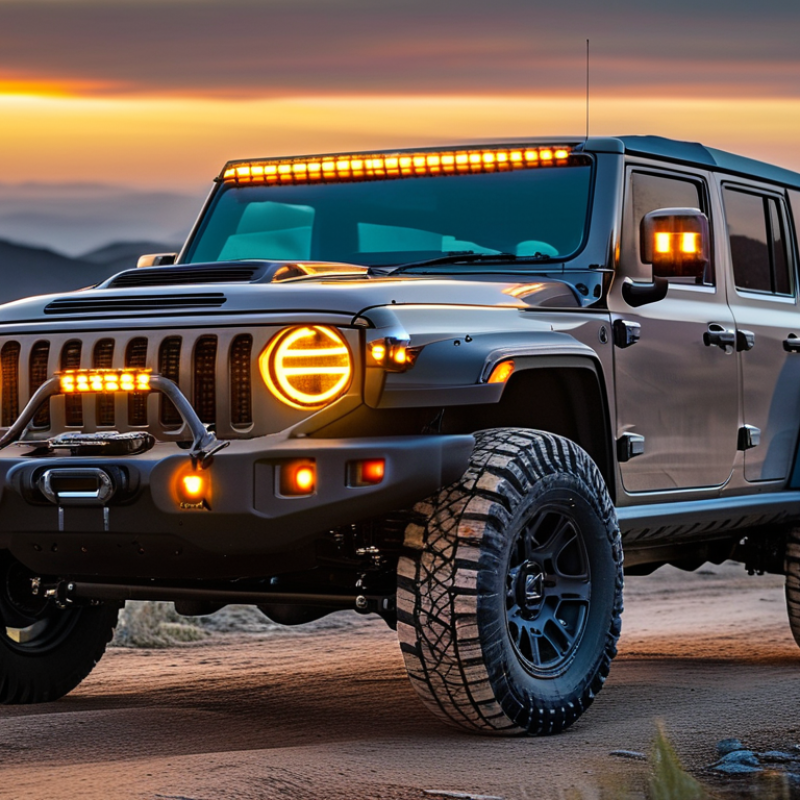
Understanding Different Types of LED Off Road Lights: Spot vs. Flood
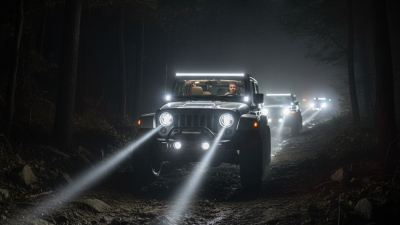
When choosing LED off-road lights, understanding the types is crucial. Spotlights and floodlights serve different needs. Spotlights focus on illuminating a narrow area from a distance. They project light in a concentrated beam, which can reach significant distances, often up to 1,500 feet or more. This makes them ideal for situations where long-range visibility is essential, such as during nighttime trail riding or navigating steep terrains.
In contrast, floodlights emit a wide beam. This design offers a broader field of view, typically up to 120 degrees. They are perfect for illuminating a wider area, making them suitable for camping or working on vehicles at night. Research indicates that using both types together can enhance safety and performance. A combination allows drivers to see both distant obstacles and immediate surroundings clearly.
Yet, there’s a balance to strike. Overly bright lights can cause glare, impairing the visibility for others. Some models may not last long under rigorous conditions. It’s essential to assess your specific off-road activities and choose lights that match those needs, factoring in the terrain and weather conditions. Personal experiences often differ. What works for one driver might not work for another. Always consider feedback from fellow off-road enthusiasts when selecting your lighting solution.
Comparison of LED Off Road Lights: Spot vs. Flood
Evaluating Brightness: How Lumens Impact Off Road Visibility
When selecting LED off-road lights, brightness is crucial. Lumens define how much light a bulb emits. A higher lumen count means brighter light, which is essential for off-road driving. This brightness enhances visibility in dark, rugged terrains. However, lumens are not the only factor to consider. Light spread and beam patterns also matter.
Consider how different lumens affect your driving experience. For instance, lights with 1,000 lumens provide decent visibility for navigating trails. However, if you venture into densely wooded areas, lights with 3,000 lumens are more effective. They cut through dark spaces more efficiently. The dimensions of your vehicle may also influence light placement and the optimum lumen count needed.
While high lumens can enhance clarity, they can create blind spots. It's essential to balance brightness with an appropriate beam pattern. A focused beam might illuminate a specific area well. However, it may not provide adequate peripheral vision. Understanding these factors helps in making informed choices. Each journey into the wild can bring different challenges, highlighting the need for reliable lighting solutions.
How to Choose the Best LED Off Road Lights for Your Vehicle? - Evaluating Brightness: How Lumens Impact Off Road Visibility
| Light Type |
Lumens Output |
Beam Distance (meters) |
Wattage |
Color Temperature (K) |
Ideal Use Case |
| Flood Light |
2000 |
30 |
20 |
6000 |
Camping, Work Sites |
| Spot Light |
3000 |
100 |
25 |
5000 |
Long-Distance Travel |
| Combo Light |
4000 |
60 |
30 |
5500 |
Off-Roading, General Use |
| Square Light Bar |
5000 |
50 |
35 |
6000 |
Wide Area Visibility |
Understanding Beam Patterns: Choosing the Right Configuration for Your Needs
When selecting LED off-road lights, understanding beam patterns is crucial. The two primary types are flood and spot beams.
Flood beams offer a wide dispersal of light, perfect for illuminating broad areas. They are ideal for low-speed driving on uneven terrain.
Spot beams provide a focused light, casting a narrow, long-reaching beam. This is useful for high-speed conditions, allowing drivers to see further down the road.
Consider your typical off-road conditions. Do you frequently navigate trails with tight spaces or wide open areas? If it’s the former, flood lights might be more beneficial. Alternatively, if speed and distance visibility are vital, spot lights should be prioritized. Many setups combine both types to strike a balance between width and distance. Each configuration has pros and cons, depending on personal usage and preferences.
Installation can be challenging. Aim for a height that doesn’t obstruct your view but maximizes light output. Incorrect positioning can lead to unwanted glare. Experimenting with different angles can help find the best setup. Also, pay attention to the power draw; sometimes, higher lumens mean a shorter lifespan. Finding the right configuration is a process that may require adjustments.
Durability and Waterproof Ratings: Importance in Off Road Conditions
When choosing LED off-road lights, durability and waterproof ratings are critical. These factors significantly impact performance in rugged environments. A report by the SAE International states that vibrations and shocks can lead to failure in low-quality lights. Thus, investing in robust materials is essential for longevity.
Most off-road conditions expose lights to dust, mud, and water. Research indicates that lights with an IP67 rating can withstand submersion in water for 30 minutes. Higher ratings, like IP68, offer even better protection. This level of waterproofing is crucial for extreme weather or off-road adventures. Lights that are not adequately rated may fail when exposed to harsh elements.
Considering these ratings can save you money and time. Replacing lights frequently due to water damage is not cost-effective. Off-road enthusiasts emphasize the importance of understanding these specifications. Poor choices can lead to disappointment during challenging trips. It's worth reflecting on the balance between cost and durability in your selection process.
Installation Considerations: Essential Tips for Proper LED Light Setup
When installing LED off-road lights, proper setup is crucial for safety and optimal performance. Start by selecting the right mounting location. It should offer maximum visibility while ensuring stability during rough terrain. According to a study by the Off-Road Industry Association, improper angles can reduce light efficiency by up to 30%. Many enthusiasts overlook this, leading to poor illumination.
Wiring is another vital consideration. Use high-quality connectors to prevent corrosion. This will ensure a longer lifespan for your lights. The National Highway Traffic Safety Administration emphasizes that improper wiring can result in electrical failures. Always consult an installation manual, but remember to assess your vehicle’s specific needs too. A common mistake is failing to double-check the power supply, which can drain your vehicle's battery.
Test your installation in various conditions after completing the setup. Check beam patterns during nighttime drives. An uneven light distribution could indicate a misaligned mount. Adjust accordingly. Consistently refining your setup based on real-world performance can significantly enhance your off-road adventures. Regular evaluations are key to ensuring reliability and safety in challenging environments.