Best Light Bar Options for Your Vehicle in 2026?
As we move into 2026, the demand for quality light bars is on the rise. According to industry reports, the global light bar market is projected to reach $1.5 billion by 2025, showcasing a significant growth trend. This rise reflects a growing interest in enhanced vehicle lighting, especially among outdoor enthusiasts and professionals who rely on reliable illumination for safety.
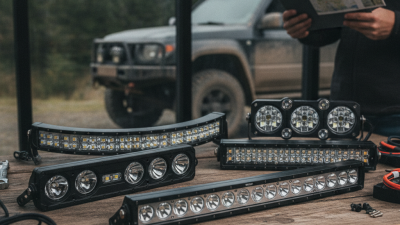
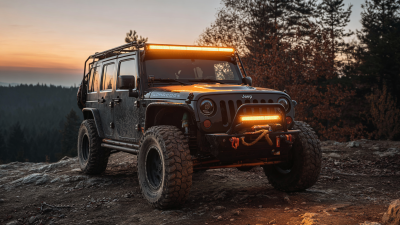
Light bars offer superior visibility compared to standard headlights. They provide a wider beam spread and greater brightness, crucial for night-time driving or off-road adventures. However, not all light bars are created equal. Choosing the right one requires careful consideration of factors such as luminosity, mounting options, and durability.
Despite advancements in technology, some consumers report inconsistency in product performance. It's essential to weigh personal needs against manufacturer claims. The right light bar can dramatically enhance driving experiences, but the choices available can be overwhelming. Exploring the best options in 2026 will ensure that vehicle owners invest wisely in this critical accessory.
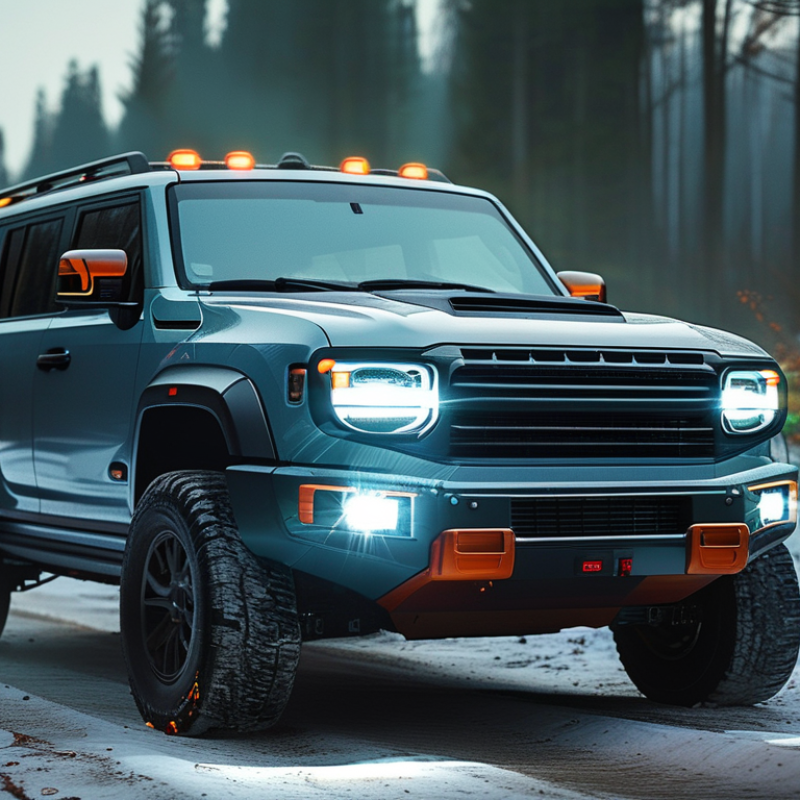
Top Considerations When Choosing a Light Bar for Your Vehicle
When selecting a light bar for your vehicle, several key factors should be considered. Light intensity, measured in lumens, is crucial. A recent industry report showed that optimal brightness ranges from 2,000 to 10,000 lumens for off-road and general use. Higher lumens provide better visibility, but may consume more power. Balance is essential.
Beam patterns are another vital aspect. Different patterns serve different purposes. For example, flood beams illuminate a broad area, while spot beams focus on distance. Many users overlook their driving needs, leading to less effective choices. Reports suggest that mixing beam types often enhances overall visibility, making this a worthwhile consideration.
Durability is also significant. Look for light bars with weatherproof ratings like IP67. This ensures they withstand harsh conditions. Many products fail due to poor construction. Long-term investment can save replacement costs. Yet, many buyers underestimate the importance of quality materials. Research indicates that a robust light bar can last up to five years or more with proper care.
Types of Light Bars: LED vs. Halogen vs. Xenon Explained
When choosing light bars for your vehicle, it's essential to understand the differences between LED, halogen, and xenon options. Each type has unique characteristics that affect visibility and efficiency. LED light bars are popular for their energy efficiency and long lifespan. They produce bright, white light and use less power than other types. Many off-road enthusiasts prefer them for their durability and low heat emission.
Halogen light bars are another option. They are generally less expensive but have a shorter lifespan. Halogen bulbs emit a warm light, which some users find appealing. However, they consume more energy than LEDs, which can be a drawback for those seeking efficiency.
Xenon lights offer a bright, intense glow, enhancing visibility during nighttime driving. They provide a unique color temperature compared to halogen and LED. Installation can sometimes be complex, requiring specific wiring. Reflect on your needs before making a choice. Each type of light bar has trade-offs in cost, brightness, and energy use. Understanding these details will help you select the best fit for your vehicle.
How to Properly Install a Light Bar on Your Vehicle
Installing a light bar on your vehicle can enhance visibility and improve safety.
To achieve the best results, start by selecting the right light bar based on your vehicle's requirements.
Consider the wattage and the specific purpose for which you plan to use the lights.
This step is crucial and should not be rushed.
Next, you need to choose an appropriate mounting location.
Generally, the light bar is either mounted on the roof or the front bumper.
Ensure there are no obstructions that could hinder the light's effectiveness.
When drilling holes for mounting brackets, take your time.
One wrong move can lead to long-term damage.
Use a level to ensure proper alignment before securing the bolts.
Wiring can often be a daunting task, but it doesn’t have to be.
Follow the manufacturer’s guidelines for wiring connections.
A common mistake is misplacing the wires, which can cause electrical issues.
Be patient; reviewing your work before sealing connections is wise.
Test the light bar before finalizing everything.
This step can save you from regrets later on.
Emphasize safety and make sure all components are securely fastened.
A well-installed light bar not only looks great but also serves its purpose effectively.
Legal Regulations Surrounding Vehicle Light Bars in 2026
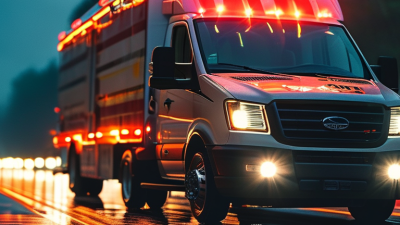
As vehicle lighting technology evolves, regulations are increasingly important. In 2026, laws governing light bars remain tight. The focus is on safety and reducing light pollution. Many regions are enforcing stricter standards for brightness and color. For instance, blue lights, often reserved for emergency vehicles, are commonly illegal for personal use.
Data from the Transportation Research Board reveals that improper light usage contributes to nearly 15% of nighttime accidents. Bright, non-compliant light bars can blind oncoming drivers, leading to dangerous situations. Local regulations vary; some jurisdictions limit the mounting height and projection distance of light bars. Knowing these rules is crucial for vehicle owners.
Compliance can enhance both visibility and aesthetics, but not all light bars meet legal standards. Research shows that about 30% of light bar users may not adhere to local laws. This gap presents an opportunity for education within the automotive community. Vehicle owners must understand their local legislation or risk fines and equipment removal. Safety should always be the priority, not just the style.
Best Brands and Models of Light Bars to Consider in 2026
When selecting light bars for vehicles in 2026, considering various brands and models is crucial. The landscape is ever-evolving, with new technologies enhancing performance. Look for options that prioritize energy efficiency and durability. Many manufacturers are now emphasizing LED technology, which offers brighter illumination and longer lifespans.
Different models cater to specific needs. Some are designed for off-road adventures, featuring shock resistance. Others target urban environments, focusing on sleek designs and integration with modern vehicle aesthetics. Assessing your primary use case will guide you towards the most suitable choice.
While exploring brands, pay attention to customer reviews and reputation in the market. Reliability can greatly vary, making it essential to research thoroughly. Aim for options that provide warranties, indicating the manufacturer’s confidence in their product. Balancing features with price is also a challenge; higher cost does not always guarantee superior quality. It's worth reflecting on your priorities to find the perfect light bar that meets your needs without overextending your budget.