Choosing among China’s top Car Flood Lights manufacturers requires more than comparing prices or headline lumen figures. Buyers should examine beam shape, thermal control, housing materials, sealing, warranty terms, and the quality of test documentation. A lamp can look powerful in a product photo and still leave dark patches across a wet road. Details matter.
Automotive lighting consultant Daniel Stern is a recognized voice in vehicle-lighting analysis. A useful buyer-focused principle, consistent with his work, is: “Judge the beam on the road, not by the number on the box.” This is a paraphrase, not a verified direct quotation. It captures a practical point: output claims mean little without controlled, usable illumination.
This guide introduces ten Chinese manufacturers for global buyers and considers their product range, production capabilities, customization options, and export support. It also highlights questions worth asking before requesting samples, such as how beam performance is measured and whether specifications apply to the exact model being quoted. Ask for clear evidence. Compare like with like. A supplier’s catalog is not a road test, and a polished website cannot replace independent evaluation. That distinction is easy to miss.
The aim is not to treat any ranking as final. Supplier capabilities change, and published information may be incomplete. Use the list as a starting point, then verify current specifications, sample quality, and service commitments directly with each manufacturer.
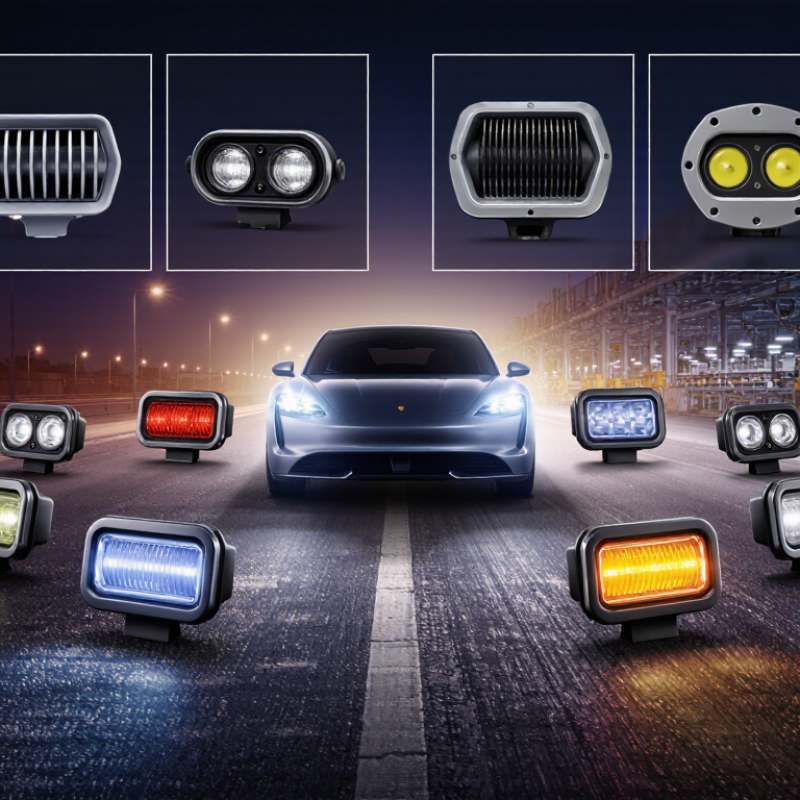
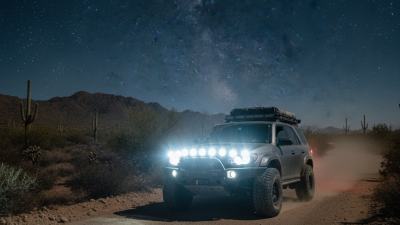
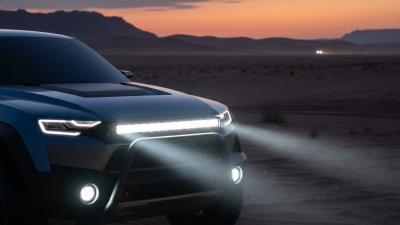
Car flood lights are auxiliary lamps designed to spread light across a wide area rather than project a narrow beam far ahead. Their broad pattern can reveal nearby ground, tools, and obstacles beside a vehicle. This makes them useful on farms, construction sites, campsites, and unpaved tracks. They do not replace the vehicle’s main headlights.
Not the same job.
A flood beam is shaped by its reflector or lens, and its performance depends on more than advertised brightness. Mounting height and angle affect glare, shadows, and coverage. For example, a lamp mounted high on a roof rack may illuminate a work area well, but can reflect light from dust or rain toward the driver.
That detail is easy to overlook.
Buyers should also check power requirements, heat management, housing durability, and the maker’s stated water and dust protection rating.
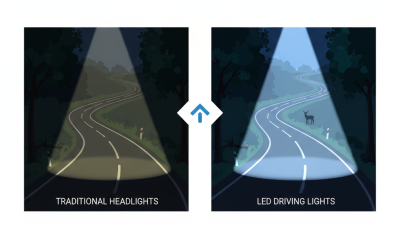
Before choosing a light, consider where it will be used and how it will be mounted. A wide beam suits close-range tasks, while a mixed beam may offer more distance. “Brighter” is not always better; excessive glare can make details harder to see. Installation quality matters too, since loose wiring or poor aiming can undermine a capable lamp. Road use may be subject to local lighting requirements, so intended use should be clear.
China’s car flood light industry serves global buyers through a broad manufacturing base, practical engineering, and export experience. Factories commonly support housing design, lens selection, wiring options, and packaging changes for different vehicle platforms. Buyers can compare beam patterns, color temperature, ingress protection, vibration resistance, and thermal performance. A sample should be tested on the intended vehicle, not only under showroom lighting. Small details matter. A bracket may shift the beam, while a sealed connector can simplify installation.
Tips: Request photometric data and test reports for the exact model. Confirm voltage range, cable length, mounting dimensions, and warranty terms in writing. Ask how production batches are checked. A neat sample is useful, but consistency across hundreds of units matters more.
Many suppliers offer prototypes, customization, and coordinated shipping, helping distributors manage varied orders. Clear drawings and measurable acceptance criteria reduce misunderstandings. Remote communication can be efficient, though time zones and translation may slow technical discussions. It can also miss small assembly flaws. Buyers should review lead times, spare-part availability, and packaging strength before placing large orders. A carton that survives a warehouse may still need better corner protection for long-distance transport. No supplier can remove every risk; careful sampling and inspection remain part of responsible sourcing.
A practical comparison framework for evaluating car flood lights and supplier capabilities. Specifications vary by product and must be confirmed against the individual model’s datasheet and test documents.
| No. | Buyer Evaluation Dimension | Relevant Product Data | What Global Buyers Should Verify |
|---|---|---|---|
| 1 | Electrical compatibility | Many vehicle lighting products are designed for 12 V or 24 V DC systems. | Confirm the lamp’s rated input range, polarity protection, wiring, and compatibility with the target vehicle. |
| 2 | Beam pattern | Flood beams provide broad illumination; spot beams concentrate light farther ahead; combination patterns blend the two. | Review beam-distribution diagrams or photometric test data for the intended work or driving application. |
| 3 | Light-output information | Datasheets may state lumen output, power consumption, and beam intensity. | Check whether lumen figures are measured or theoretical; compare beam pattern and intensity as well as headline lumen values. |
| 4 | Ingress protection | IP ratings describe protection against dust and water under specified test conditions. IP67 includes dust-tight protection and temporary immersion testing; IP68 conditions are specified by the manufacturer. | Request the rating and supporting test documentation for the exact model, including any stated immersion conditions. |
| 5 | Electromagnetic compatibility | LED drivers and vehicle electrical systems can produce or be affected by electromagnetic interference. | Confirm the required EMC tests and market-specific approvals for the product and intended vehicle use. |
| 6 | Thermal management | LED performance and service life are affected by operating temperature and heat dissipation. | Ask for operating-temperature limits and details of thermal protection or test procedures. |
| 7 | Materials and construction | Housing, lens, seals, and fasteners influence durability and resistance to environmental exposure. | Request material specifications and inspect samples for finish, sealing, corrosion resistance, and assembly quality. |
| 8 | Mounting and fitment | Mounting options and dimensions differ across lamp designs and vehicle installations. | Check drawings, bracket dimensions, adjustment range, cable exit, and clearance before ordering. |
| 9 | Customization and production control | Available options may include beam pattern, housing, connector, cable length, packaging, or private-label artwork. | Confirm minimum order quantities, sample approval, change-control procedures, and inspection criteria in writing. |
| 10 | Export and after-sales readiness | International orders may require market-specific documentation, labeling, packaging, and warranty arrangements. | Agree on required documents, destination-market compliance, spare parts, defect handling, lead time, and warranty terms before purchase. |
When comparing Chinese car flood light manufacturers, start with the beam, not the advertised wattage. A broad, even spread can help on work roads, while bright hotspots may leave darker edges. Request a beam-pattern image or measured photometric report, and check the test distance and setup. Small details matter. Ask whether housing temperatures are checked after extended operation, not only during a brief bench test. Look for sealed connectors, consistent gasket placement, and documented vibration checks. These details can indicate whether a design is suited to rough use.
Materials and production controls deserve equal attention. Ask how aluminum housings, lens coatings, wiring, and fasteners are inspected across batches. A sample that performs well is useful, but it does not prove every shipment will match. Request inspection records, batch identification, and a clear process for handling defects. It sounds basic. Test sample lights on the intended vehicle, noting beam spread, mounting stability, and connector access. Specifications can be difficult to compare without shared test conditions, so ask how each figure was measured. Clear answers matter, though fast replies alone do not prove quality. Check whether drawings, test methods, and production changes are explained in plain language.
Evaluation Criterion: IEC 60529 Water-Jet Test Flow Rates
IEC 60529 specifies a water flow rate of 12.5 L/min for the IPX5 jet test and 100 L/min for the IPX6 jet test. These are test conditions, not manufacturer ratings. When evaluating suppliers, ask for valid test reports for the exact light model and confirm that the reported protection level suits its intended installation.
China’s car flood-light sector includes manufacturers with different production strengths. These ten profiles are capability-based snapshots, not verified company rankings. Buyers should confirm factory records, samples, and test documents before placing an order.
One manufacturer may focus on die-cast housings, with attention to seals and mounting points. Another may specialize in reflector design, shaping beam spread for work areas rather than road use. A third may assemble complete lamp units, including wiring and brackets. A fourth may offer reinforced mounts for vehicles exposed to vibration. A compact-light maker can suit buyers with limited installation space. Small details matter.
Some factories emphasize heat management, using finned housings to reduce heat buildup around LEDs. Others support custom labels and packaging, but minimum order quantities can vary. A testing-focused supplier may provide water-resistance and vibration reports; check that the documents match the exact model. One export-oriented manufacturer may help coordinate cartons and shipping paperwork. Another may adapt connectors or cable lengths for a buyer’s specification. A polished catalog is not proof. Request a sample, inspect its beam pattern in a dark area, and compare the quoted materials with the delivered unit.
Global buyers comparing car flood light manufacturers should look beyond catalog brightness claims. Ask suppliers for measured beam patterns, power draw, operating temperature, and ingress-protection test reports. Paperwork matters. Check whether the report identifies the exact model and configuration you plan to purchase, not merely a similar product.
Assess manufacturing consistency as well as product performance. Request sample units and inspect housing seals, cable connections, mounting hardware, and lens clarity. Test the lights on a vehicle or a representative fixture, including after exposure to vibration and water spray. Test the sample. A useful comparison also covers production lead times, minimum order quantities, warranty terms, and how defects are handled. Low pricing can hide costly differences in materials or quality control.
Compliance requirements vary by destination market and by vehicle application. Ask suppliers which applicable standards their products have been evaluated against, and verify certificates or reports with the issuing laboratory where practical. Confirm that labels, instructions, and technical files match the supplied goods. A checklist helps, but it is not perfect; even a complete document set cannot replace checking the physical product. Keep written records of specifications, approved samples, and any changes before placing repeat orders.