How to Choose the Best Auto Led Lights for Your Vehicle?
Choosing the right Auto LED Lights for your vehicle goes beyond aesthetics; it impacts safety. According to a report by the National Highway Traffic Safety Administration, improved vehicle visibility reduces crash risks by 30%. Auto LED Lights offer brighter illumination and a longer lifespan compared to traditional halogen bulbs. This means they not only enhance visibility but also require fewer replacements.
However, selecting the best option can be daunting. The market is flooded with various brands and types, each claiming to be superior. Some products may not comply with legal standards, leading to potential safety issues. It’s essential to focus on reputable brands and check for certifications. You wouldn't want to compromise your safety or that of others on the road.
Additionally, consider the installation process. Some Auto LED Lights require complicated setups or professional help. This can add to your total cost. Be aware of your vehicle's compatibility with the lights you choose. Understanding these factors can ensure a more satisfying purchase.
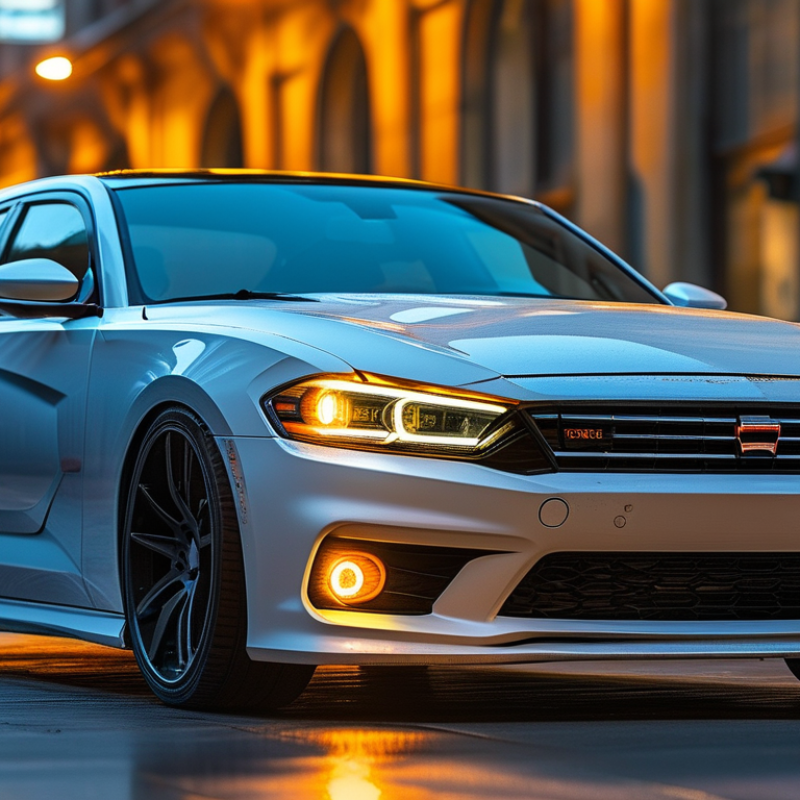
Understanding Different Types of Auto LED Lights Available in the Market
When considering auto LED lights, it's essential to understand the various types available.
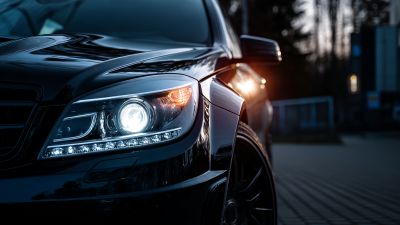
LED headlights are popular for their brightness and energy efficiency. They provide a clear, focused beam that enhances nighttime driving visibility.
However, the correct beam pattern is often overlooked. A poorly aimed beam can lead to glare for oncoming drivers.
Next, consider LED fog lights. They are designed to emit a wide, horizontal light pattern. This helps to minimize the effects of fog, rain, or snow.
Many drivers mistakenly use regular headlights in these conditions instead of fog lights. This usage can reduce visibility significantly, making fog lights crucial for safety.
Tail lights and turn signals are also key components.
LEDs offer faster illumination than traditional bulbs. This quick response can be vital in preventing rear-end collisions.
However, some users report that they expect LED lights to last forever. While they do have a longer lifespan, they can still fail or dim over time, prompting replacement considerations.
Evaluating Brightness and Color Temperature for Optimal Visibility
Choosing the right auto LED lights can significantly enhance your driving experience. When evaluating brightness, consider lumens as a critical factor. The ideal brightness for headlights typically ranges from 1,600 to 3,000 lumens, ensuring sufficient visibility at night. Research from the National Highway Traffic Safety Administration indicates that improved lighting can reduce crash rates by up to 25%.
Color temperature also plays a vital role. Measured in Kelvin (K), temperatures between 4,000K and 6,000K mimic daylight. This range improves visibility and color contrast on the road. For instance, a study from the Society of Automotive Engineers reveals that drivers report better performance with lights around 5,500K.
Tips: When selecting LED lights, prioritize options that have adjustable settings. This flexibility allows you to adapt to varying weather conditions. Regularly check your headlight alignment, as misaligned lights can reduce effectiveness. Choosing higher-quality LED bulbs can lead to better longevity and performance.
How to Choose the Best Auto Led Lights for Your Vehicle? - Evaluating Brightness and Color Temperature for Optimal Visibility
| Type of LED Light |
Brightness (Lumens) |
Color Temperature (Kelvin) |
Applications |
Lifespan (Hours) |
| Headlights |
1800 - 3000 |
5000 - 6000 |
Main driving visibility |
30,000 |
| Fog Lights |
1000 - 1500 |
3000 - 4000 |
Low visibility conditions |
20,000 |
| Tail Lights |
600 - 1200 |
4000 - 5000 |
Brake/Stop indication |
25,000 |
| Indicator Lights |
100 - 300 |
3000 - 4500 |
Turning signal indication |
15,000 |
| Interior Lights |
200 - 800 |
3000 - 5000 |
Cabin illumination |
20,000 |
Assessing Compatibility with Your Vehicle's Electrical System
When choosing auto LED lights, compatibility with your vehicle's electrical system is crucial. Most modern vehicles utilize 12-volt systems, but variations exist. Understanding your vehicle's wiring can prevent potential issues, such as blown fuses or malfunctioning lights. A study by the Automotive Association reveals that approximately 30% of electrical failures arise from mismatched components. This highlights the importance of thorough research on specific voltage and wattage requirements.
Tips: Always check the owner’s manual. It contains vital information about your car's electrical specifications. Ensure that the LED lights you choose meet or exceed factory settings to avoid performance issues.
Consider the connection type. Many vehicles operate on either a proprietary plug or standard connectors. Using the wrong adapter may lead to unreliable performance. In some cases, retrofitting an LED light can result in flickering or inconsistency. Researching forums and user experiences can provide insights into common installation challenges faced by other drivers.
Tips: Look for installation guides or videos online. Visual aids offer clarity on the process and may reveal common pitfalls.
Incompatible wiring poses risks. Overloading your electrical system can damage sensitive components, resulting in costly repairs. It's vital to recognize that the right choice today ensures safety and longevity for your vehicle.
Comparison of Different Auto LED Lights Brightness Levels
Considering Durability and Weather Resistance Features of LED Lights
When selecting LED lights for your vehicle, durability and weather resistance are crucial. A recent industry report indicates that over 30% of LED failures are due to environmental factors. Water ingress and extreme temperatures can significantly shorten the lifespan of inferior products.
It’s essential to look for lights with IP68 ratings. This rating ensures they are dust-tight and can withstand submersion in water. Such features are particularly vital in regions prone to heavy rains or snow.
Another factor is the temperature tolerance of the LED itself. High-quality LEDs can operate in extreme temperatures, ranging from -40°F to 140°F. This resilience helps maintain functionality during harsh weather. Not all products meet these standards. Some may advertise high brightness but lack the necessary durability for real-world conditions. This discrepancy can lead to premature replacements, costing time and money.
Look for products that provide detailed specifications about their weather resistance features. Research and reviews from credible sources often highlight these aspects, guiding users toward reliable choices.
Comparing Price Points and Warranty Options for Budget-Friendly Choices
When choosing auto LED lights, several factors come into play, with
price and warranty being key considerations.
The automotive lighting market projected a value of $21.88 billion by 2025 reflects a growing demand for quality
and affordability. However, budget-friendly options don't always mean a compromise on quality.
Reports show that many cheaper LED lights offer similar brightness and longevity as high-end products, making them
attractive options for cost-conscious consumers.
Warranties can provide insight into a product's durability. Many reputable manufacturers offer
five to ten-year warranties on LED lights. This indicates confidence in their product's lifespan. A reliable
warranty can save you money in the long run, especially if you consider that replacing subpar lights frequently could
lead to higher costs over time. However, some products may come with limited warranties, which can lead to frustration
if they fail prematurely.
In a market crowded with choices, being informed is essential. Users should critically assess warranty terms and
price points. Consulting reviews and industry standards may help in making an informed decision. Often, what seems like a
bargain could lead to hidden costs. Quality is paramount, and it's essential to ensure that
low price does not equal low performance. Take the time to weigh options carefully.