How to Choose the Best Automotive Led Lights for Your Vehicle?
When selecting automotive LED lights, expert insights can prove invaluable. John Miller, a renowned specialist in the automotive LED sector, emphasizes, "The right lighting can transform driving safety and aesthetics." This highlights the critical role that automotive LED lights play in enhancing both functionality and style.
Choosing the best option can feel overwhelming. The market is flooded with products, each claiming superiority. However, understanding the specific needs of your vehicle is essential. Factors like brightness, energy consumption, and color temperature should guide your decision. Many overlook how these elements affect not only visibility but also driver comfort.
It’s also important to reflect on the installation process. Some products are user-friendly, while others may require professional help. Investing in quality automotive LED lights may involve a higher upfront cost but can provide long-term benefits. Prioritize reliability and performance to ensure safety and satisfaction on the road.
Understanding the Different Types of Automotive LED Lights Available
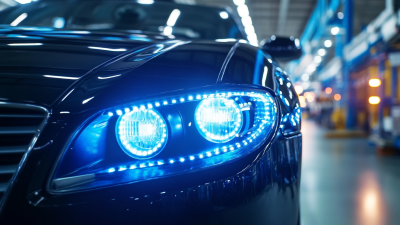
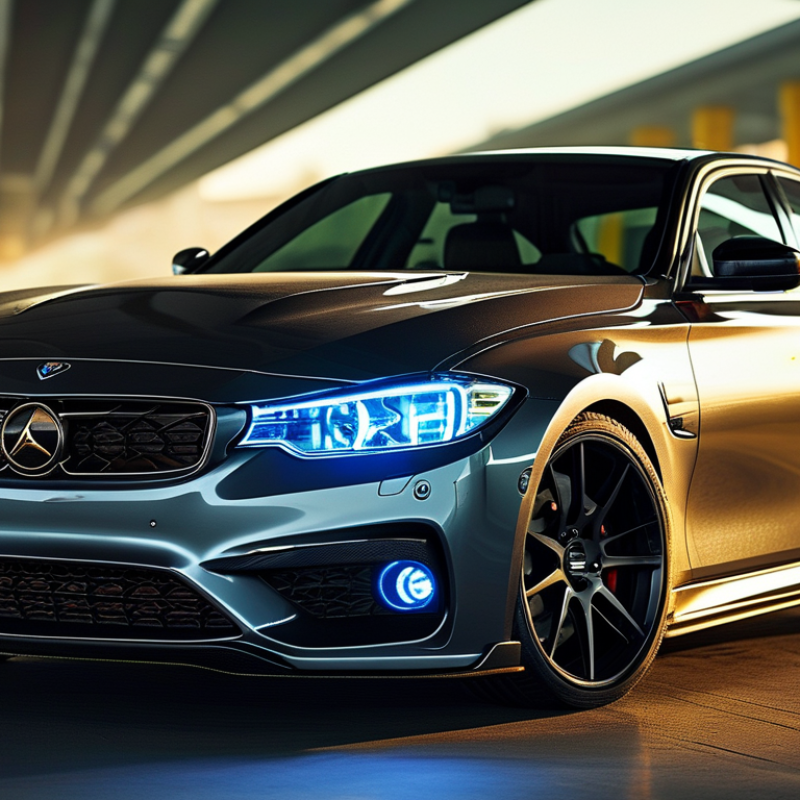
Automotive LED lights come in various types, each catering to specific needs. Headlights, for example, offer improved visibility and longevity. Studies indicate that LED headlights outlast traditional halogen lights by up to 25,000 hours. Their energy efficiency also reduces the overall burden on a vehicle's electrical system.
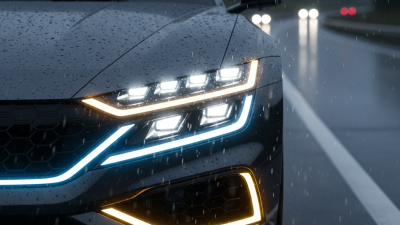
Another common type is LED tail lights, which enhance safety. They light up faster than incandescent bulbs, reducing rear-end collisions by approximately 65%, according to traffic safety reports. LED fog lights are essential for low visibility conditions. They provide a broader, more focused beam, cutting through fog, rain, or snow more effectively.
However, not every LED light is suitable for every vehicle. Compatibility issues may arise, particularly in older cars. Some users report struggles with installation, often finding that modifications are necessary. Understanding the different specifications of automotive LED lights is crucial. Drivers should check their vehicle's requirements, ensuring optimal performance.
Types of Automotive LED Lights Available
Key Factors to Consider When Choosing LED Lights for Your Vehicle
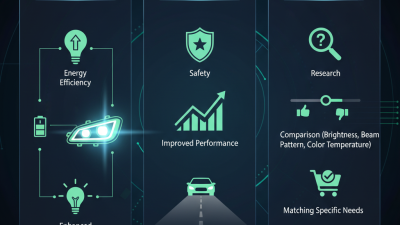
When choosing LED lights for your vehicle, several key factors matter significantly. Brightness is crucial. Look for lights with higher lumens for better clarity at night. However, it’s essential to strike a balance. High brightness can create glare and can be blinding to other drivers.
Another aspect to assess is color temperature. LED lights range from cool white to warm yellow. Choose a color that complements your vehicle and meets your preferences. A cooler temperature often offers clarity, while a warmer tone can provide a softer illumination. Durability is also vital; lights should withstand weather conditions. Check for waterproof ratings and robust build materials.
Lastly, consider installation. Some LED lights are easy to install, while others may require professional help. Evaluate your skills and the time you can commit. Ensuring proper installation enhances their performance. Reflect on these aspects carefully before making a final decision. It’s easy to overlook details, but every choice affects your vehicle's safety and aesthetics.
How to Choose the Best Automotive Led Lights for Your Vehicle? - Key Factors to Consider When Choosing LED Lights for Your Vehicle
| Key Factor |
Description |
Recommendation |
| Brightness |
Measured in lumens, brightness determines how well the light will illuminate the road. |
Choose options with 2000+ lumens for optimal visibility. |
| Color Temperature |
Describes the light color; measured in Kelvin (K). |
Select 5000K–6500K for a natural daylight effect. |
| Lifespan |
Indicates how long the LED lights will last before needing replacement. |
Look for lights with a lifespan of 30,000 hours or more. |
| Heat Dissipation |
Good heat dissipation ensures longevity and performance of the lights. |
Select lights with aluminum heatsinks or fan cooling designs. |
| Ease of Installation |
Refers to how easy it is to install the LED lights in your vehicle. |
Opt for plug-and-play models for hassle-free installation. |
| Durability and Weather Resistance |
Involves the ability to withstand harsh weather conditions. |
Choose IP67 or higher rated lights for optimal protection. |
| Compliance and Certification |
Ensures lights meet safety and performance standards. |
Check for compliance with DOT or ECE regulations. |
Evaluating Brightness, Color Temperature, and Beam Patterns
When selecting automotive LED lights, brightness plays a critical role. Measured in lumens, higher brightness levels ensure better visibility. A study by the National Highway Traffic Safety Administration indicates that proper lighting can reduce nighttime accidents by up to 50%. For most vehicles, LED bulbs should emit between 1,200 to 2,500 lumens. It's essential to balance brightness with aesthetic appeal, as overly bright lights can cause glare for other drivers.
Color temperature affects both performance and appearance. Measured in Kelvin (K), a color temperature of 3000K to 6000K is ideal for automotive applications. Lower temperatures appear warmer and more yellow, while higher temperatures are cooler and bluish. Research shows that a 5000K light is optimal for clarity and contrast. However, drivers may prefer cooler tones for a modern look, leading to subjective choices.
Beam patterns are crucial for effective lighting. An ideal LED beam should offer a wide spread without losing focus. According to industry standards, a good beam pattern prevents "hot spots" or dark areas. Testing different patterns is often necessary, as vehicles may have unique requirements. Reflecting on these aspects helps drivers make informed decisions for safety and style.
Assessing Compatibility with Your Vehicle's Electrical System
When selecting LED lights for your vehicle, compatibility with the electrical system is vital. Different vehicles have unique electrical configurations that affect how LED lights operate. For instance, many modern cars use canbus systems that prevent flickering with regular bulbs. However, these systems may not recognize LED lights, leading to errors in operation. According to a report by the Society of Automotive Engineers, over 30% of vehicle owners encounter issues when installing non-compatible lights.
Before purchasing, check your vehicle’s specifications. Examine the voltage ratings of your electrical system to ensure they match with LED requirements. For most vehicles, a 12V rating is standard, but it’s essential to verify this. LED lights often consume less power, making them an efficient choice. However, if the lights draw too much or too little current, it can affect performance.
Tips: Always consult your vehicle's manual for specific instructions. Investing in a canbus decoder could resolve flickering issues. Pay attention to your vehicle's warranty; improper installations might void it. Remember, while LED lights can enhance visibility and appearance, ensuring compatibility is paramount for safety and efficiency.
Important Tips for Installation and Maintenance of LED Lights
When installing LED lights in your vehicle, preparation is key. Start by gathering all necessary tools. You will need a screwdriver, wire strippers, and electrical tape. Read the installation instructions carefully. Each vehicle can have different setups and requirements. Misunderstanding these can lead to errors.
Ensure you have a reliable power source. LEDs need a solid connection for optimal performance. Double-check your wiring. A loose connection can lead to flickering lights or complete failure. It’s also important to avoid overloading the circuit. This can damage both your lights and the vehicle's electrical system.
After installation, regular maintenance is crucial. Inspect your LED lights periodically for signs of wear or loose connections. Clean the lenses with a soft cloth to keep them clear. This helps maintain brightness and visibility. If you notice any issues, address them quickly. Ignoring small problems can lead to costly repairs later on. Taking care of your LED lights ensures they enhance your vehicle safely and effectively.