How to Choose Spot Lights for Car in 2026?
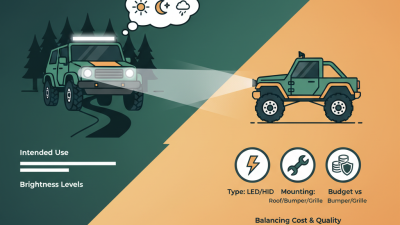
Choosing Spot Lights For Car in 2026 requires more than chasing the highest lumen number. A powerful beam can look impressive on a dark road, yet poor optics may create glare, uneven coverage, and eye fatigue. The right light should match your driving environment, vehicle height, mounting position, and electrical capacity. It should also complement your existing headlights rather than compete with them.
Daniel Stern, an automotive-lighting consultant known for his technical work on vehicle illumination, offers a useful principle: “More light is not always better; better-controlled light is better.” That idea deserves attention. A narrow driving beam can help on open highways, while a wider flood pattern may suit rural tracks or work areas. Color temperature matters too. Very cool white light can appear crisp, but warmer tones may provide better comfort in rain, dust, or mist.
Look closely at beam shape.
Check the lens quality. Inspect the housing seal. A reliable buyer should verify independent testing, heat management, warranty support, and installation instructions. Product descriptions often exaggerate performance. I have seen bright lamps with disappointing reach because their reflectors scatter light instead of directing it.
This guide will compare beam patterns, wattage, LED efficiency, mounting options, weather resistance, and road-use considerations. It will also address an uncomfortable point: the most expensive Spot Lights For Car may still be the wrong choice. Safe aiming and responsible use matter as much as raw output. Local regulations can differ, so confirm approved equipment and installation requirements before driving on public roads.
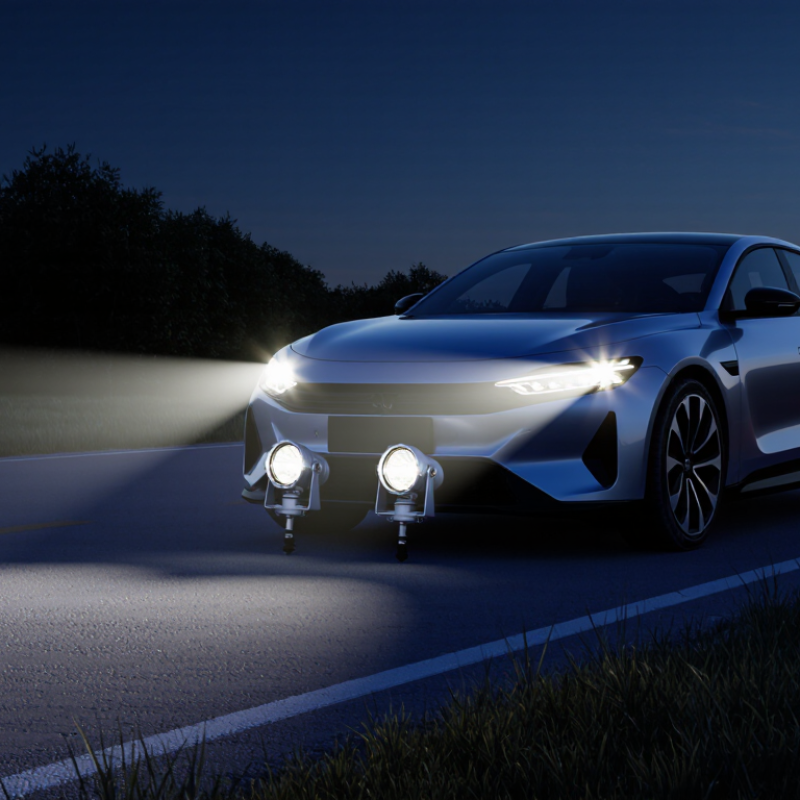
Define Car Spot Light Types and Beam Roles Under SAE J581 Standards
Choosing a car spot light in 2026 starts with its beam role, not its advertised lumen number.
SAE J581 addresses auxiliary high-beam lamps and evaluates photometric performance, aiming, and installation conditions. It does not classify every product sold as a “spot light.” That distinction matters.
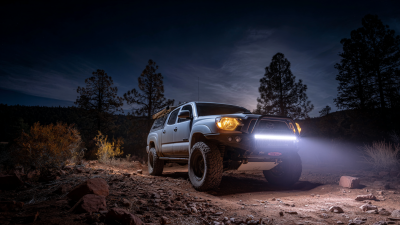
A pencil beam
concentrates light into a narrow, distant pattern. It suits open highways and long sight lines.
A driving beam
spreads farther and wider, supporting normal high-beam visibility.
A flood beam
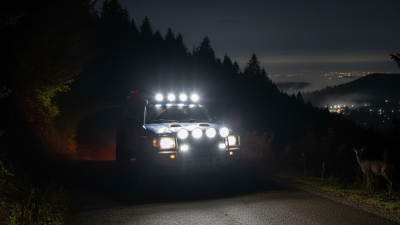
covers roadside edges, work areas, or slow off-road movement. Use it carefully. Glare remains a real risk.
SAE J581 focuses on useful candela distribution, not decorative brightness.
NHTSA’s Traffic Safety Facts reports that nearly half of U.S. traffic deaths occur at night, although only about one-quarter of travel happens then. Better reach can help, but poor aiming can hurt other drivers. Check the lamp’s test data, mounting height, beam cutoff, and adjustment range. “More lumens” is an incomplete answer.
For practical selection, match the beam to driving speed and road geometry.
A narrow spot beam may leave dark shoulders. A wide beam may lose useful distance. Installation alignment should be checked on level ground, with the vehicle loaded as normally driven. That step is often skipped. It should not be. Consult SAE J581 and applicable lighting rules before installation; standard compliance depends on the complete lamp and vehicle setup, not the housing alone.
Match Beam Distance and Candela to Driving Speed and Road Conditions
How to Choose Spot Lights for Car in 2026?
Beam distance and candela should match your driving speed, not just look impressive on a specification sheet. Beam distance shows how far useful light reaches, while candela measures peak intensity in a specific direction. High candela can create a long, narrow beam. It may work well on dark rural roads. However, it can leave the road edges poorly lit. Manufacturer distance claims also vary with testing methods. Treat them as estimates, not guarantees.
At 40 km/h, a 1.5-second reaction time uses about 17 metres. At 80 km/h, that distance rises to roughly 33 metres. Your lights should reveal hazards beyond your stopping distance. For slow trail driving, a wider beam can expose animals, bends, and loose gravel. For faster open-road travel, greater reach becomes more valuable. The best choice is rarely the brightest option.
Road conditions change the decision. On dry, straight roads, a focused spot beam can improve distance vision. Rain, dust, and fog scatter intense light back toward the driver. A softer or wider beam may then provide better control. Mounting height and aiming matter just as much as candela. Keep the beam below other drivers’ eye level and check alignment after installation. In practical testing, a light can seem powerful in a driveway but feel disappointing on a wet road. That mismatch deserves honest review. Recheck your speed, stopping distance, and beam pattern before relying on the light at night.
Choose LED Output, Color Temperature, and ECE R112 Compliance
How to Choose Spot Lights for Car in 2026?
Choosing car spot lights starts with usable LED output, not the highest advertised lumen number. In real driving, a narrow beam can illuminate a distant sign while leaving the road edges dark. Check measured candela, beam distance, and cutoff quality. A good lamp should provide steady brightness without excessive glare for oncoming drivers. During testing, aim the lights on a quiet road and inspect the beam at 50 and 100 meters. Heat matters too. Poor thermal control can reduce output after several minutes.
Color temperature changes what your eyes can recognize. Around 5,000–6,000K usually gives a clean white beam with balanced contrast. Very blue light may look powerful, but it can reflect strongly from rain, dust, or fog. Warmer light can be more comfortable in poor weather, though it may appear less sharp. My own preference is not always the best choice. Test the lamp in conditions you actually drive through.
For road use, examine ECE R112 approval carefully. The housing should carry the required approval marking, and the seller should provide clear photometric documentation. Do not rely on phrases such as “ECE ready” without verifiable evidence. R112 concerns approved headlamp performance, but the correct regulation can depend on the lamp’s function and installation. Confirm mounting height, switching requirements, and local vehicle rules before fitting. A bright lamp can still be unsuitable.
That detail is easy to miss.
Calculate Electrical Load Using 12V/24V Ratings and Automotive Fuse Rules
Choosing car spot lights in 2026 starts with electrical load, not appearance. Check each light’s wattage and system voltage. Use this formula: current equals watts divided by volts. A 100-watt light draws about 8.3 amps on a 12V system. The same light draws about 4.2 amps on 24V. Two 100-watt lights therefore require about 16.6 amps at 12V, before startup demand. That difference matters.
Allow extra capacity for continuous use, wiring loss, and brief inrush current. A practical fuse estimate is often 125% to 150% of the calculated operating current. However, the fuse must never exceed the safe capacity of the wire. I fit the fuse close to the battery, then use a relay and properly rated cable for higher loads. The vehicle manual and applicable electrical standards should guide the final choice.
Measure voltage at the lights with the engine running. A low reading can reveal thin cable, weak connections, or a poor ground. Use weather-resistant terminals, especially near the grille. Do not replace a blown fuse with a larger one. That can overheat the harness before the fuse reacts. My first estimate was once too optimistic because I ignored the relay and cable length. Real testing corrected it. Keep spare fuses of the correct type, but check the circuit before replacing one repeatedly. Short circuits are not always obvious.