When it comes to choosing LED car lights, making the right decision can significantly impact your driving experience. As automotive lighting expert, John Smith, once said, "The right LED lights can enhance visibility and safety on the road." LED lights have become popular for their durability and energy efficiency. However, the choices can be overwhelming.
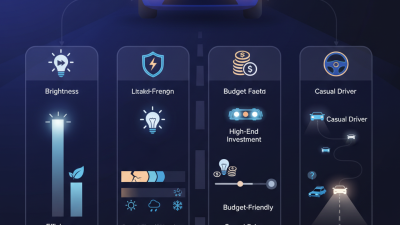
Selecting the best LED car lights involves understanding various factors. You should consider brightness, color temperature, and compatibility with your vehicle. Not all LED lights are created equal. Some products may promise great performance but fail to deliver. A proper selection process requires careful thought.
It's easy to overlook the finer details. For instance, many drivers ignore how the angle of installation affects light distribution. A poor choice can lead to blinding oncoming traffic, which is a real concern. Remember that while LED lights excel in efficiency, not every option on the market is reliable. Always research customer reviews and verify the brand’s reputation.
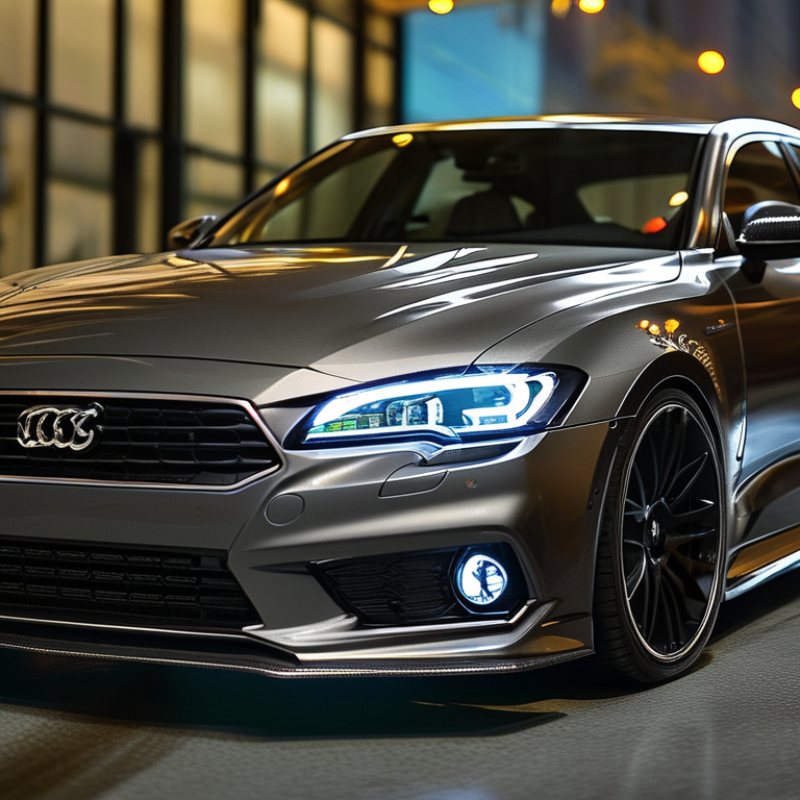
When selecting LED car lights, understanding the different types available is essential. There are several categories, including headlights, taillights, and interior lights. Each serves a different function and offers unique benefits. For example, headlights illuminate the road ahead, while taillights signal your presence to others. Interior lights enhance visibility inside your vehicle.
Various LED technologies exist too. Some LED lights emit a cooler blue hue, while others provide a warmer yellow tone. The brightness level can also vary between products. Brightness is often measured in lumens, with higher numbers indicating more light output. However, brighter lights can sometimes cause glare. Consider this factor when choosing.
Not all LED lights are the same quality. It's important to research and read reviews. Some lights might flicker or fail unexpectedly. Durability and heat resistance are crucial for long-term use. It’s vital to weigh these aspects against your needs. Choosing the right LED lights involves more than just aesthetics; it requires careful consideration of functionality and safety.
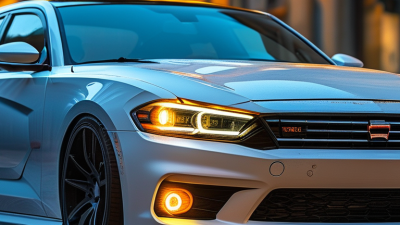
Choosing the right LED car lights can significantly enhance your vehicle’s safety and aesthetics. First, consider brightness. The best LED lights produce at least 3,000 lumens, ensuring visibility during dark conditions. A brighter light can make a crucial difference on the road. However, excessive glare can be problematic for other drivers.
Another important factor is color temperature. It is measured in Kelvin (K). A range of 5,000 to 6,500K provides a clear white light that mimics daylight. This improves visibility and reduces eye strain. Data from the National Highway Traffic Safety Administration indicates that well-lit areas result in a 50% reduction in nighttime accidents.
When looking for LED lights, pay attention to their lifespan. Quality LED lights can last up to 30,000 hours or more. This durability offers a long-term solution, reducing the need for replacements. Always check for certifications. Products that have passed rigorous testing are more reliable. Choosing certified options can prevent unexpected failures. Regularly revisiting these factors can ensure your vehicle remains safe and visually appealing on the road.
Choosing LED car lights requires careful consideration of brightness and color temperature. Brightness is typically measured in lumens. Higher lumens mean more light. However, excessive brightness can lead to glare. This may distract other drivers. It’s crucial to find a balance that ensures your safety without causing issues for others on the road.
Color temperature is equally significant. It is measured in Kelvin (K). A temperature around 3000K gives a warm yellowish light. This resembles traditional halogen bulbs. A cooler temperature, like 6000K, produces a bright white light, which can enhance visibility. However, light that is too blue can be harsh. It can sometimes hinder your ability to see details clearly. Understand the environment you drive in. If you frequently drive at night or in fog, consider how color affects visibility.
Evaluate your choices based on both brightness and color temperature. Test different options if possible. Some LED lights may look great but underperform. Reflect on your driving conditions. What works for one vehicle might not be ideal for another. Take time to make a thoughtful choice that enhances your driving experience.
When selecting LED car lights, assessing compatibility with your vehicle's electrical system is crucial. The right lights should match the voltage and wattage specifications of your car. This ensures optimal performance and prevents electrical issues that could damage your vehicle. Check your owner’s manual for details on the electric system. Overloading circuits can lead to blown fuses or even fires.
Consider the type of connector used by your current lights. Many vehicles have specific connector types. Ensure your new LEDs fit seamlessly into these connections. This can save time and prevent frustration during installation. You might need adapters for certain models, which could complicate the process.
It's also wise to verify the heat dissipation of the LED lights. Poor heat management can shorten their lifespan. Some cheaper LEDs may lack efficient cooling. Invest in quality products that provide better longevity. This choice often impacts overall satisfaction. Remember, not every LED is suitable for every vehicle. It’s essential to do thorough research before making a decision.
Installing LED car lights requires attention to detail. Start by ensuring your vehicle is powered off. This helps in preventing any electrical mishaps. Make sure to use gloves to avoid oils from your fingers touching the bulbs. Over time, this can lead to failure or dimming.
Proper placement of LED lights is critical. Placement can affect brightness and visibility. Aim for areas that allow the light to shine without obstruction. It's wise to consult your vehicle's manual for specific recommendations on positioning. Also, remember that LED lights can generate heat. Ensure ventilation is adequate to avoid overheating.
Maintenance is essential to prolong the lifespan of your LED lights. Regularly check for any signs of wear or damage. Dust buildup can also diminish brightness. A quick clean with a microfiber cloth can keep them shining bright. However, be cautious with cleaning materials, as some may scratch or harm the finish. Evaluating your lights every few months helps in identifying issues early before they become problematic.
| Tip Number | Tip Description | Installation Tips | Maintenance Tips |
|---|---|---|---|
| 1 | Choose the right brightness (measured in lumens). | Ensure proper wiring connections. | Regularly clean the light lenses. |
| 2 | Select an appropriate color temperature (measured in Kelvin). | Use a relay to avoid overheating. | Check for moisture buildup regularly. |
| 3 | Consider the type of LED (SMD vs. COB). | Follow the installation guide carefully. | Use a gentle cleaner for maintenance. |
| 4 | Check for compatibility with vehicle make and model. | Make sure to disconnect the battery before installation. | Replace any burnt-out LEDs promptly. |
| 5 | Research the lifespan of the LED lights. | Utilize heat sinks for better heat dissipation. | Inspect wiring for damage or wear. |
| 6 | Look for energy efficiency ratings. | Label wires for easier troubleshooting. | Store lights in a dry, cool place when not in use. |
| 7 | Consider the beam pattern for visibility. | Align lights properly after installation. | Check connections periodically. |
| 8 | Evaluate the light's housing material. | Wear gloves to avoid damage during installation. | Avoid high-pressure washing on lights. |
| 9 | Consult reviews for user experiences. | Use silicone sealant on connections to prevent water damage. | Keep lights free of dirt and debris. |
| 10 | Purchase from reputable dealers. | Test lights before full installation. | Follow manufacturer instructions for longevity. |